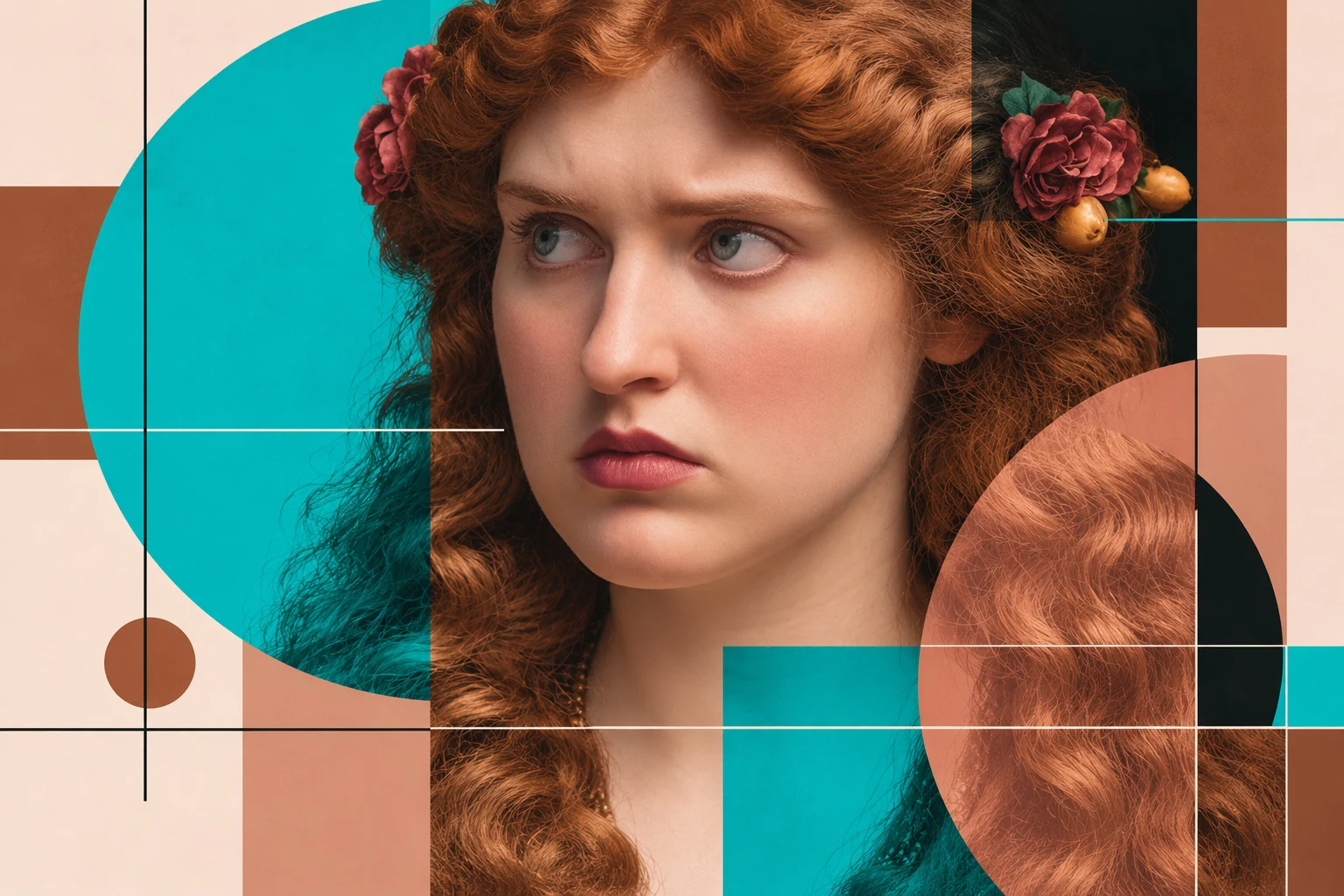
What did Helen of Troy look like? Ancient descriptions and AI images
Helen of Troy’s face famously launched a thousand ships, but her features are harder to pin down. Storytellers and artists have imagined her for centuries without leaving a definitive portrait.
Were the Greek gods evil? Cruelty and morality in myth
Hades abducts Persephone, Ares revels in bloodshed, and Hera pursues Zeus’s lovers and their children. It is easy to see why readers ask whether the Greek gods are evil.
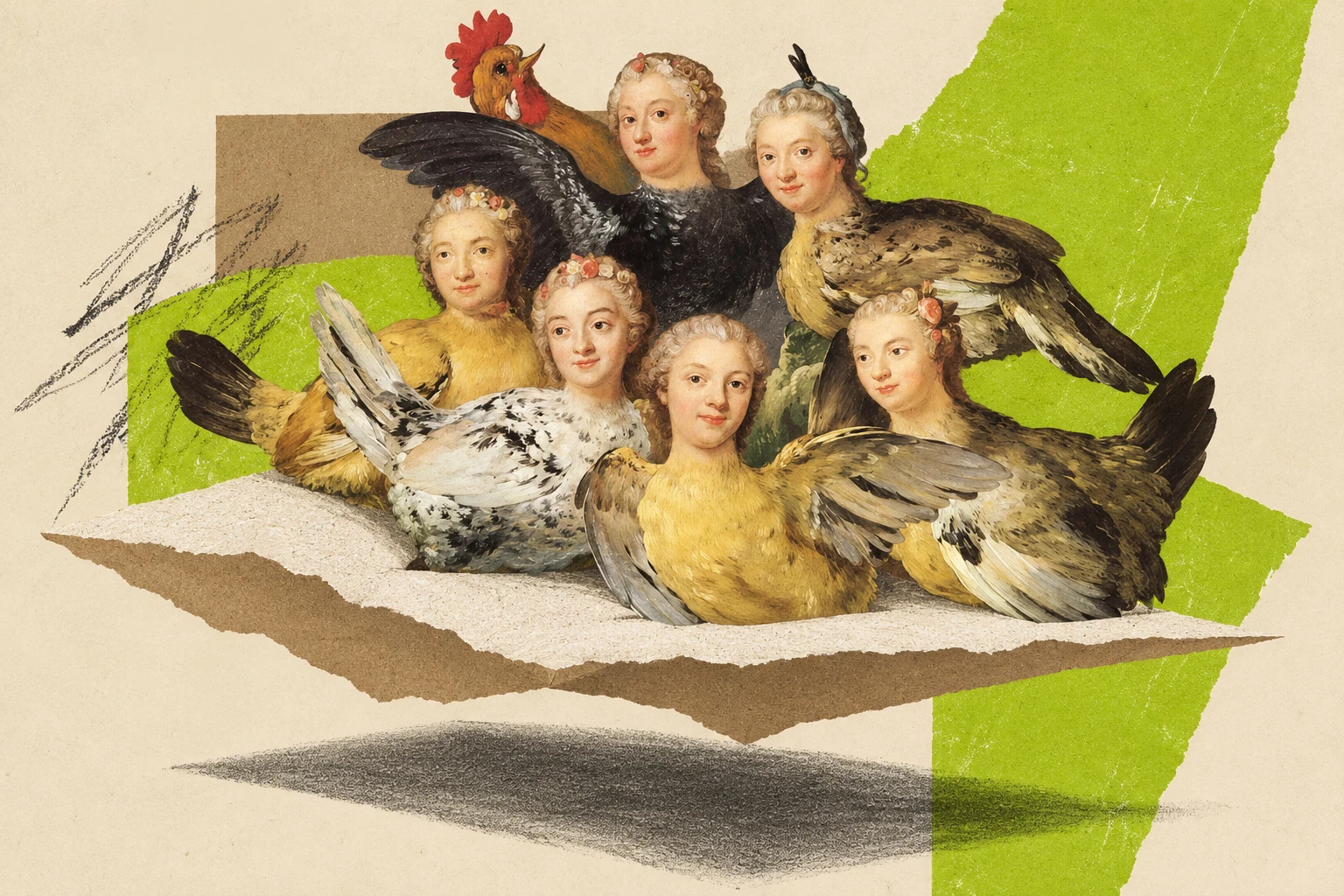
Sirens vs harpies: Songs, wings and different myths
Sirens and harpies both combine human and bird features, which makes them easy to confuse. In Greek mythology, though, they have different origins, roles and stories.
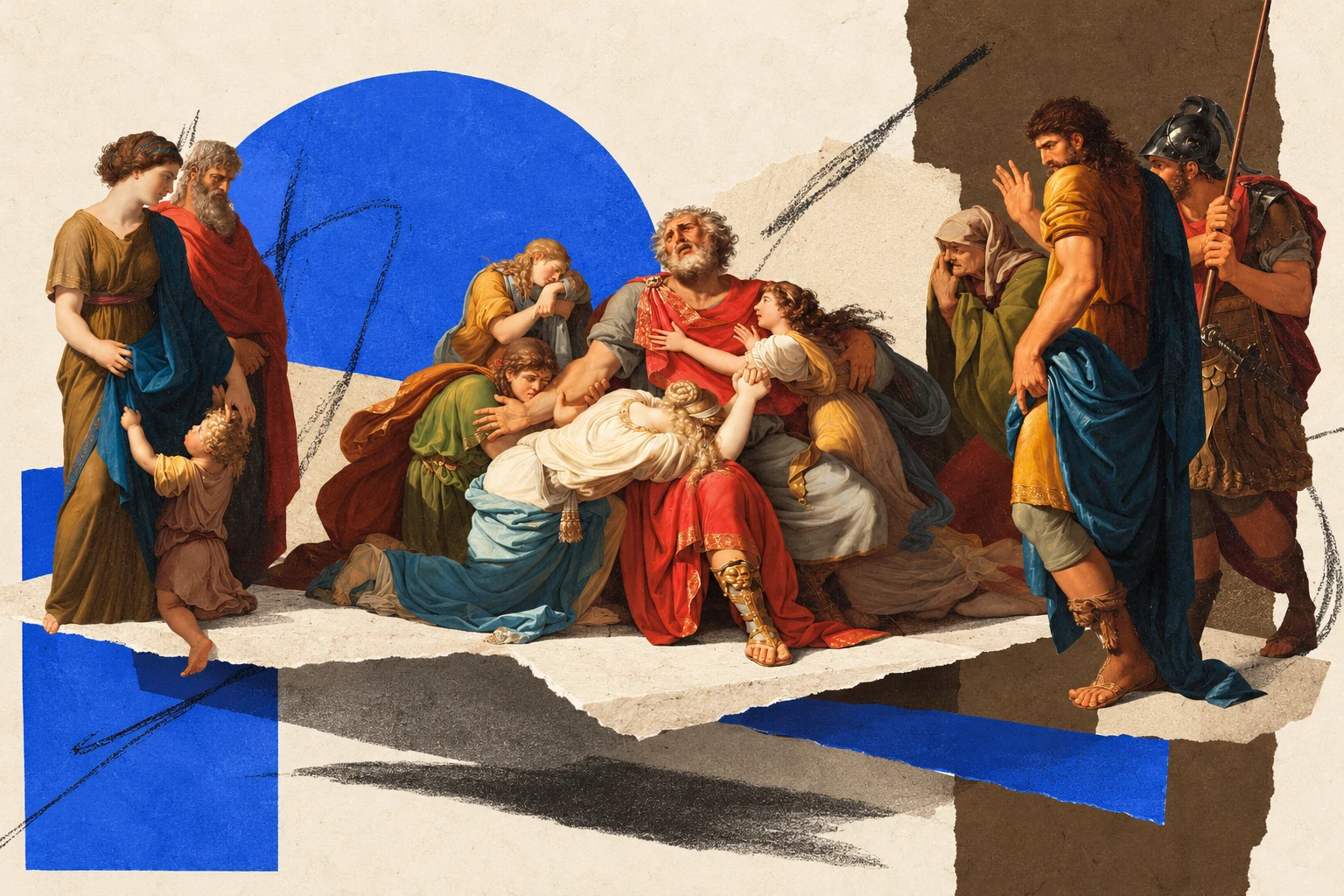
Oedipus family tree: Untangling the family of Thebes
Oedipus’s family tree is inseparable from the prophecy that shapes his life. It connects parents, children and a marriage with tragic consequences.
Rome vs Sparta: Could a phalanx stop the legions?
Rome and Sparta both built formidable military reputations. But how would their armies have fared against each other at their strongest?
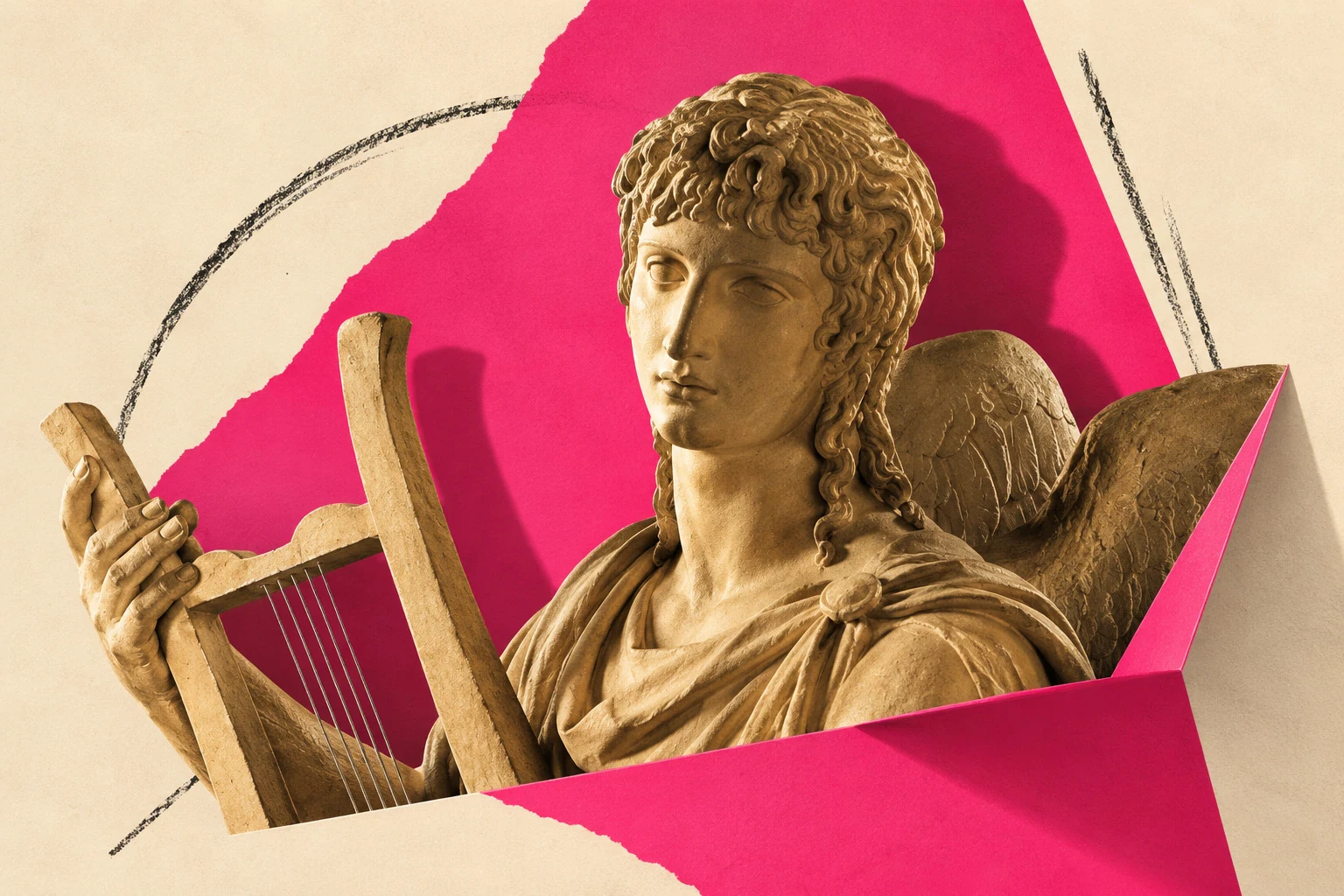
Greek gods with wings: A guide to winged figures in myth
Wings appear throughout Greek mythology, from Hermes’s swift-footed journeys to Athena’s keen-eyed presence. Gods, goddesses and heroes wear them, each with stories and symbolism attached to their flight.
Sacred Greek god animals: Which creatures belonged to which gods?
Animals appear throughout Greek mythology as companions and symbols of the gods.
Alexander the Great and Achilles: Why the myth mattered
Alexander the Great and Achilles belong to different worlds: history and myth.
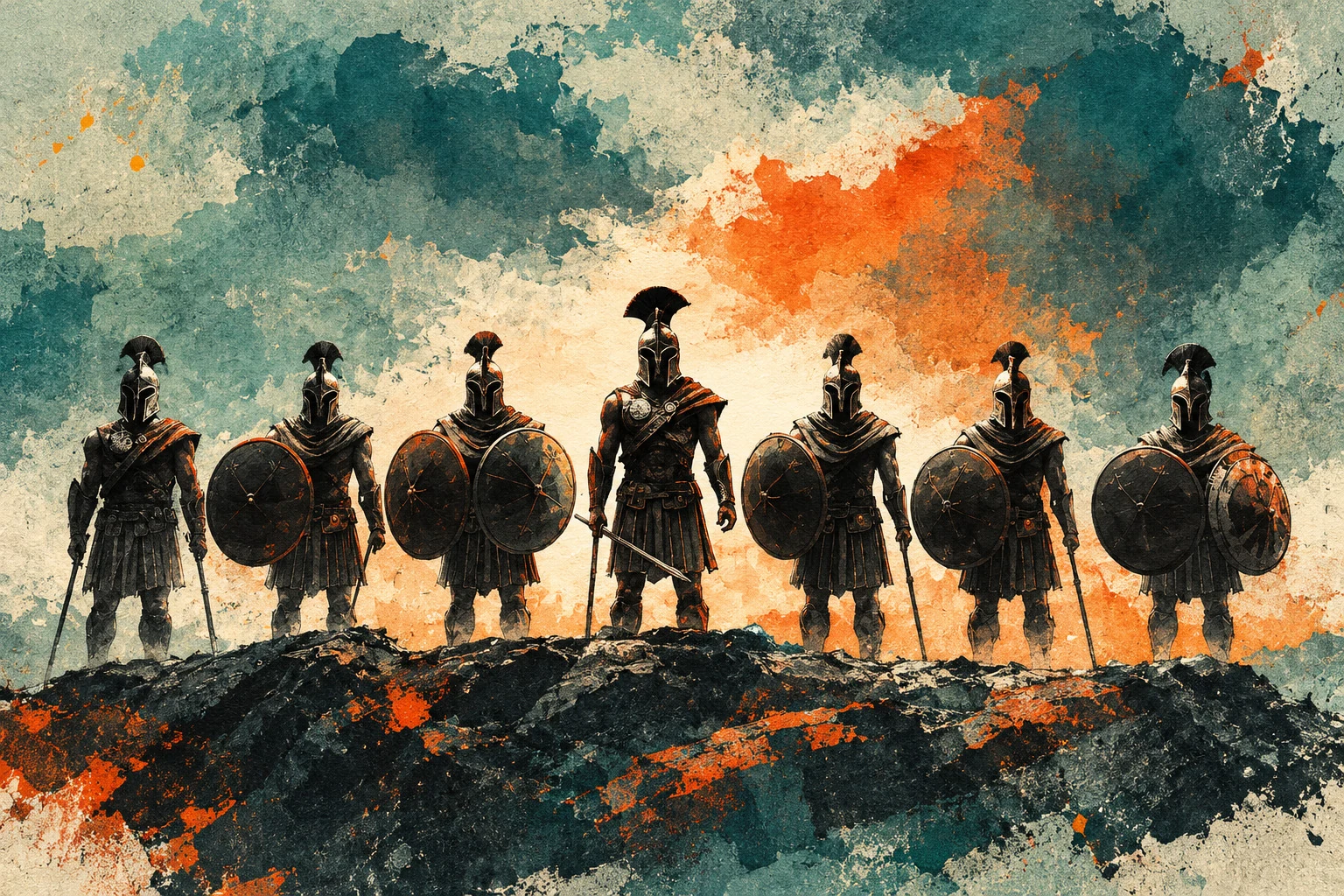
The religion of Sparta: Gods, myths and sacred rituals
Sparta’s devotion to war and honour coexisted with a complex spiritual life, woven through society and daily activity.
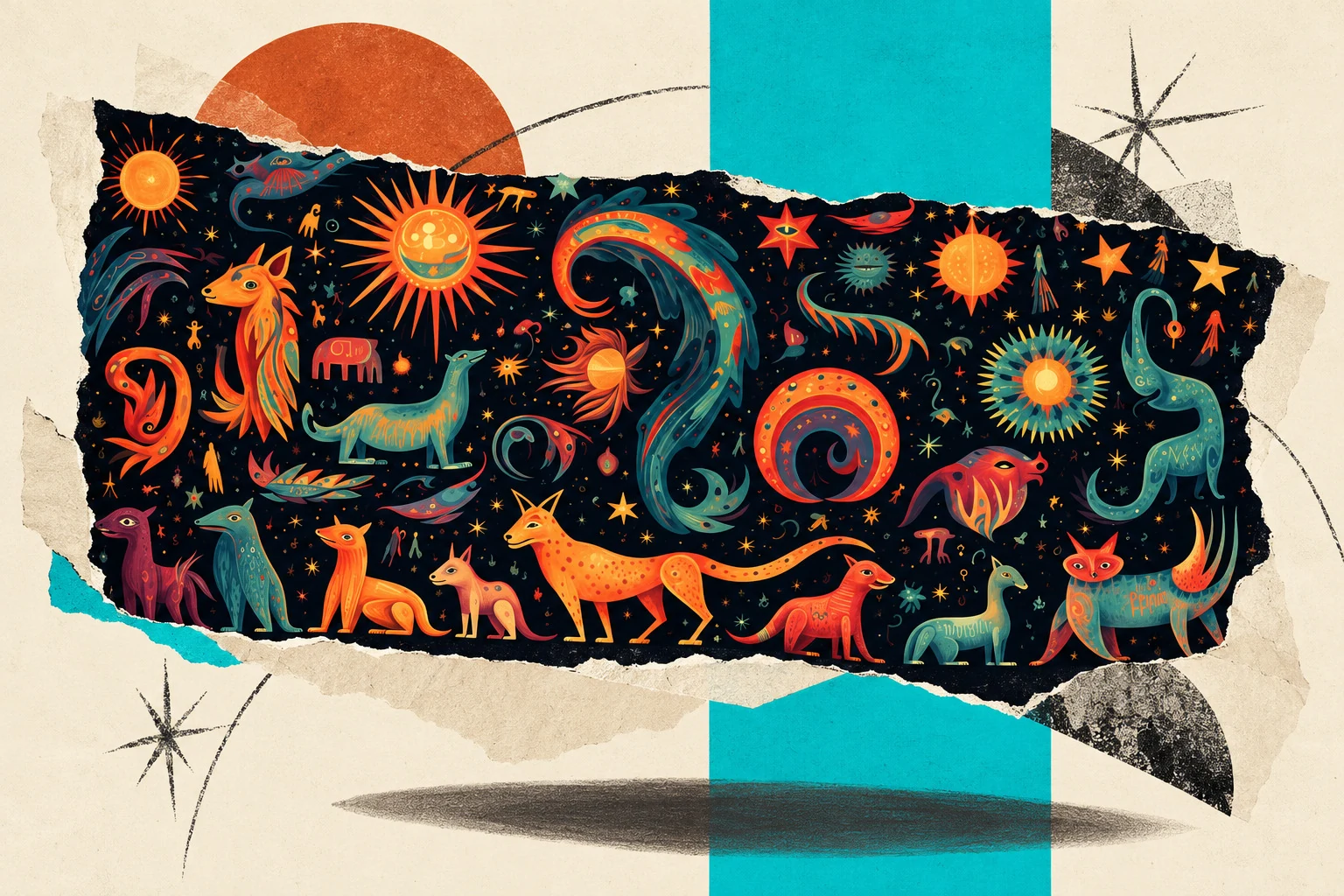
Monsters of Greek mythology and the heroes who faced them
Greek mythology gives gods and heroes an extraordinary company of creatures, from towering giants to strange hybrids. These beings have fascinated and frightened audiences for centuries.
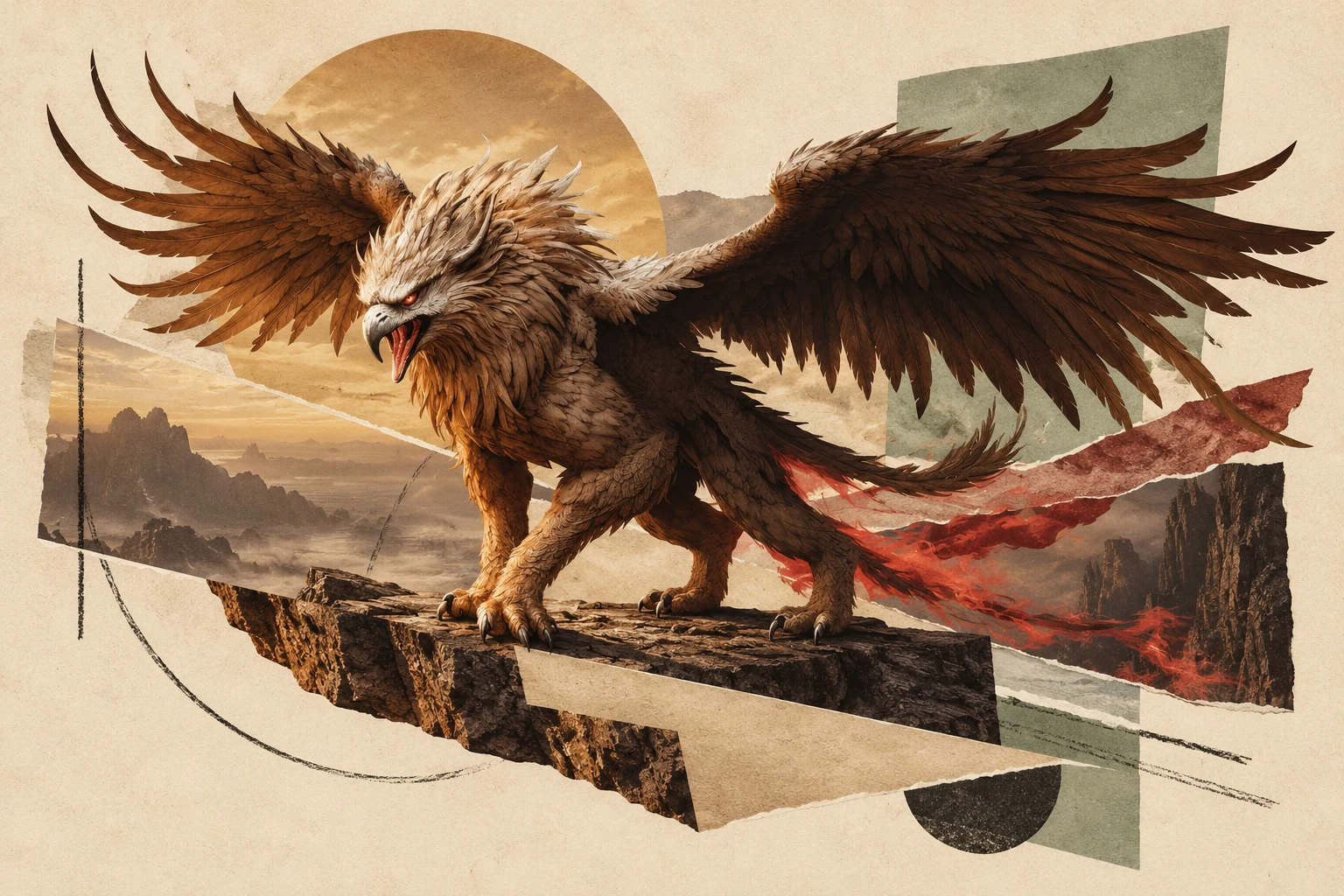
Griffins: Origins, gold and the stories behind the winged beast
A griffin combines a lion's body with an eagle's head and wings: an awkward animal to meet if you were hoping to steal its gold. Greek writers placed these creatures in distant lands, where treasure was…
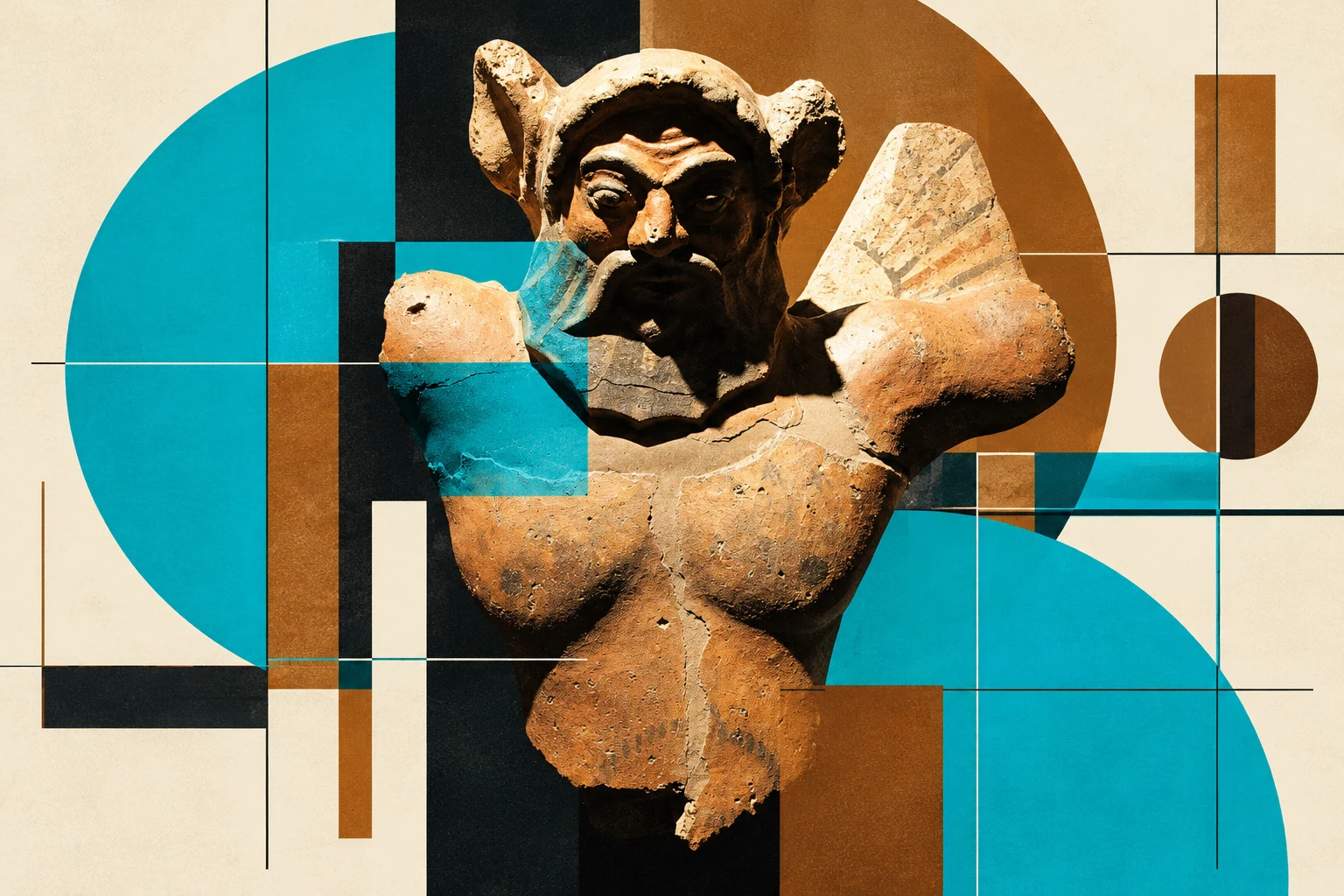
Typhon: The monster who challenged Zeus
Zeus has already defeated the Titans when another challenger appears in Hesiod's Theogony. Typhon brings fire, a hundred snake heads and enough noise to shake the world. For a moment, the poem allows the…
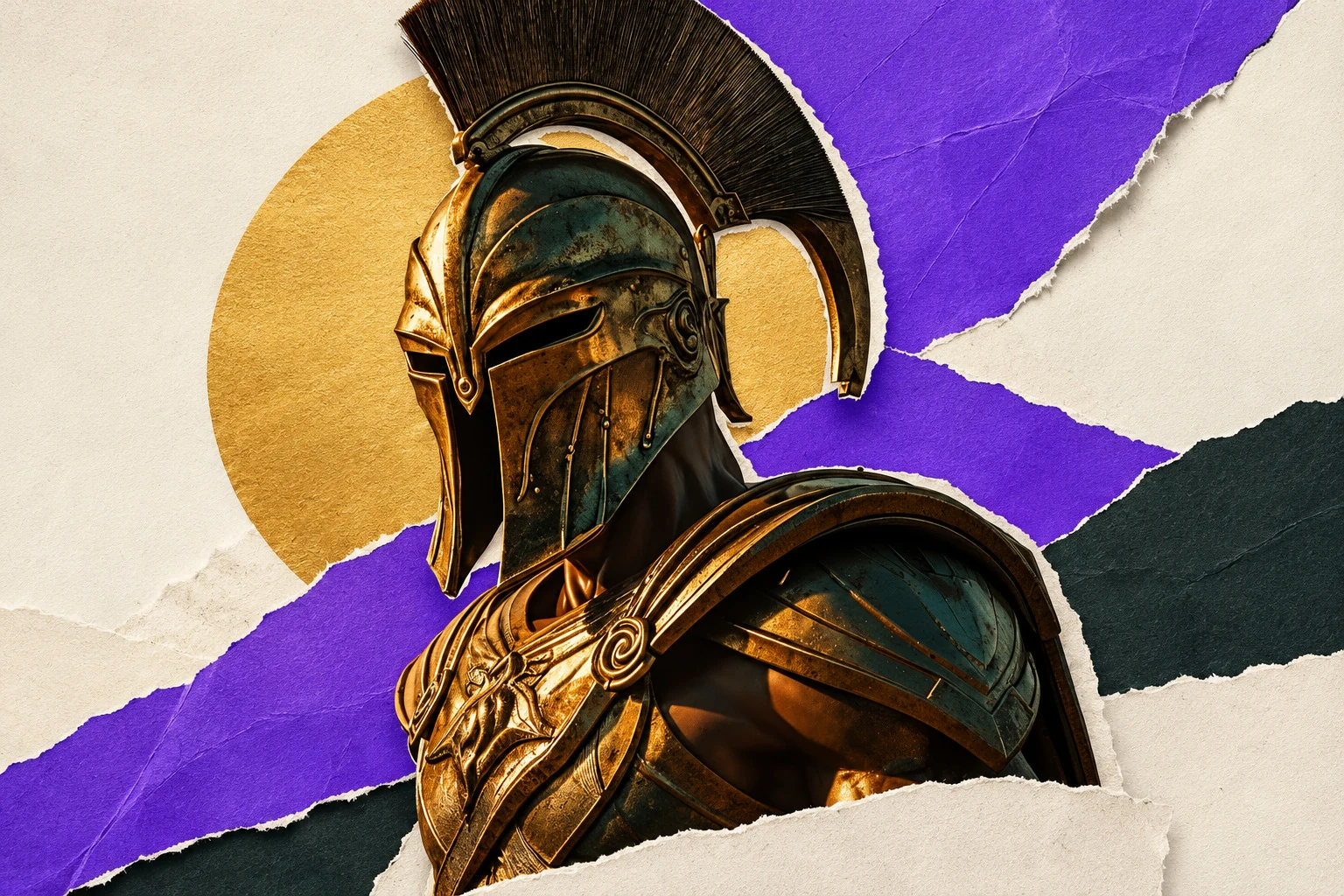
Talos: Crete’s bronze guardian and his fatal weakness
Talos guards Crete by throwing rocks at unwanted arrivals. His body is bronze, his patrol takes him round the island three times a day, and his life depends on a vulnerable point near his ankle. When the…
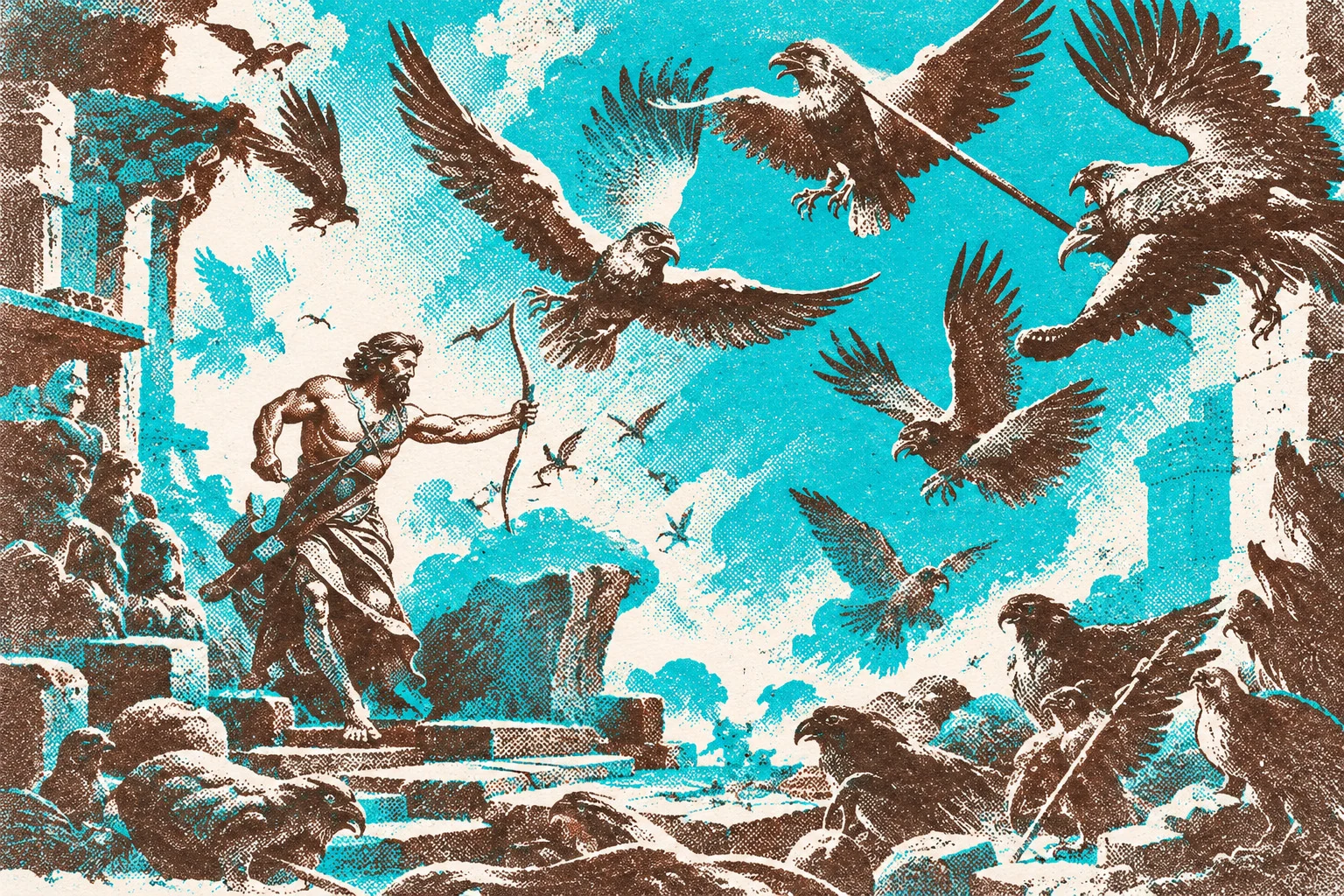
The Stymphalian Birds: Heracles and the creatures of the marsh
Heracles cannot solve every problem by walking up to it and hitting it. For the Stymphalian Birds, he first has to get a flock out of the cover around a lake. The solution is noise: bronze rattles supplied…
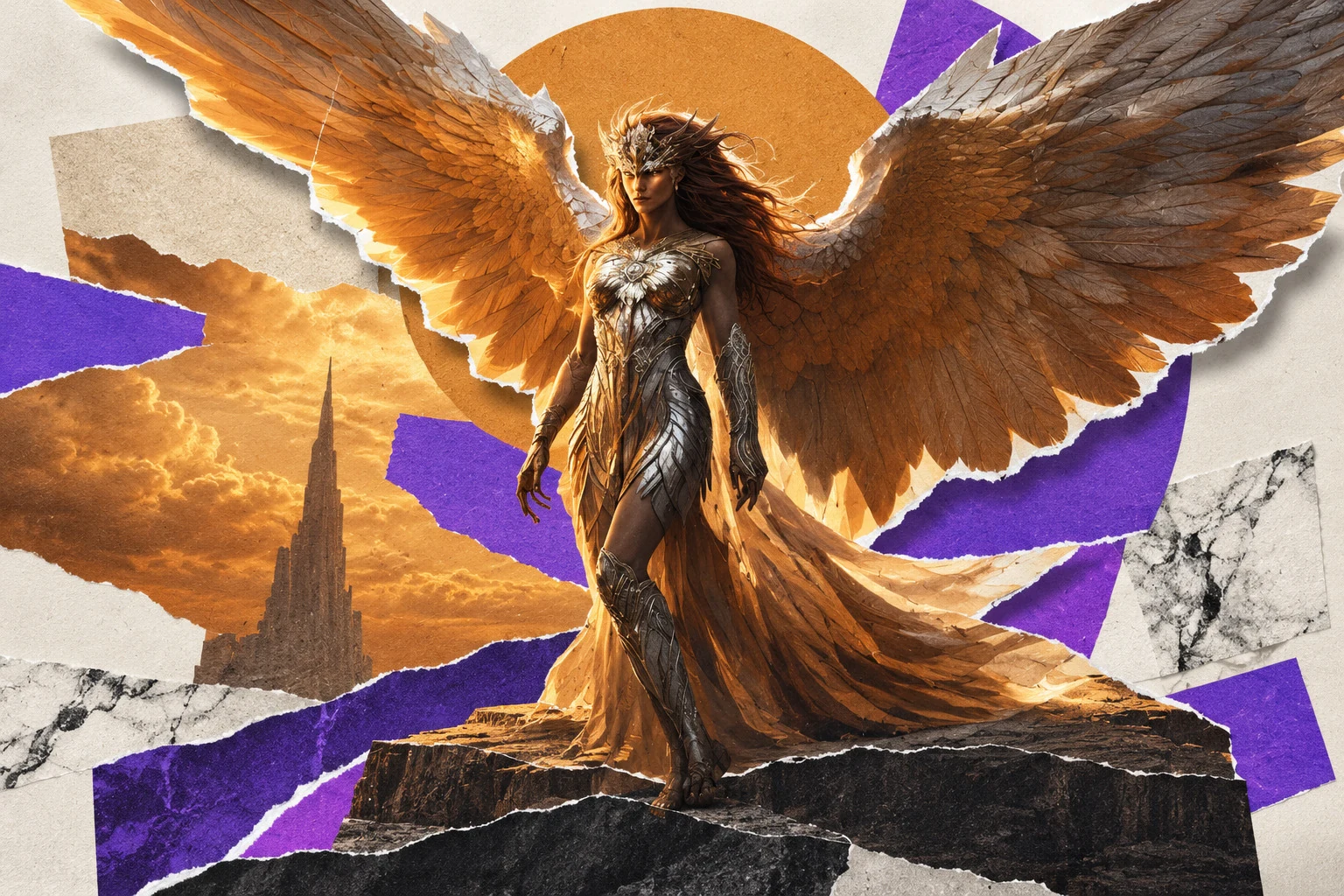
The Greek Sphinx: Oedipus, the riddle and the road to Thebes
The Sphinx brings Thebes a question with a lethal penalty. Those who cannot answer become her victims; the person who solves it can win the kingdom. Oedipus succeeds, but the reward draws him further into…
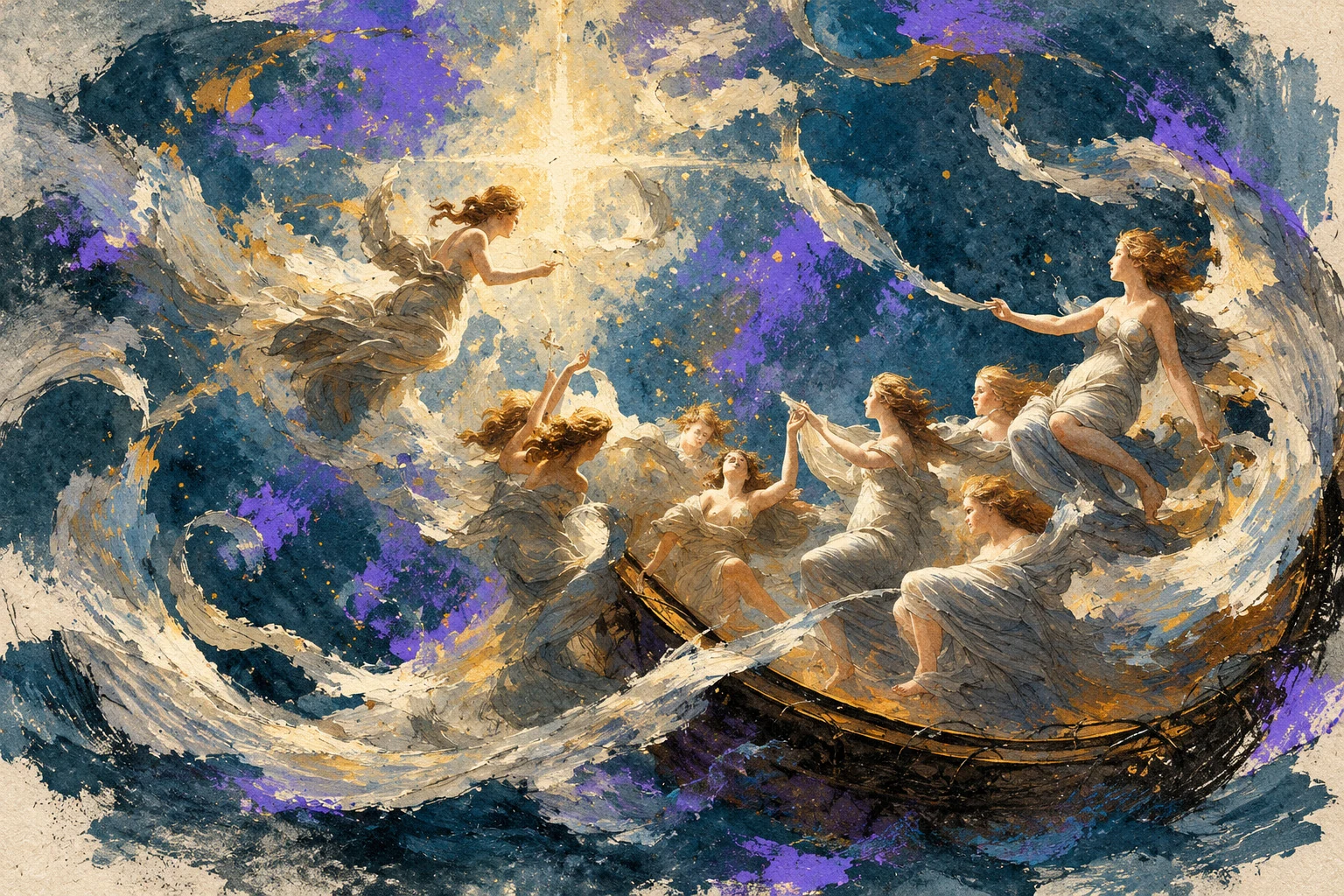
Sirens: Odysseus, Orpheus and the stories behind their song
The Sirens do not simply offer Odysseus a pleasant song. In the Odyssey, they promise knowledge: they know what happened at Troy and what happens across the world. For a traveller whose own story is bound…
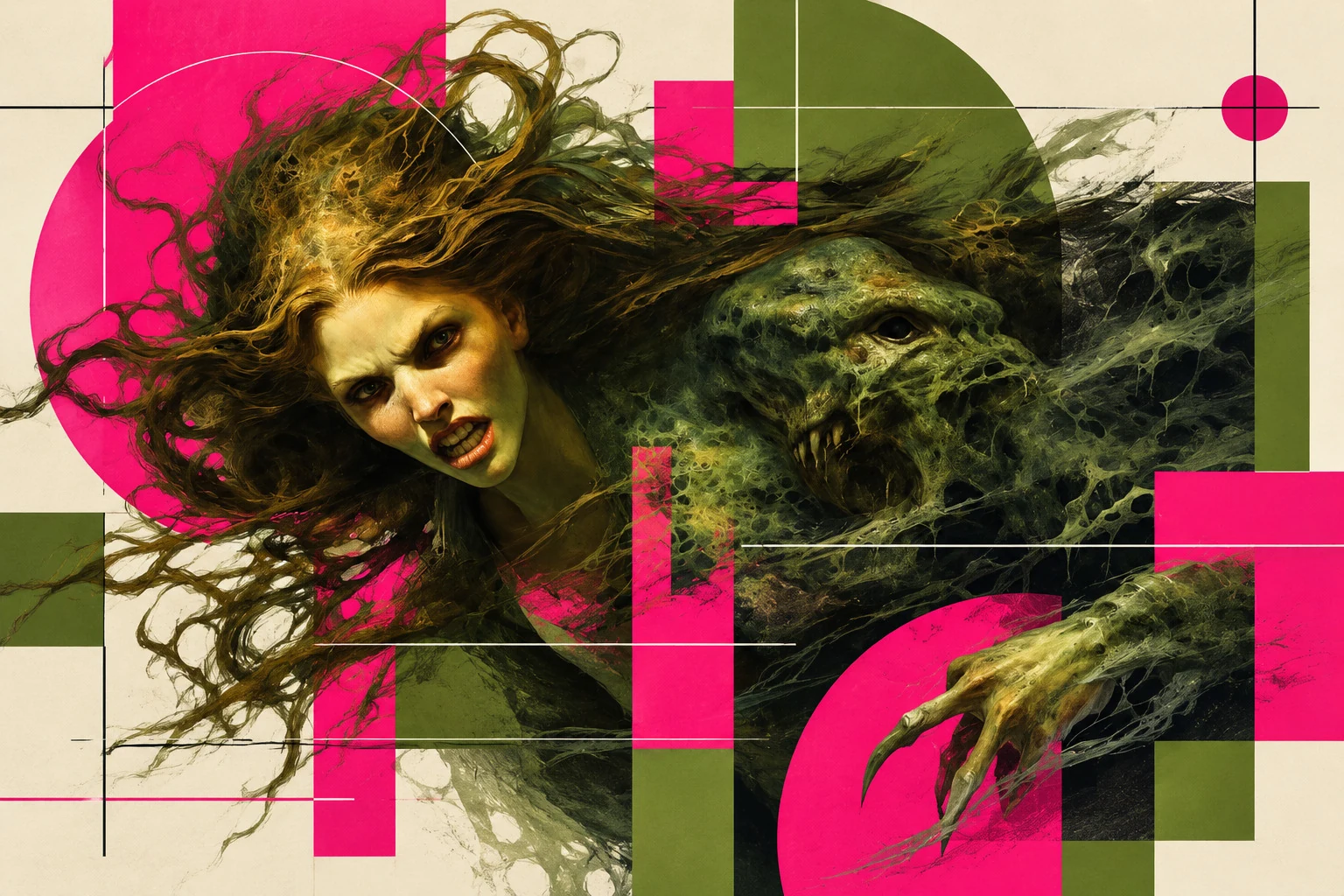
Scylla: Homer’s monster and Ovid’s transformation story
Passing Scylla is not a victory parade for Odysseus. His ship survives, but six of his companions do not. While the crew watches the danger on the other side of the strait, the monster reaches down and…
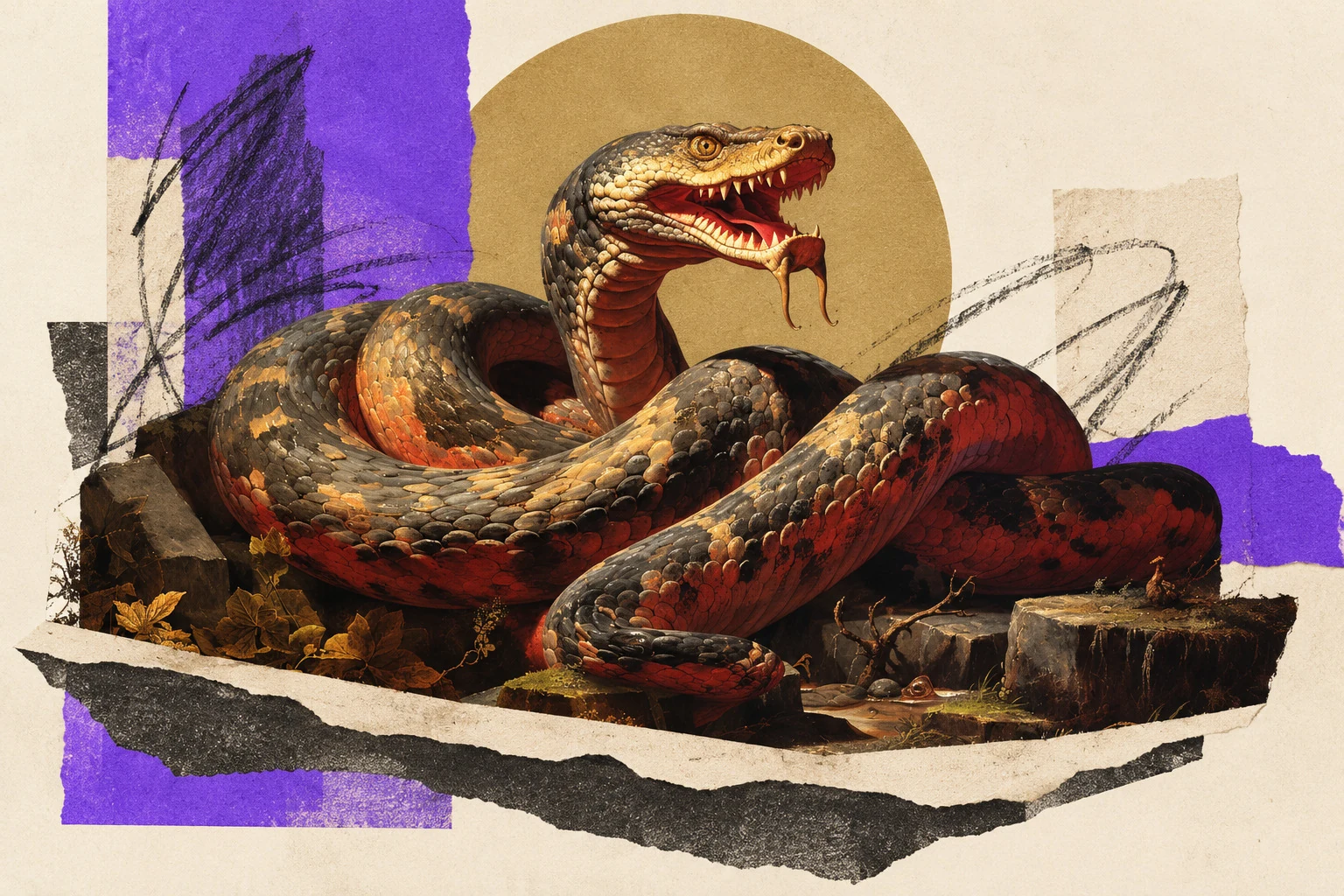
Python: Apollo’s serpent at Delphi
Python is the serpent whose defeat gives Apollo a place at Delphi in Greek myth. But the story changes with the source: a hymn describes a female dragon near a spring, a mythographic account makes Python…
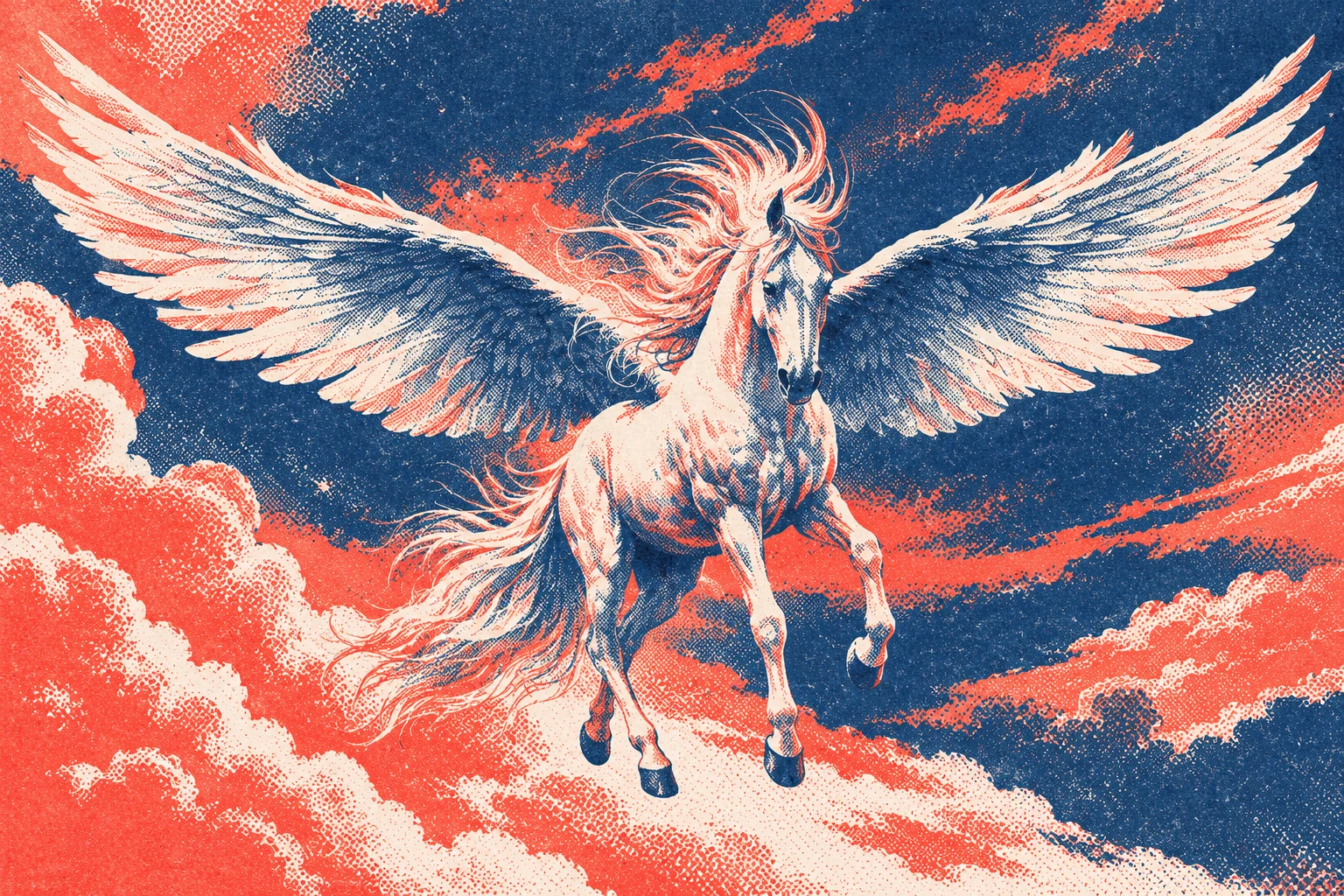
Pegasus: Medusa, Bellerophon and the winged horse
Pegasus begins life at the moment Medusa loses hers. When Perseus cuts off her head, the winged horse and Chrysaor emerge. Yet Pegasus's best-known rider is Bellerophon, and his place in Hesiod's account is…
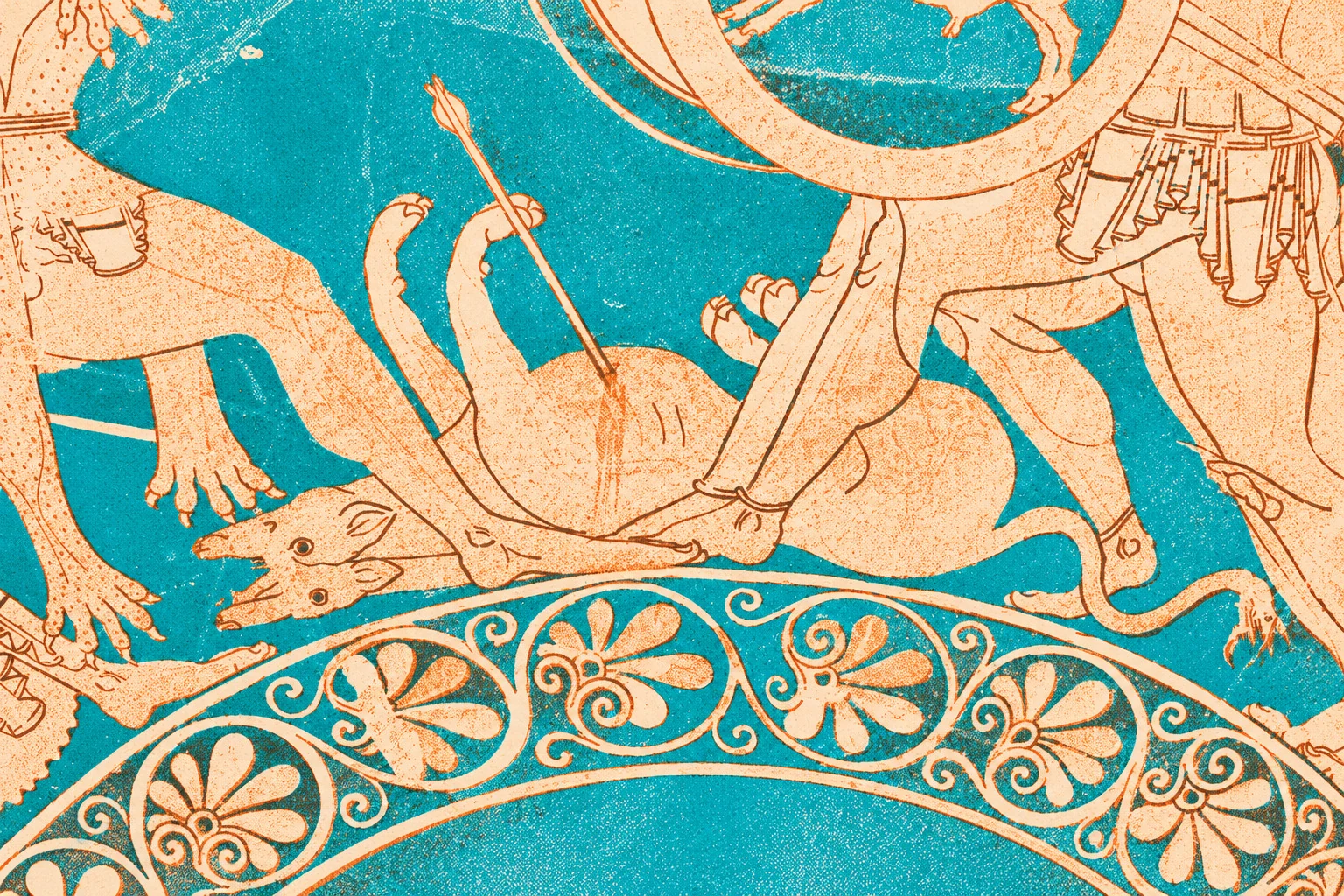
Orthrus: The two-headed dog guarding Geryon’s cattle
Orthrus, also written Orthus, is the two-headed dog guarding Geryon's cattle. Heracles meets him while carrying out the labour of taking the herd. The dog is doing the job a watchdog is supposed to do:…
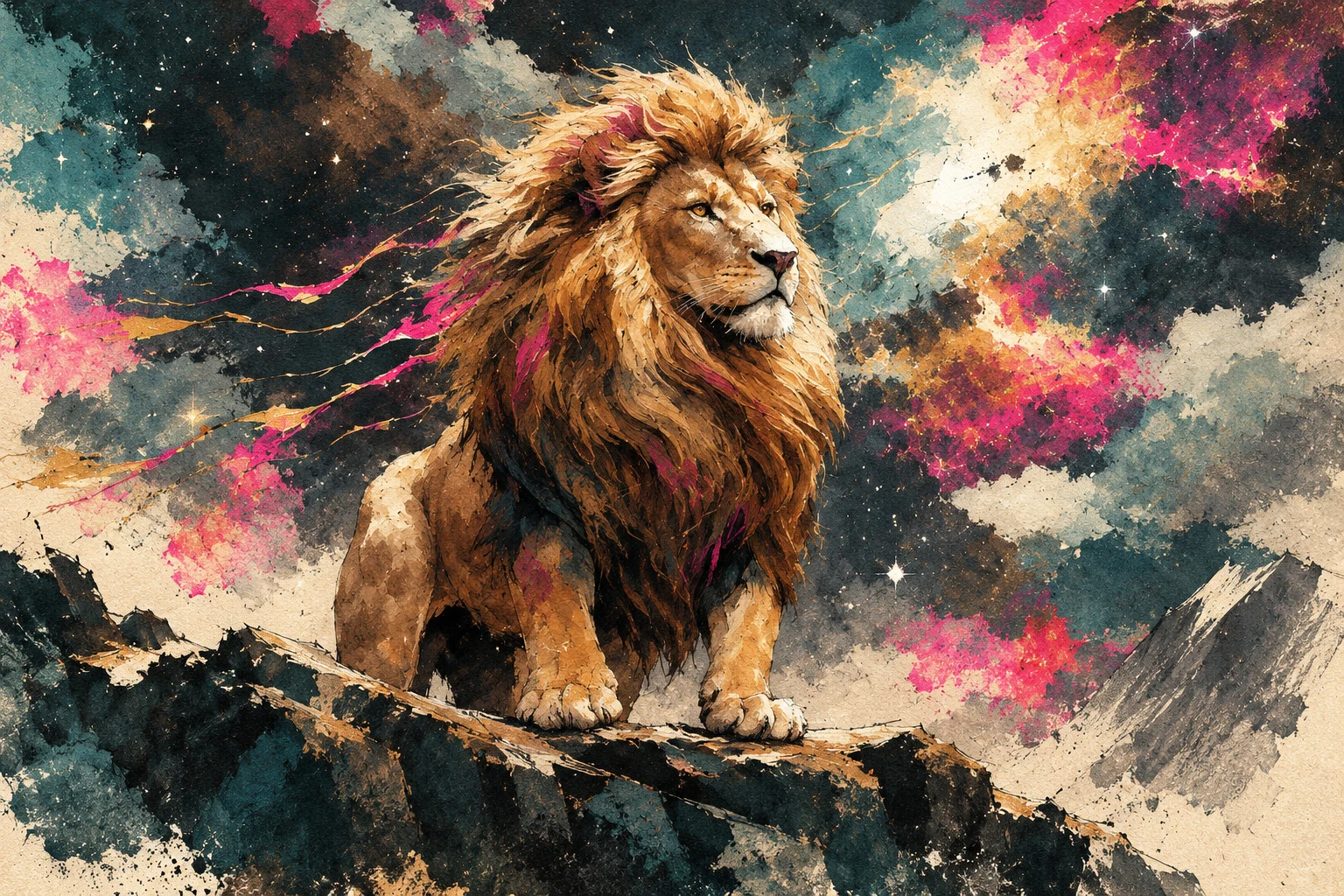
The Nemean Lion: A cave, a contest and an unusual victory
Heracles's first labour begins with a weapon that does not work. The Nemean Lion cannot be pierced by his arrow, so the hero has to change the terms of the fight. An invulnerable hide still leaves a neck…
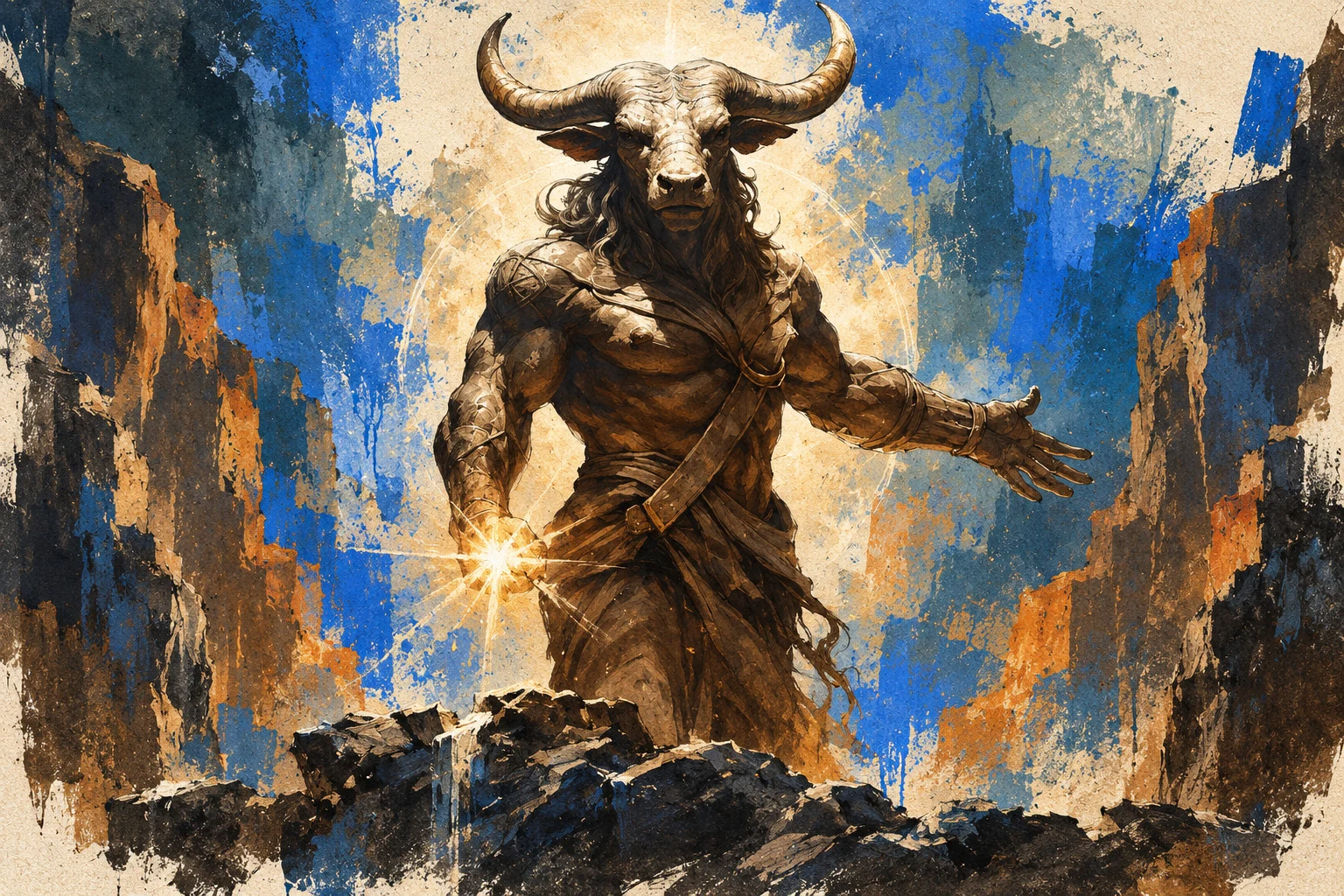
The Minotaur: Birth, labyrinth and the story of Theseus
The Minotaur is the consequence of a promise Minos decides not to keep. Poseidon sends the king a magnificent bull on the understanding that it will be sacrificed. Minos keeps it and offers another animal…
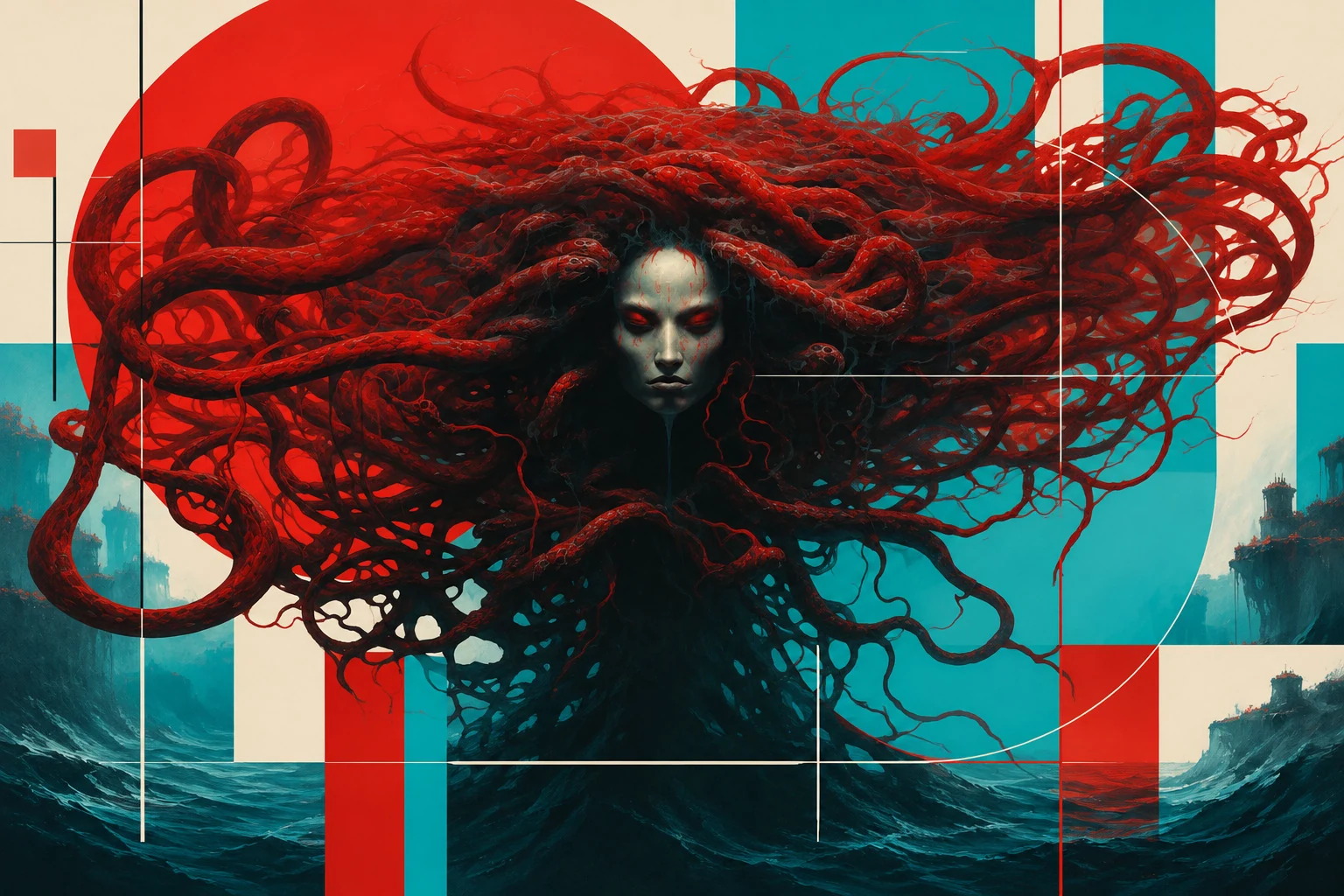
Medusa: Snakes, Perseus and the power of a severed head
There is no single ancient biography of Medusa. In Hesiod she is the mortal member of a family of Gorgons. In a later account, Perseus kills her while she sleeps. In Ovid, her snake hair receives a…
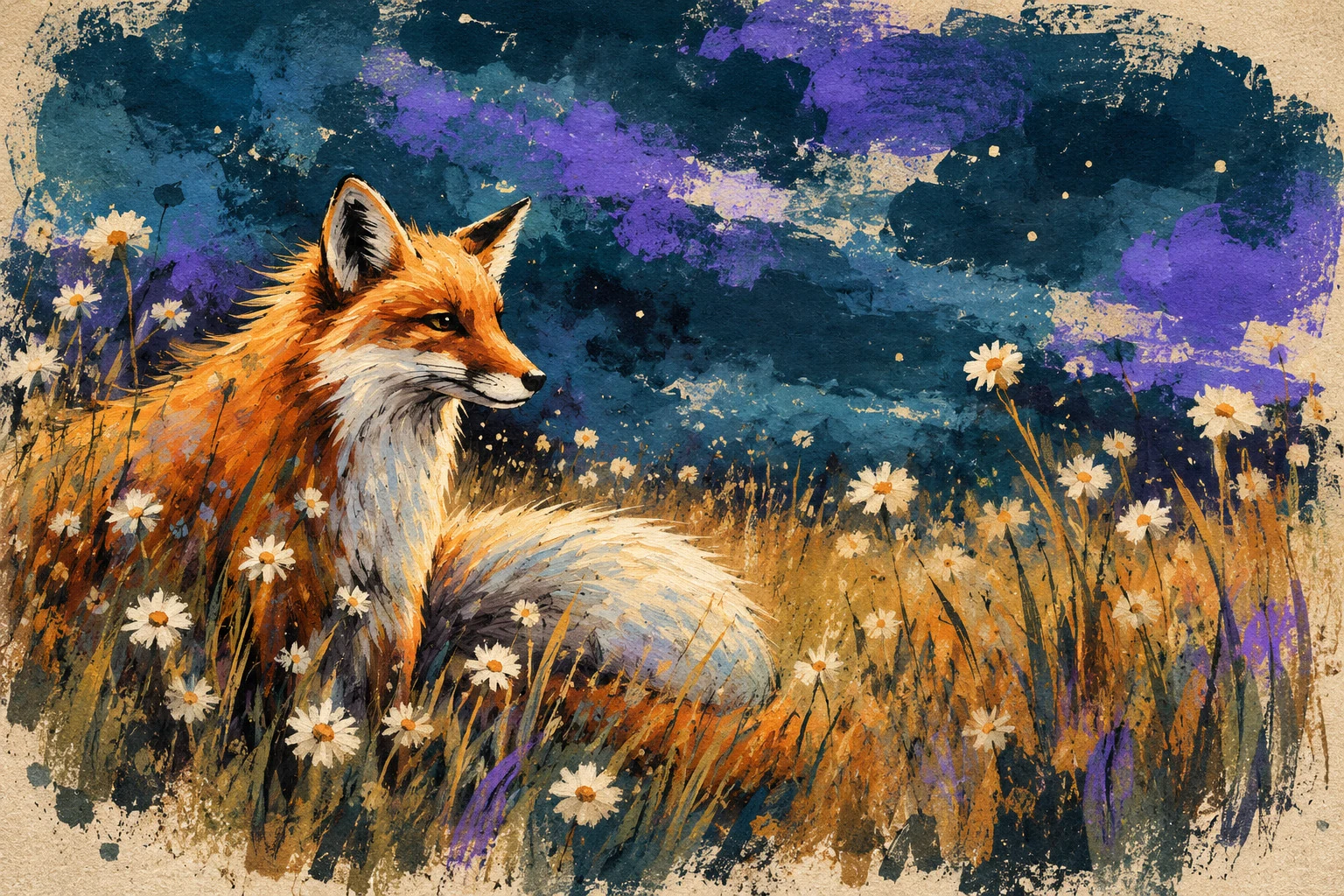
The Teumessian Fox: The beast no hunter could catch
The Teumessian Fox cannot be caught. Laelaps, the hound sent after it, cannot fail to catch its quarry. Put the two in the same chase and a hunting story becomes a problem even extraordinary speed cannot…
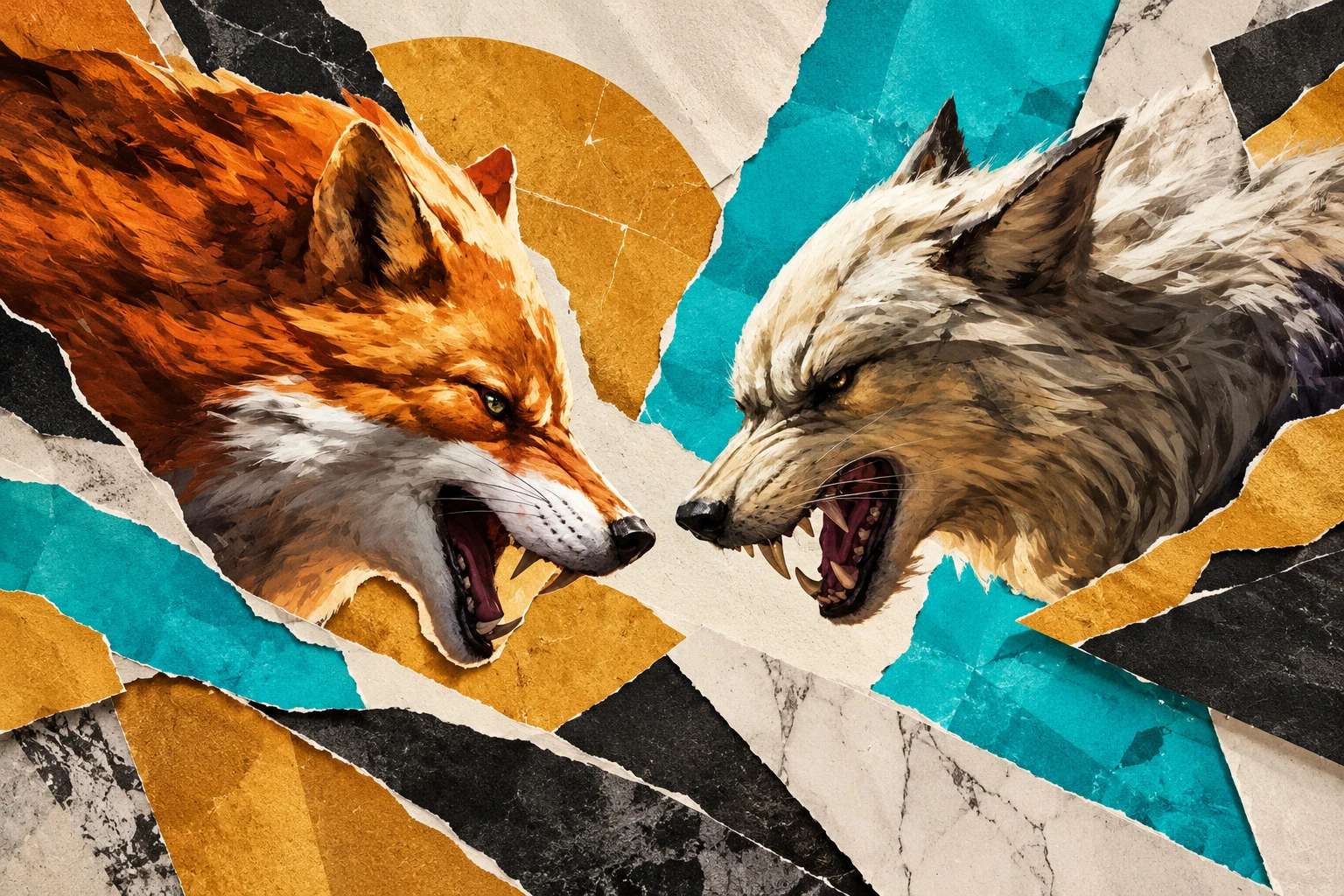
Laelaps: The hound that never failed to catch its prey
A dog guaranteed to catch whatever it chases sounds like an ideal gift for a hunter. Laelaps exposes the difficulty with that guarantee: what happens when the quarry is also guaranteed never to be caught?…
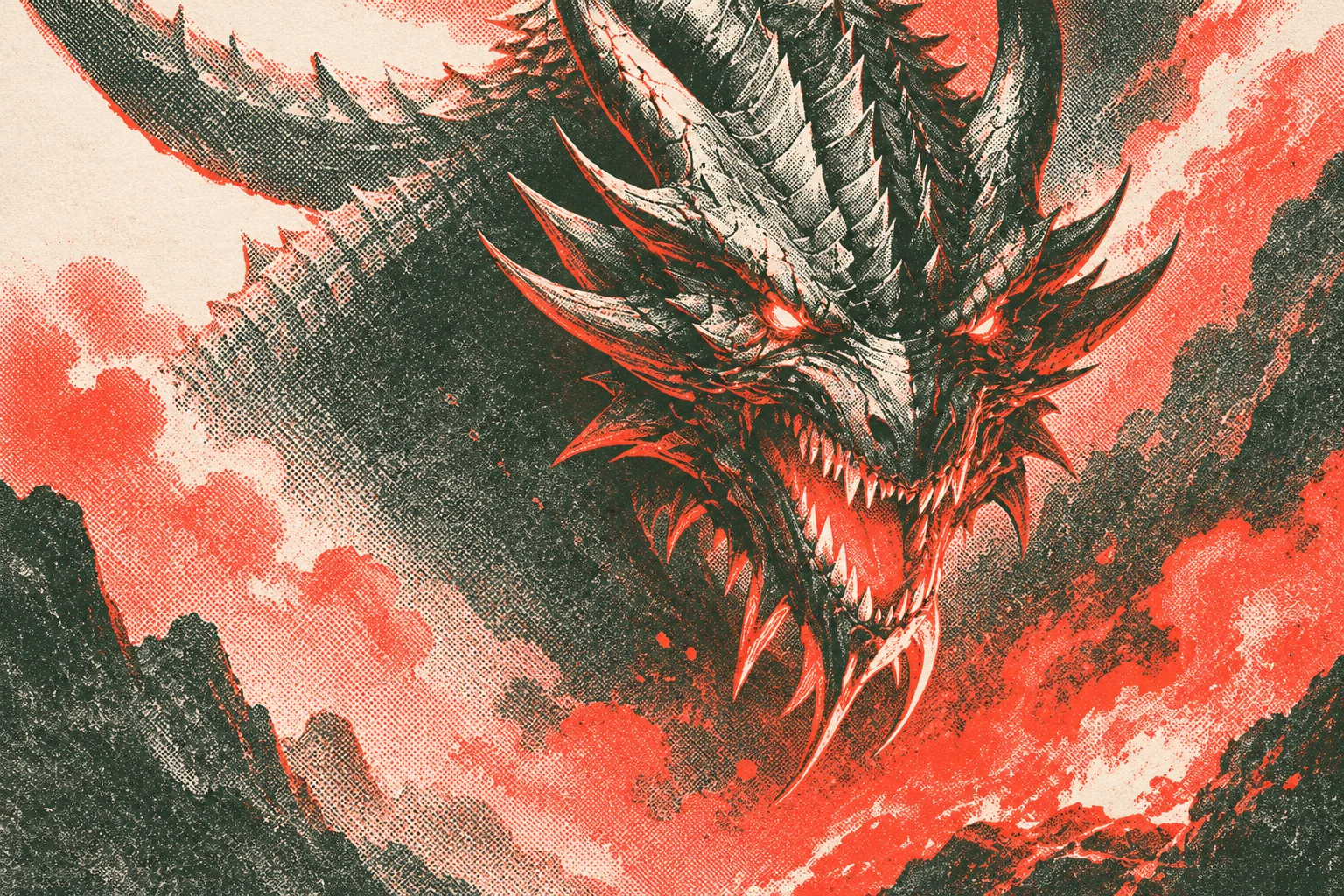
The Ismenian Dragon: Cadmus, Ares and the founding of Thebes
Cadmus kills the dragon blocking a sacred spring, but the victory does not simply clear the ground for Thebes. The monster's teeth grow into armed men, and its connection with Ares leaves the founder owing…
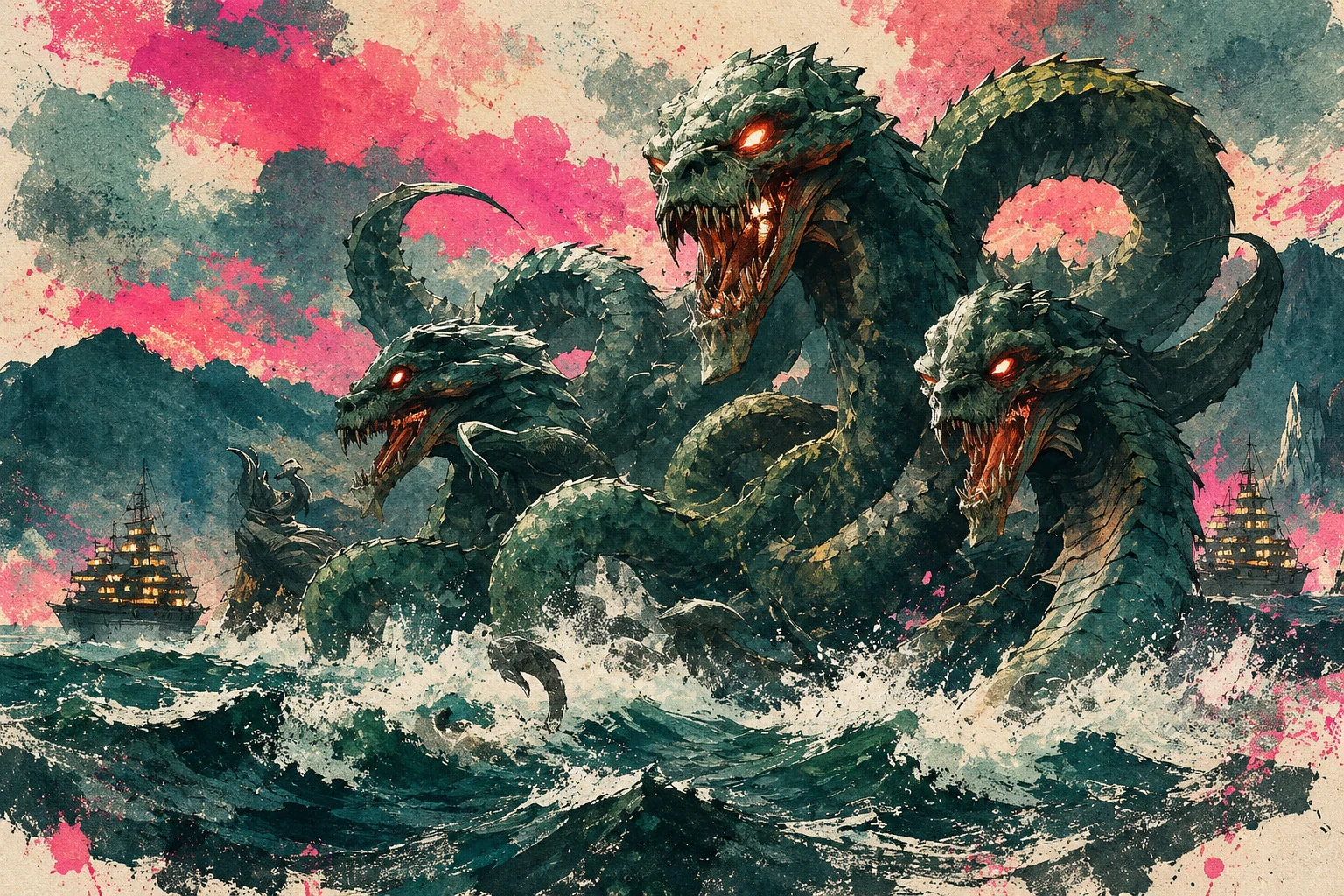
Hydra in Greek mythology: Heads, venom and a disputed labour
Cutting off a Hydra head makes the problem worse: two grow in its place. Heracles needs more than strength to defeat the creature at Lerna, and more than his own pair of hands. Iolaus supplies the…
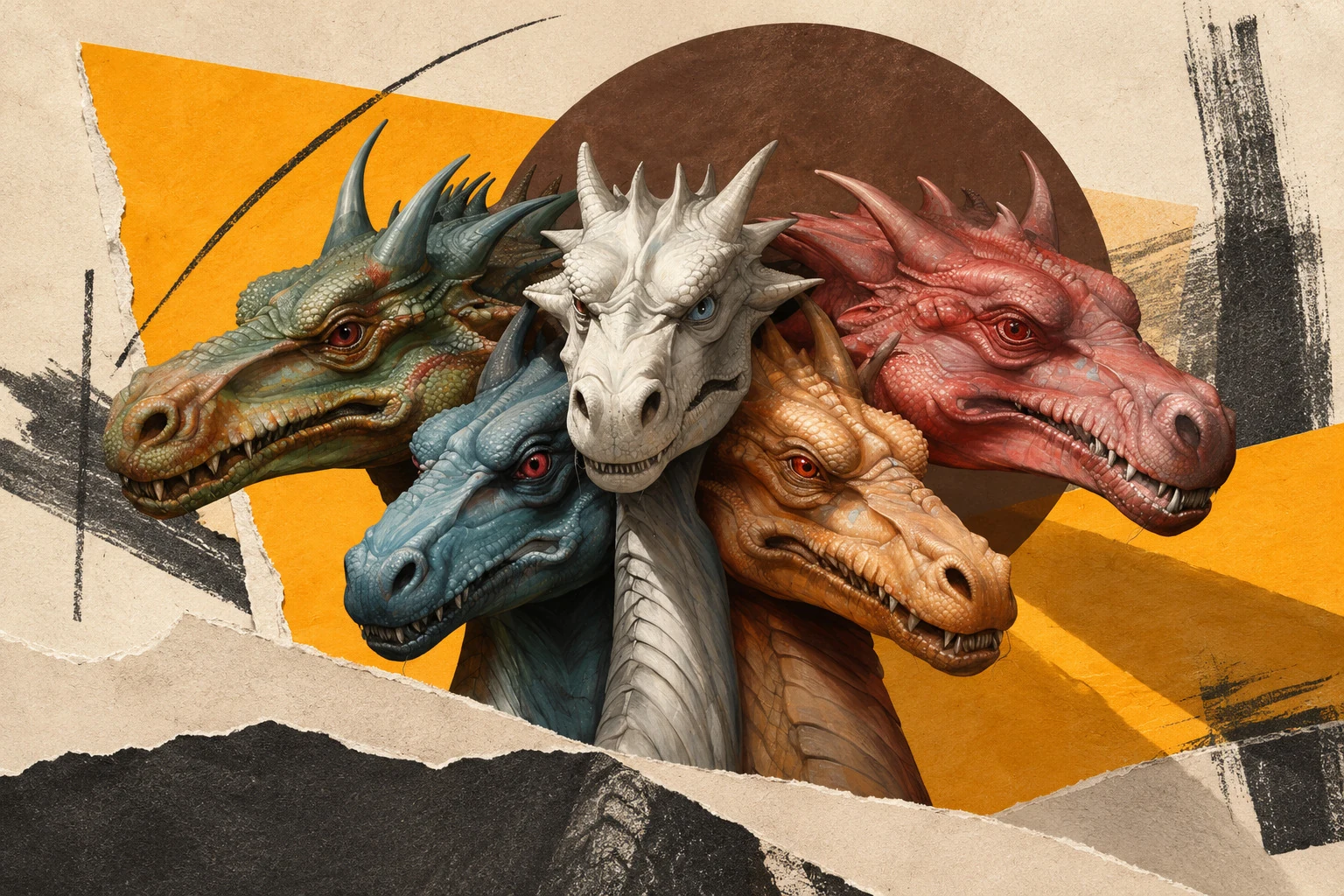
Ladon: The dragon guarding the golden apples
Golden apples are a suitable prize for a hero only if getting them is difficult. Their dragon guardian supplies that difficulty. The creature usually called Ladon watches the tree alongside the Hesperides,…
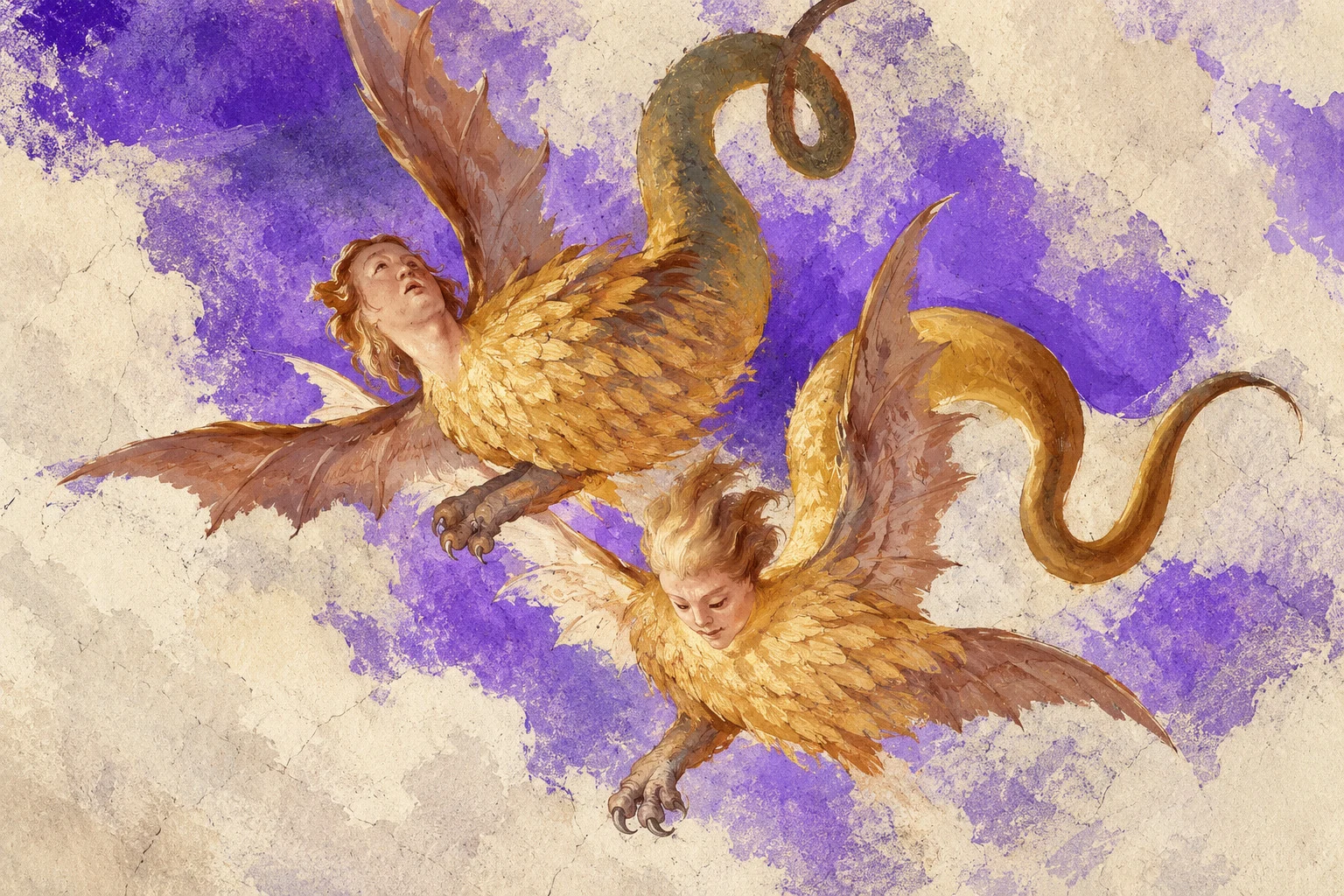
Harpies: From the Argonauts’ voyage to the story of Aeneas
Phineus has food within reach, but cannot enjoy a meal. The Harpies swoop down to snatch it, leaving what remains so foul that eating becomes another torment. In Apollonius's Argonautica, rescuing the old…
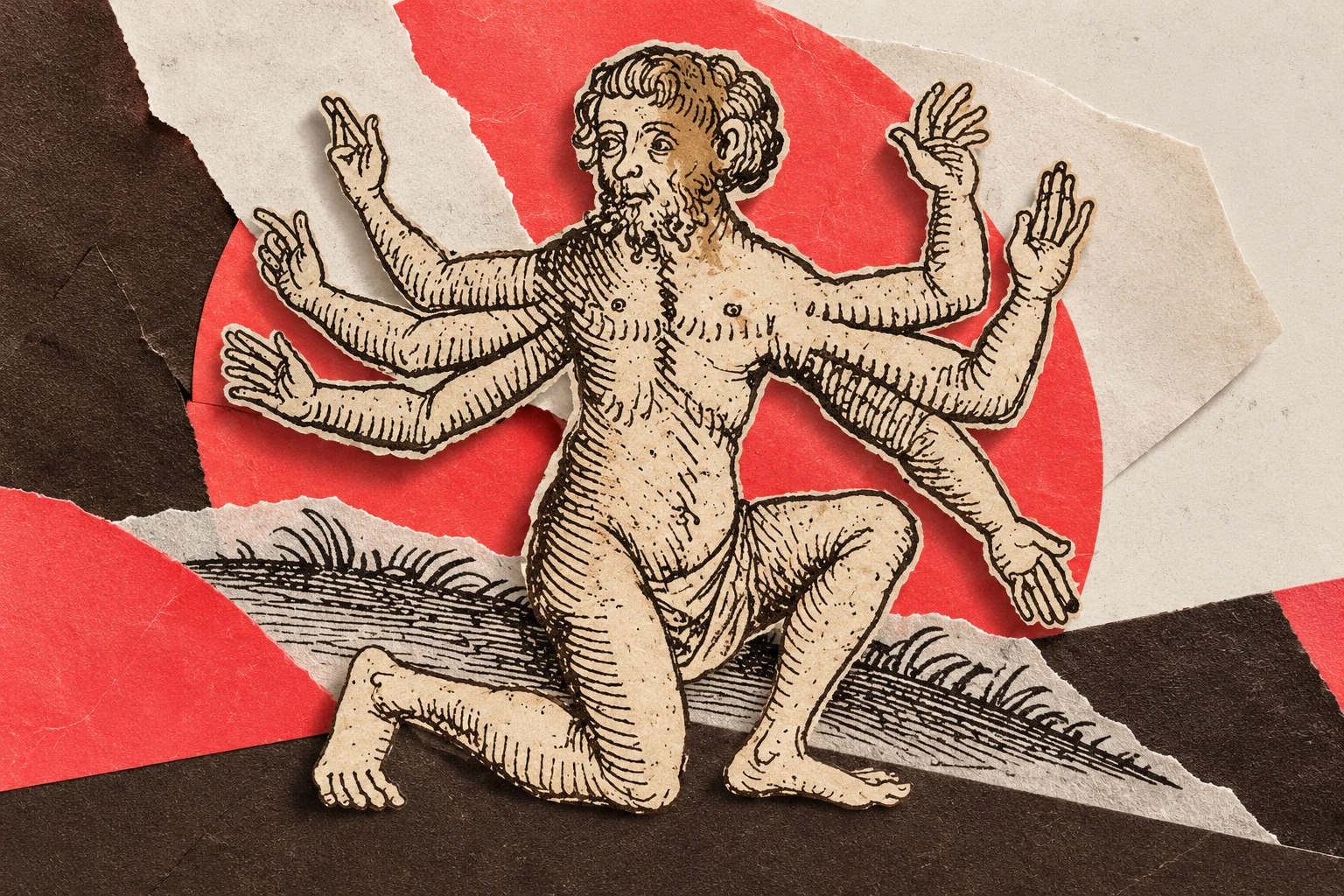
Gegenees: The six-armed giants who attacked the Argonauts
The Gegenees attack the Argonauts where a ship is most vulnerable: trapped inside a harbour. They try to block the exit with rocks, leaving the crew to fight for a route back to the sea. Each attacker has…
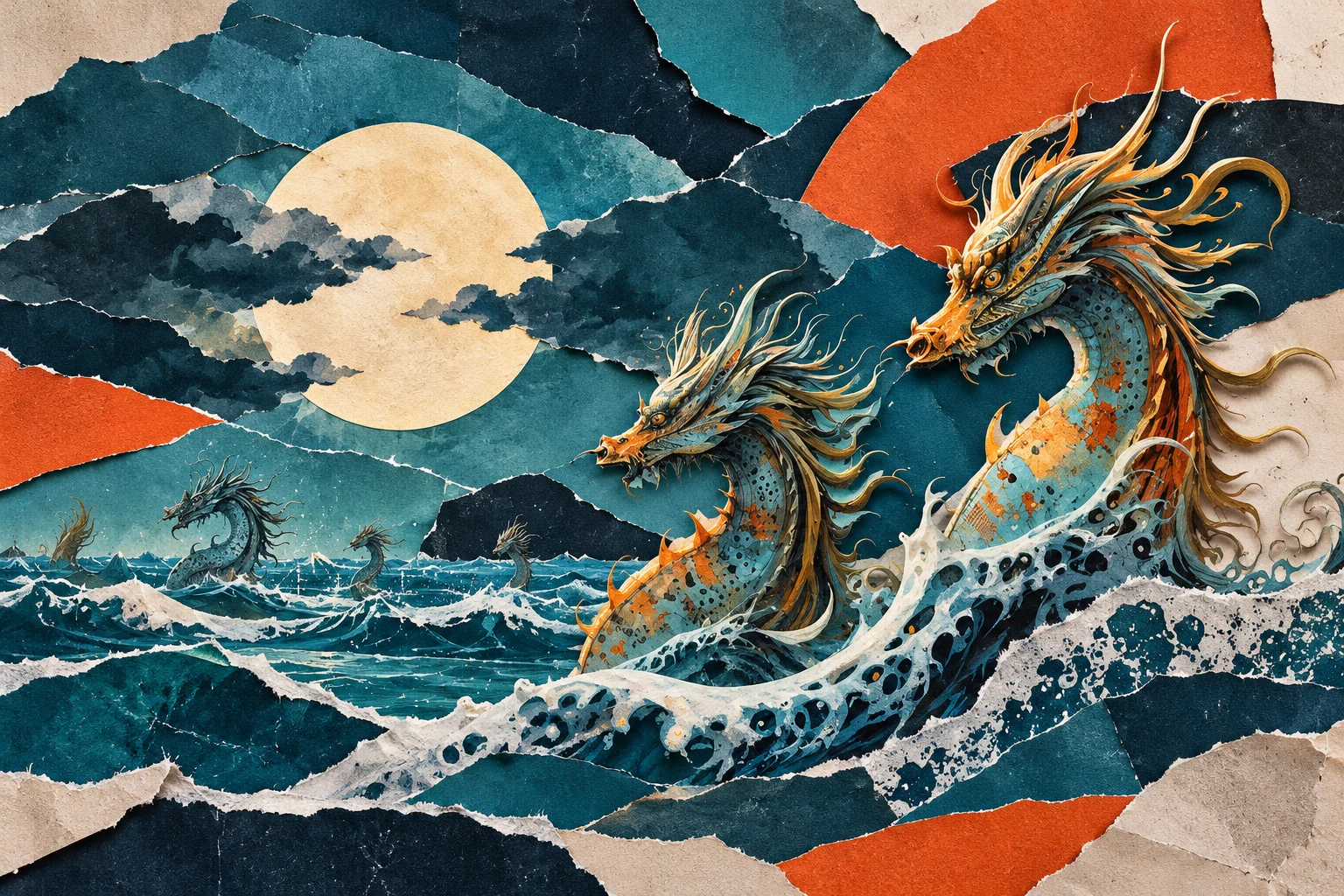
Ketea: The sea monsters of Greek mythology
Greek sea monsters make the shore a dangerous place to stand. In two famous rescue stories, a king's offence puts his daughter within reach of a creature sent from the sea. Perseus saves Andromeda; Heracles…
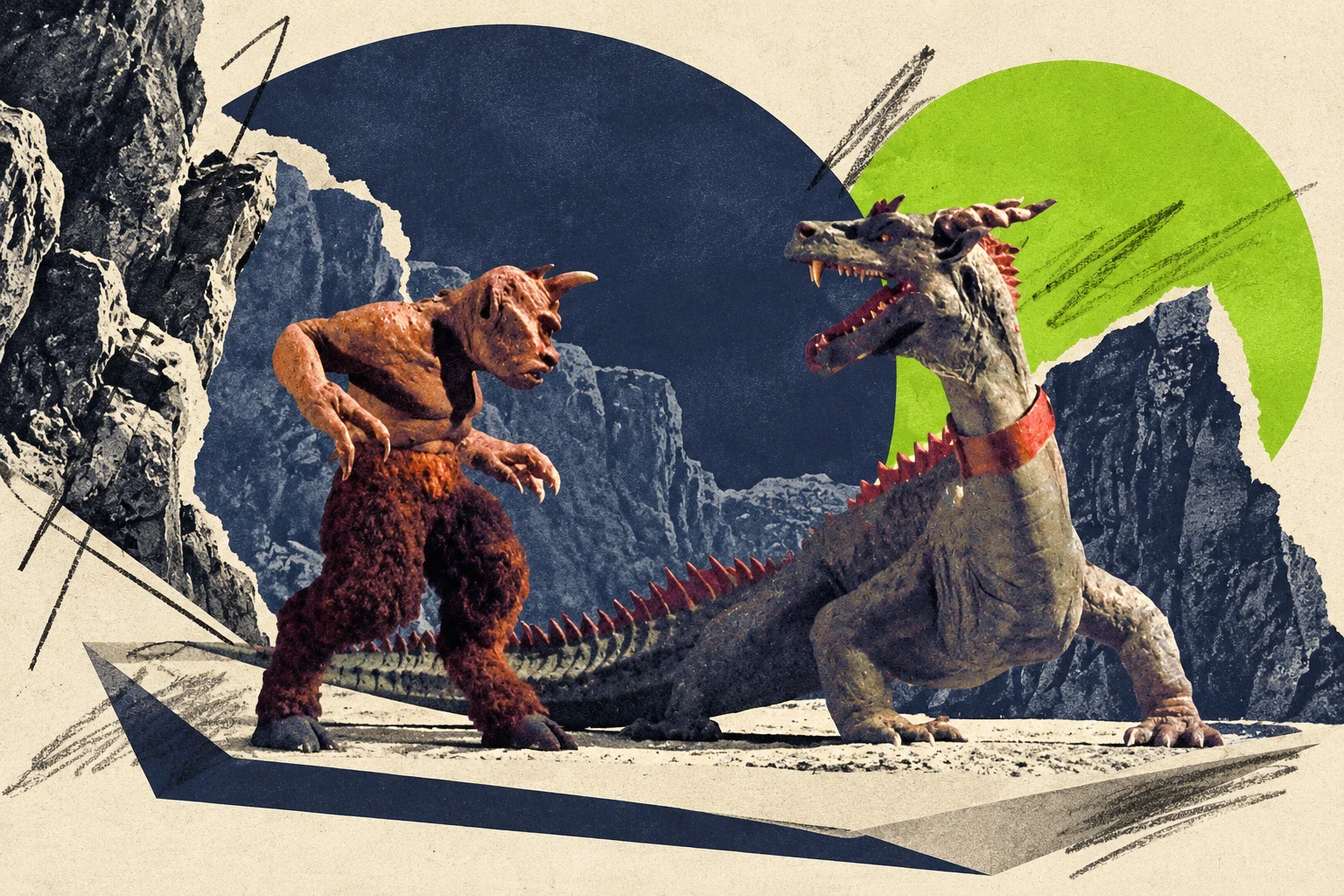
Cyclops: One-eyed giants from Zeus’s forge to Odysseus’s cave
A single eye does not give every Cyclops the same job. Hesiod's Cyclopes make Zeus's thunderbolt. Homer's Polyphemus keeps sheep and traps visitors in his cave. Other traditions credit Cyclopes with walls…
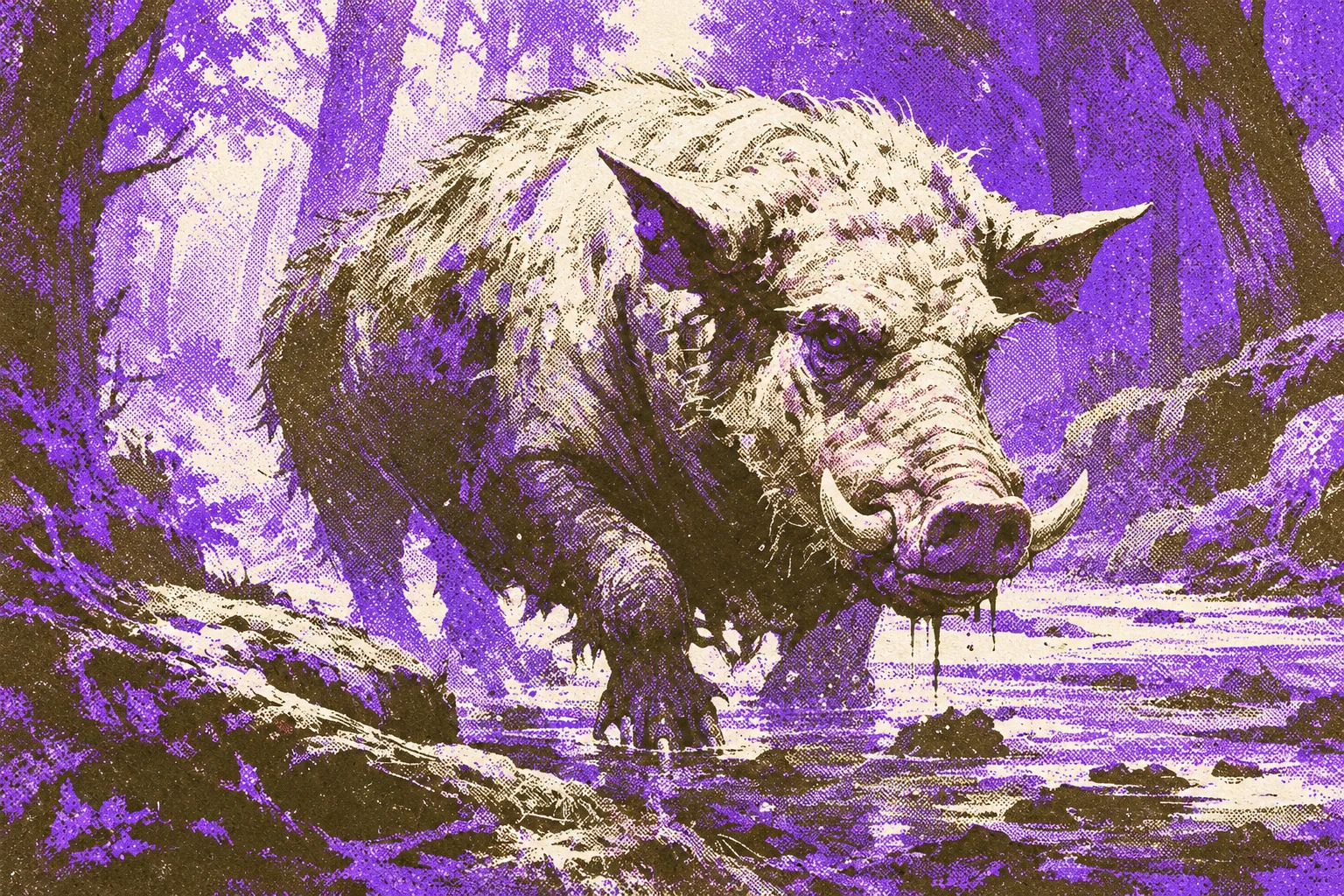
The Crommyonian Sow: Theseus and the beast called Phaea
Before Theseus reaches the Minotaur, he makes the road to Athens dangerous for some of its most dangerous inhabitants. One of his encounters is with the Crommyonian Sow, a formidable animal called Phaea.…
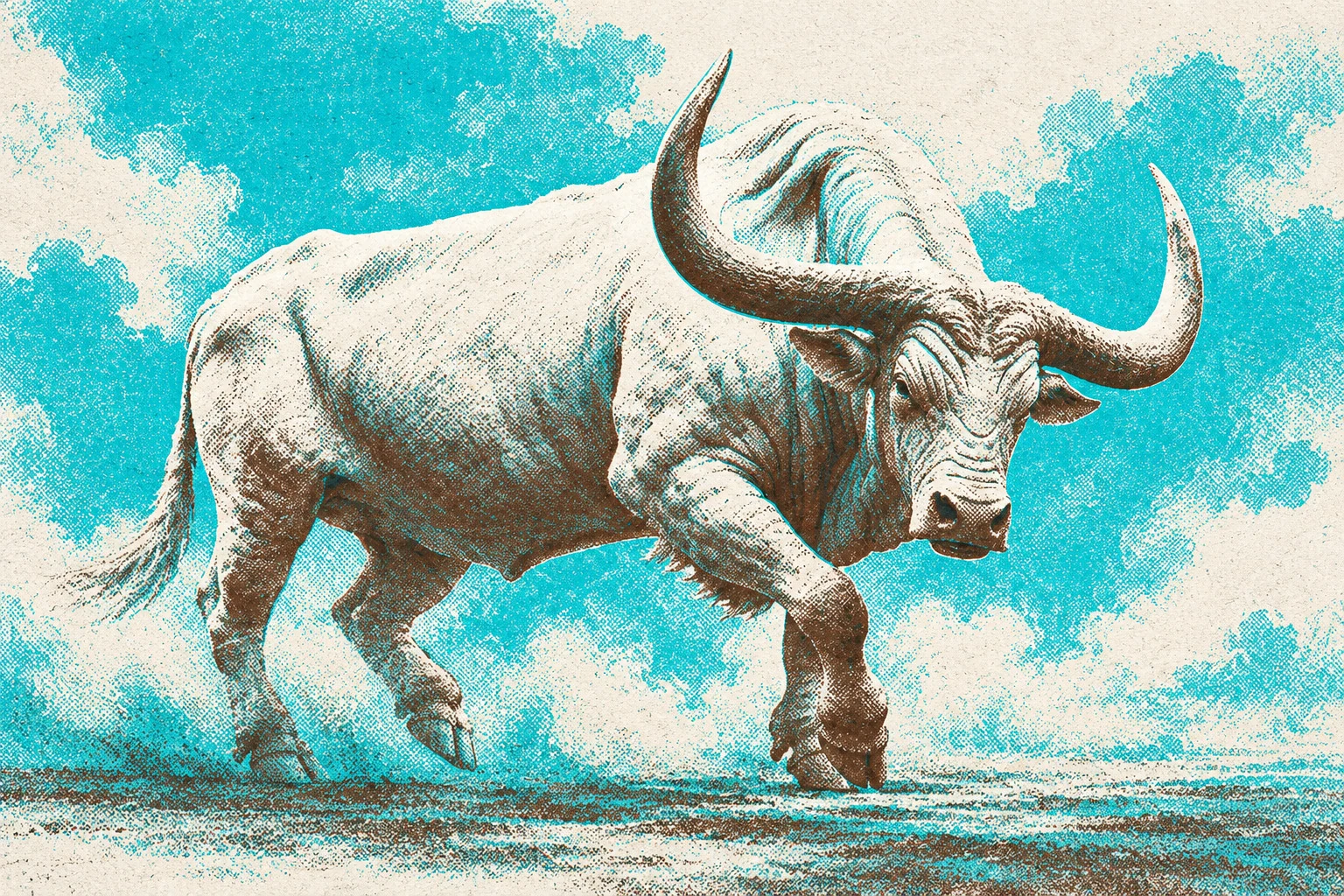
The Cretan Bull: Poseidon, Heracles and the road to Marathon
Minos asks Poseidon for a sign that he deserves to rule Crete. The god sends a magnificent bull from the sea. Minos gets his kingdom, then keeps the animal he has promised to sacrifice. His substitute…
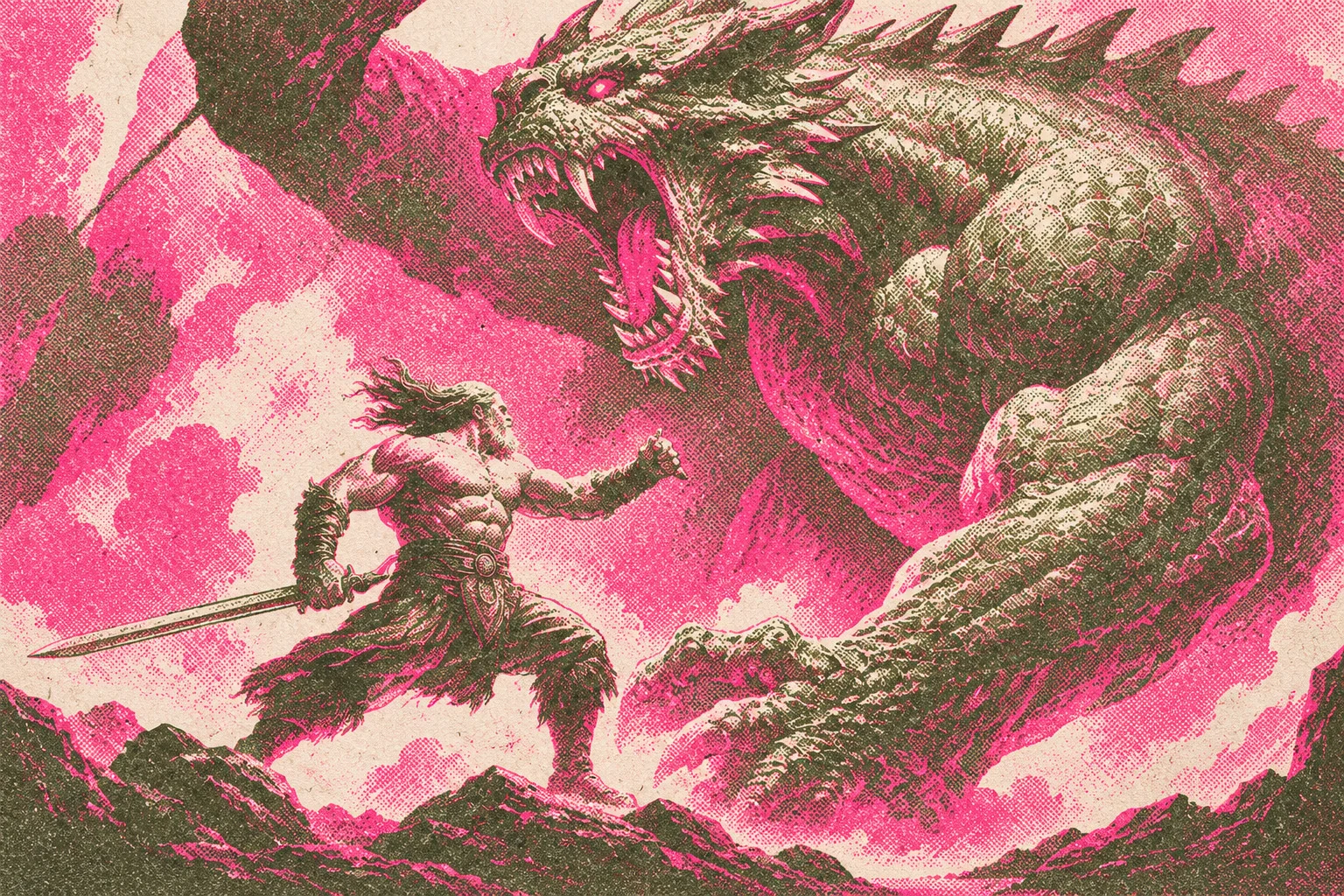
The Colchian Dragon: Guardian of the Golden Fleece
The Golden Fleece hangs in a grove of Ares, watched by a serpent that does not sleep. Jason reaches the prize because Medea can do what an ordinary intruder cannot: make its guardian close its eyes. In…
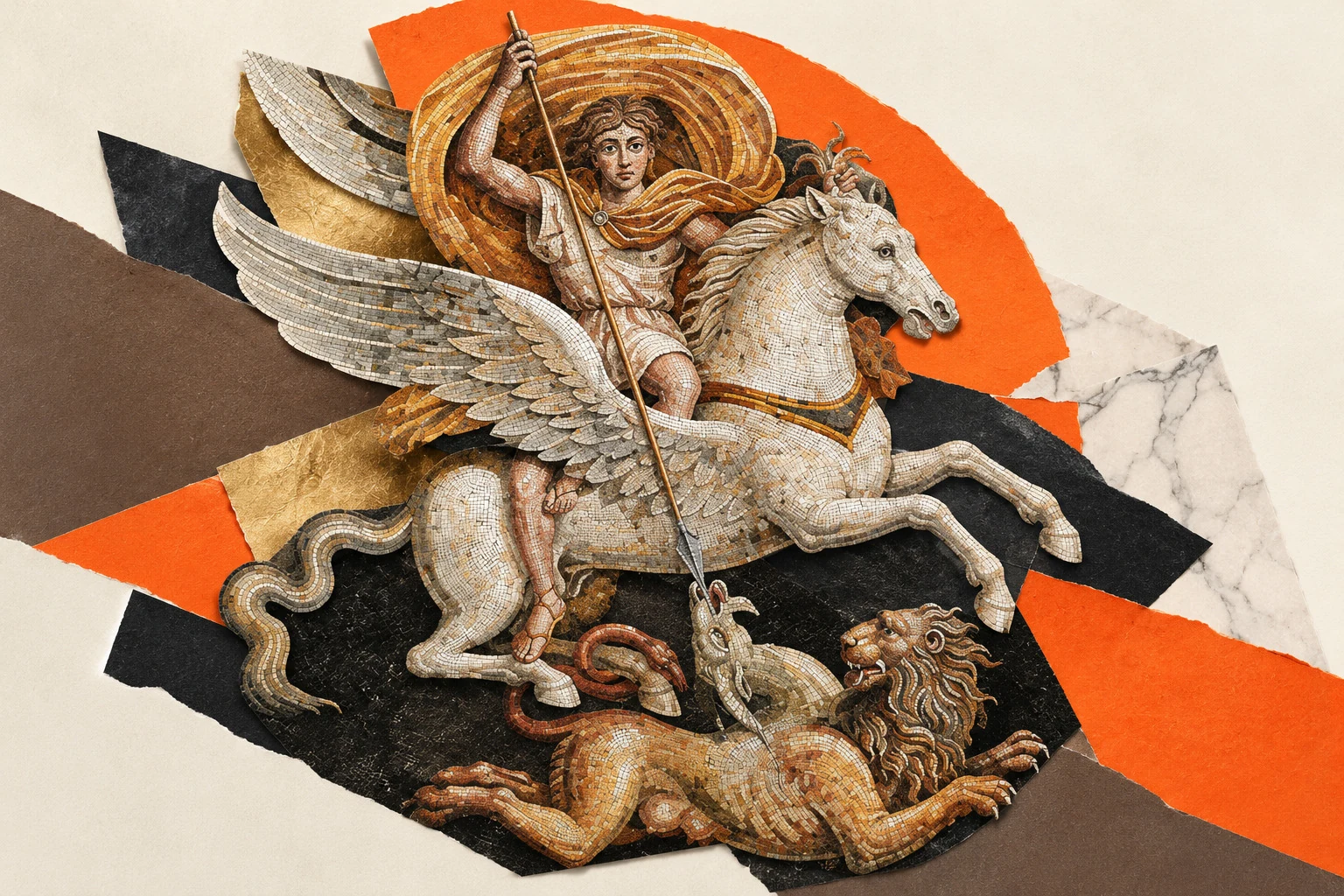
The Chimera: Bellerophon and a fire-breathing monster
A lion at the front, a serpent behind and a goat in the middle: the Chimera combines three animals and adds fire. In the Iliad, Bellerophon is ordered to kill her because the king who sends him expects the…

The Ceryneian Hind: Golden horns and a delicate labour
Heracles's task is to catch the Ceryneian Hind and bring her back alive. That is difficult enough before he considers her owner: Artemis, goddess of the hunt. Killing a sacred deer would turn a successful…
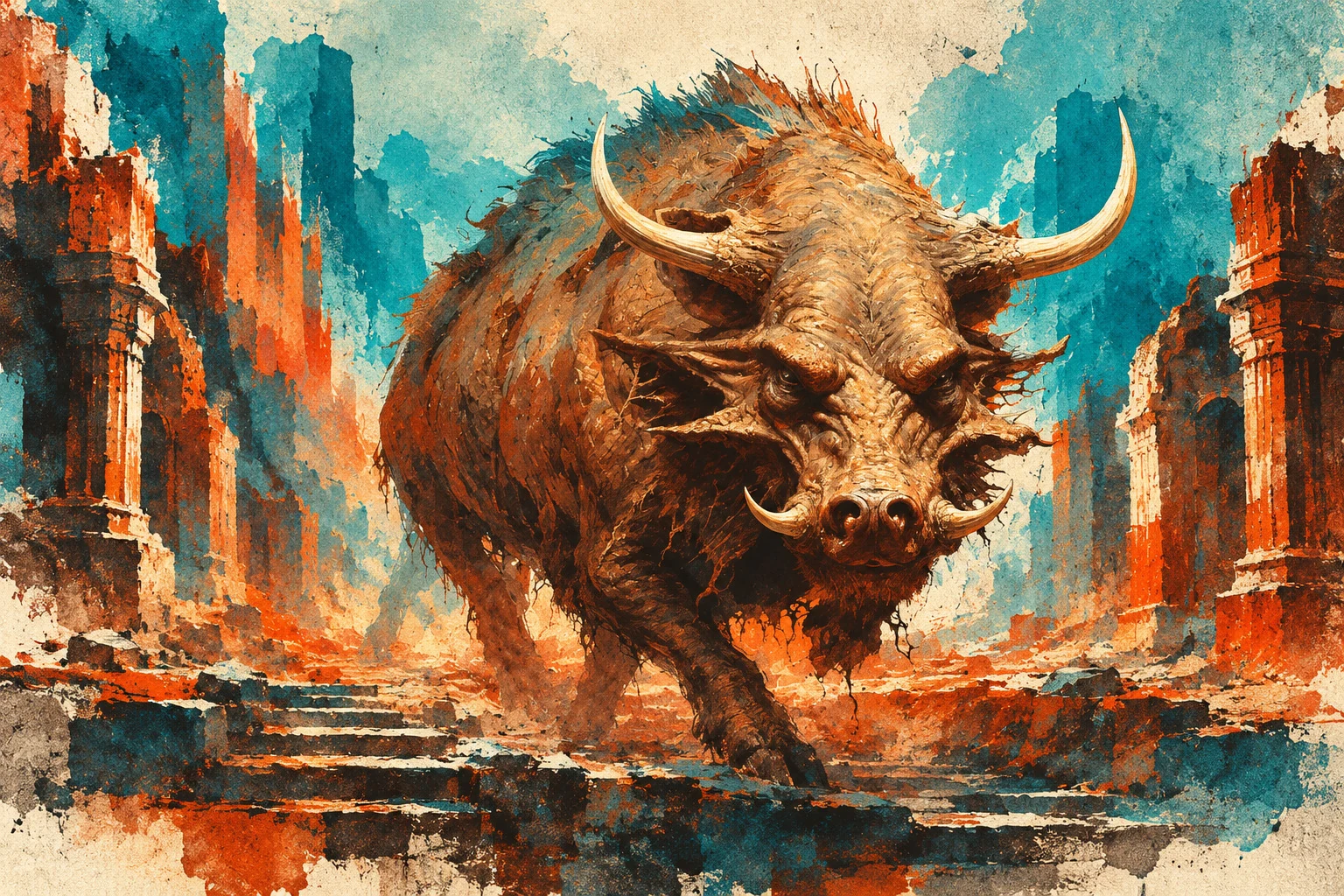
The Calydonian Boar and the heroes who hunted it
Killing the Calydonian Boar ends the destruction of the countryside. It does not end the trouble. The hunters quarrel over the prize, Meleager kills members of his own family, and his mother brings about…
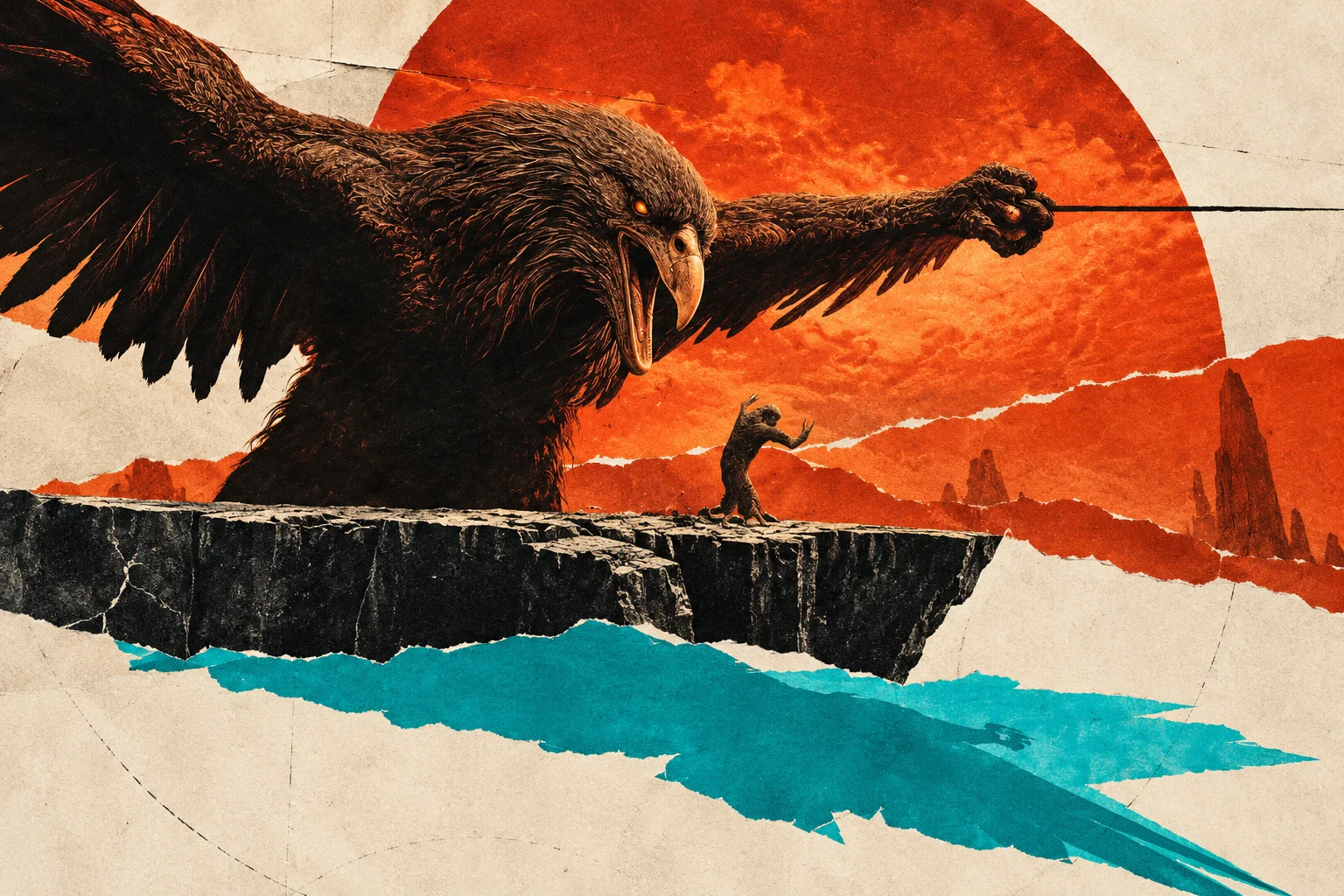
The Caucasian Eagle: Prometheus’s punishment and Heracles’s arrow
Every day an eagle consumes Prometheus's liver; every night it grows back. Immortality makes the punishment repeatable. It takes another visitor, Heracles, to kill the bird and end the ordeal. Theogony 521–534.
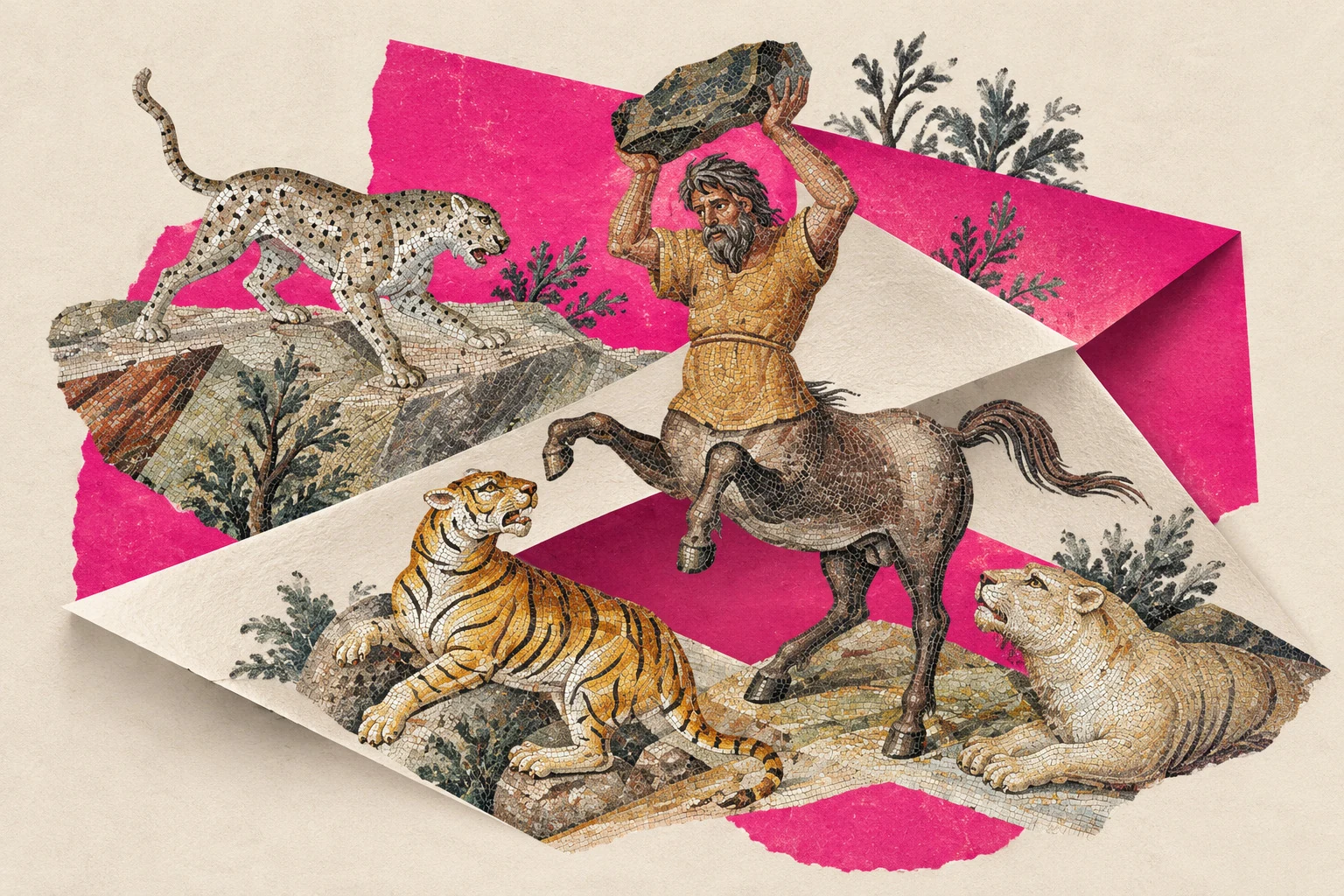
Centaurs in Greek mythology: Chiron, Nessus and the wild herd
A centaur can be a violent wedding guest, a generous host or a teacher trusted with a hero's childhood. The human-and-horse body is recognisable; the behaviour depends on the individual and the story.…
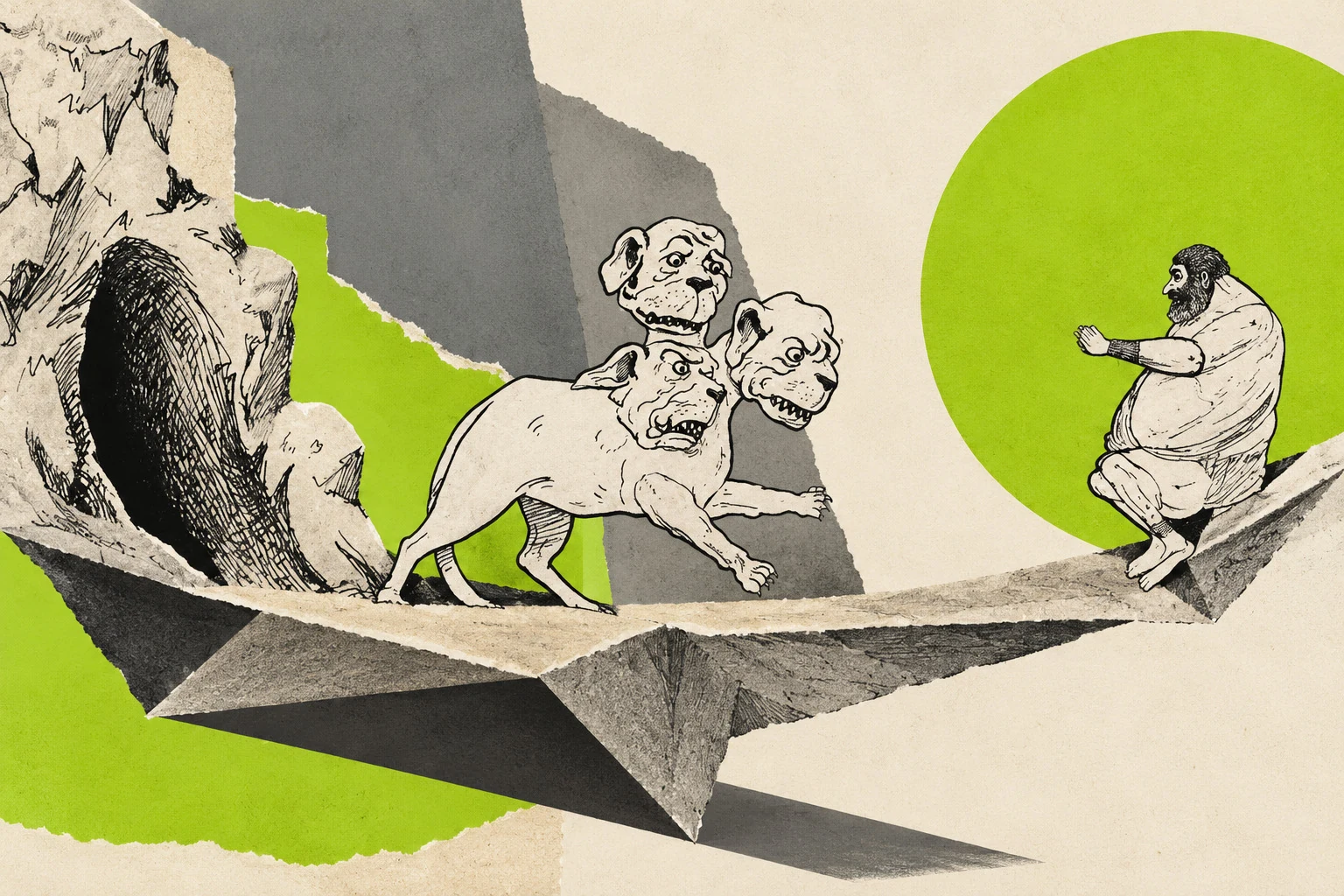
Cerberus: The underworld’s guardian and Heracles’s final labour
Cerberus guards the house of Hades, but Hesiod gives him a particularly cruel way of doing it. He welcomes those who enter with his tail and ears, then attacks anyone he catches trying to leave. Getting in…
Are There Male Sirens In Greek Mythology?
Sirens are known for the songs that lured sailors to their deaths. Their call is usually associated with female figures, but Greek mythology also has a less familiar counterpart: the male Siren.
Movies about the Odyssey: What else to watch alongside Nolan
Compare direct adaptations of Homer’s Odyssey with films inspired by Odysseus’s journey, from Ulysses to O Brother, Where Art Thou?
Are the Greek gods real? Myth, history and faith
Are the Greek gods real? It is a question people have asked for centuries.
Greek mythology chronology: Hesiod’s five ages of humanity
Greek mythology brings together gods, heroes and stories that reach across cultures and centuries.
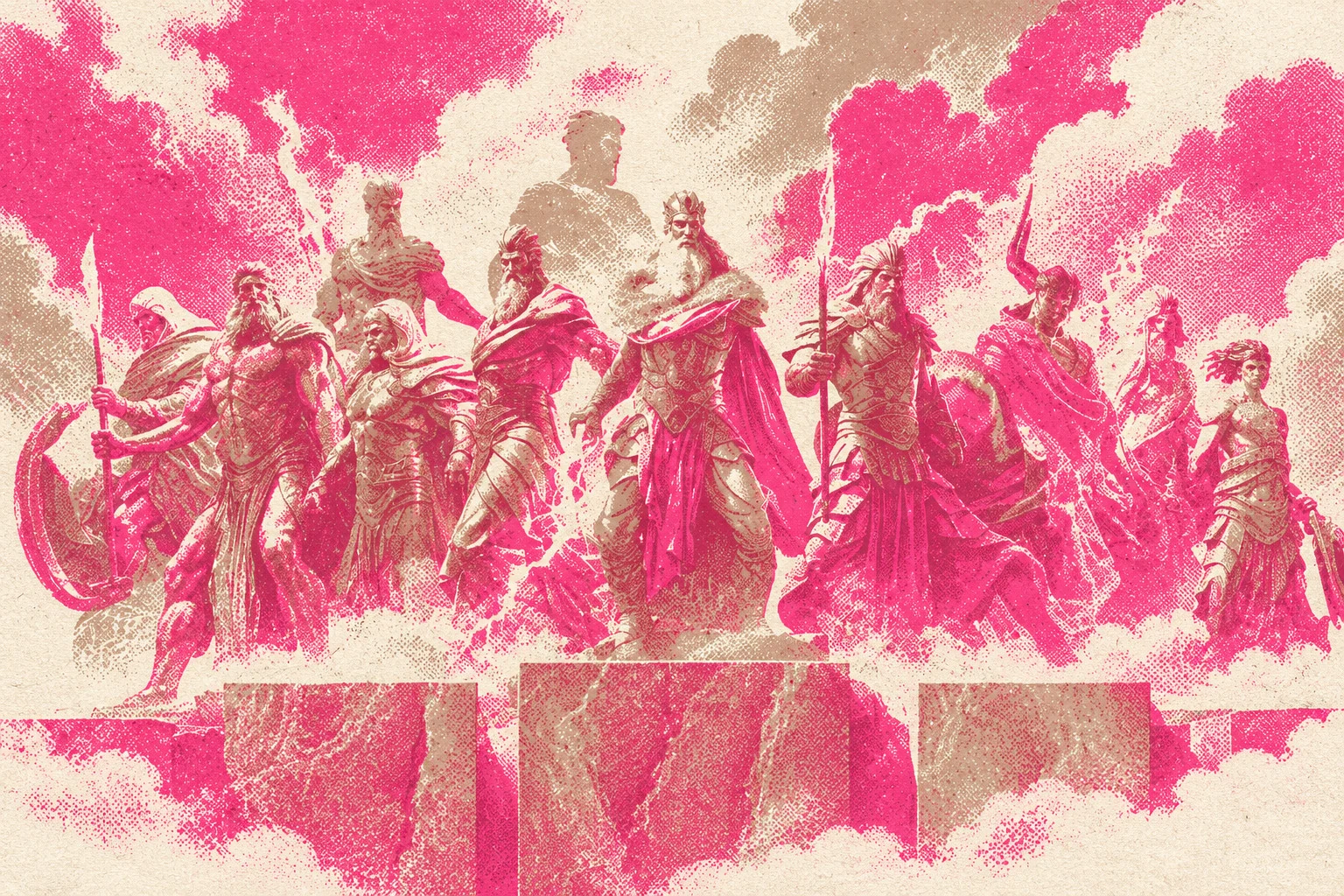
The Twelve Olympian Gods of the Greek Pantheon
The Twelve Olympians sit at the heart of Greek mythology. From Zeus to Aphrodite, each has a distinct role and stories of their own.
Laurel wreath symbolism explained through Greek and Roman history
The laurel wreath’s simple design has represented victory, honour and achievement for thousands of years.
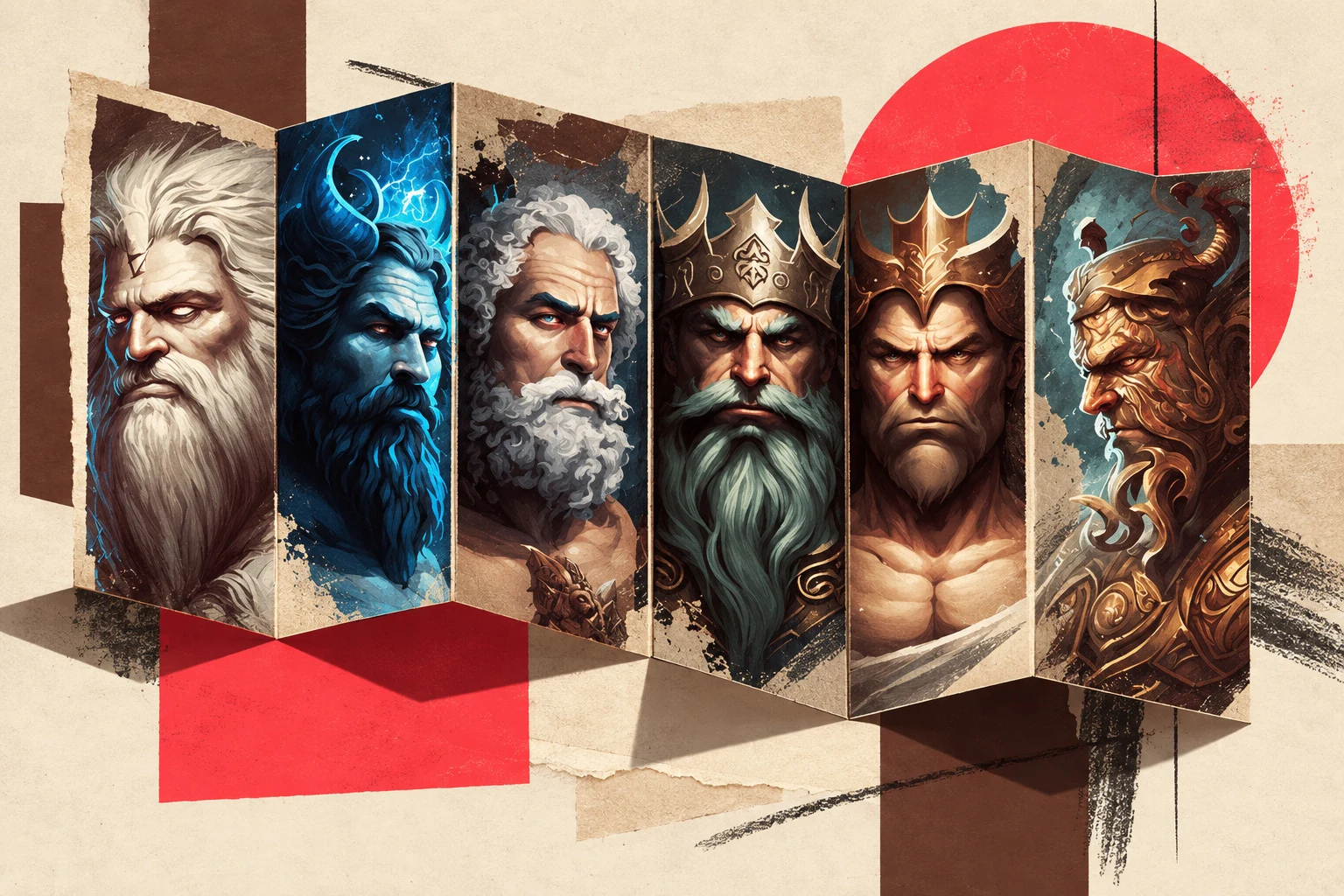
Roman equivalents of Greek gods: A guide to the two pantheons
This table pairs major Greek and Roman gods and goddesses with the domains they govern.
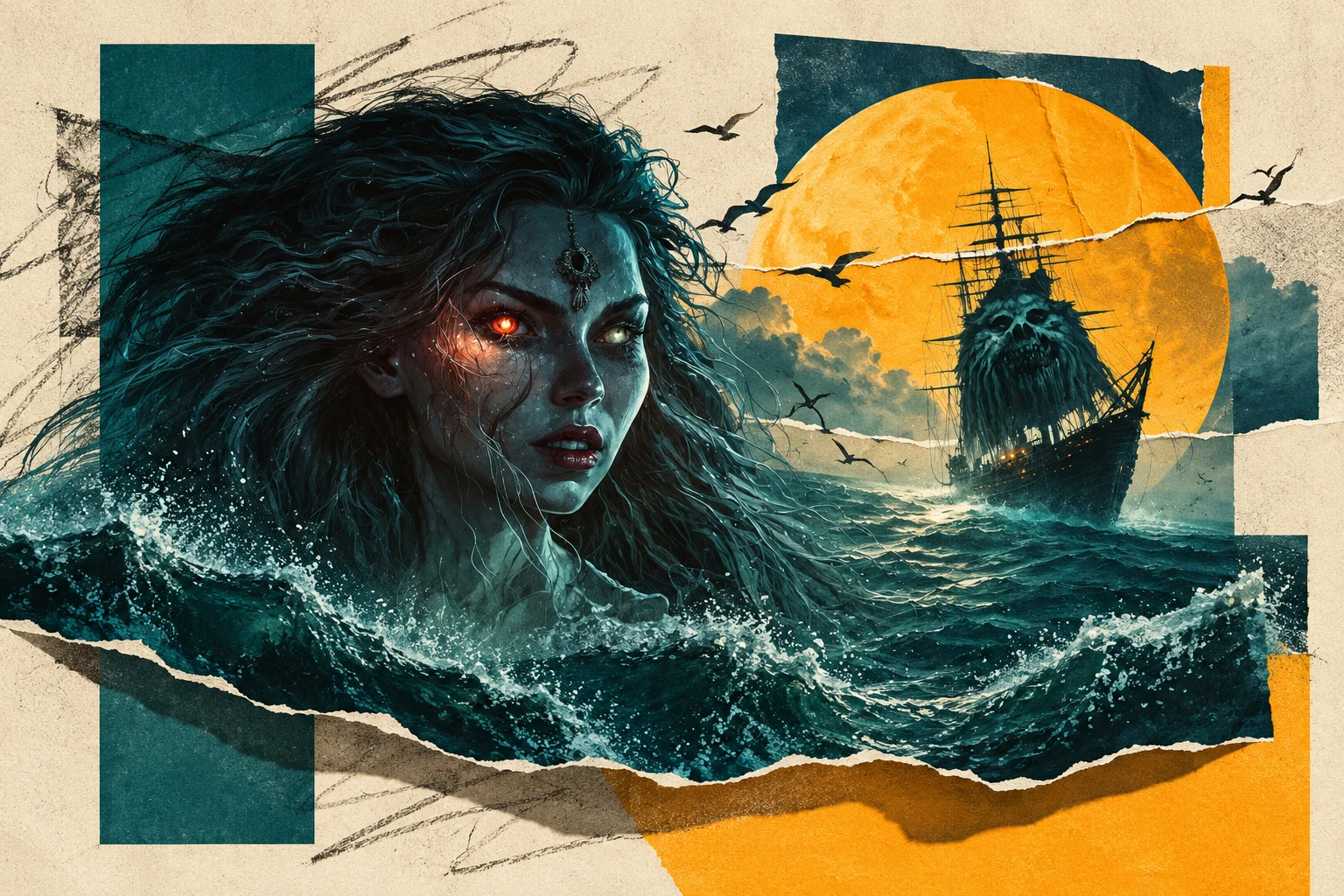
Sirens and mermaids: What is the difference?
Sirens and mermaids are easy to confuse. Both have links to the sea, but they are different mythical creatures.
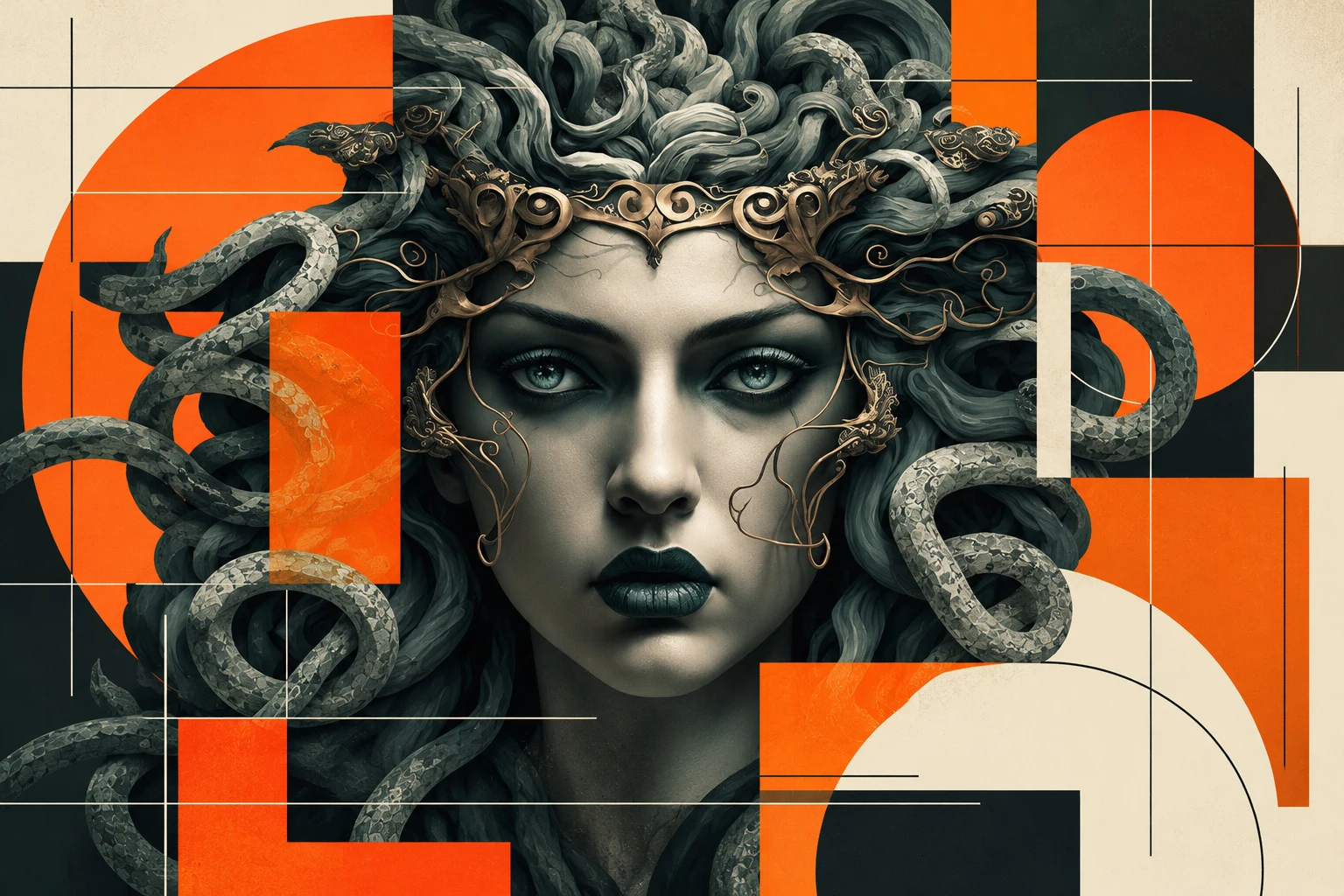
Why did Athena curse Medusa? Punishment and protection
In Ovid’s Roman account, Minerva turns Medusa’s hair into snakes after Neptune assaults her in Minerva’s temple. Other accounts tell the story differently.
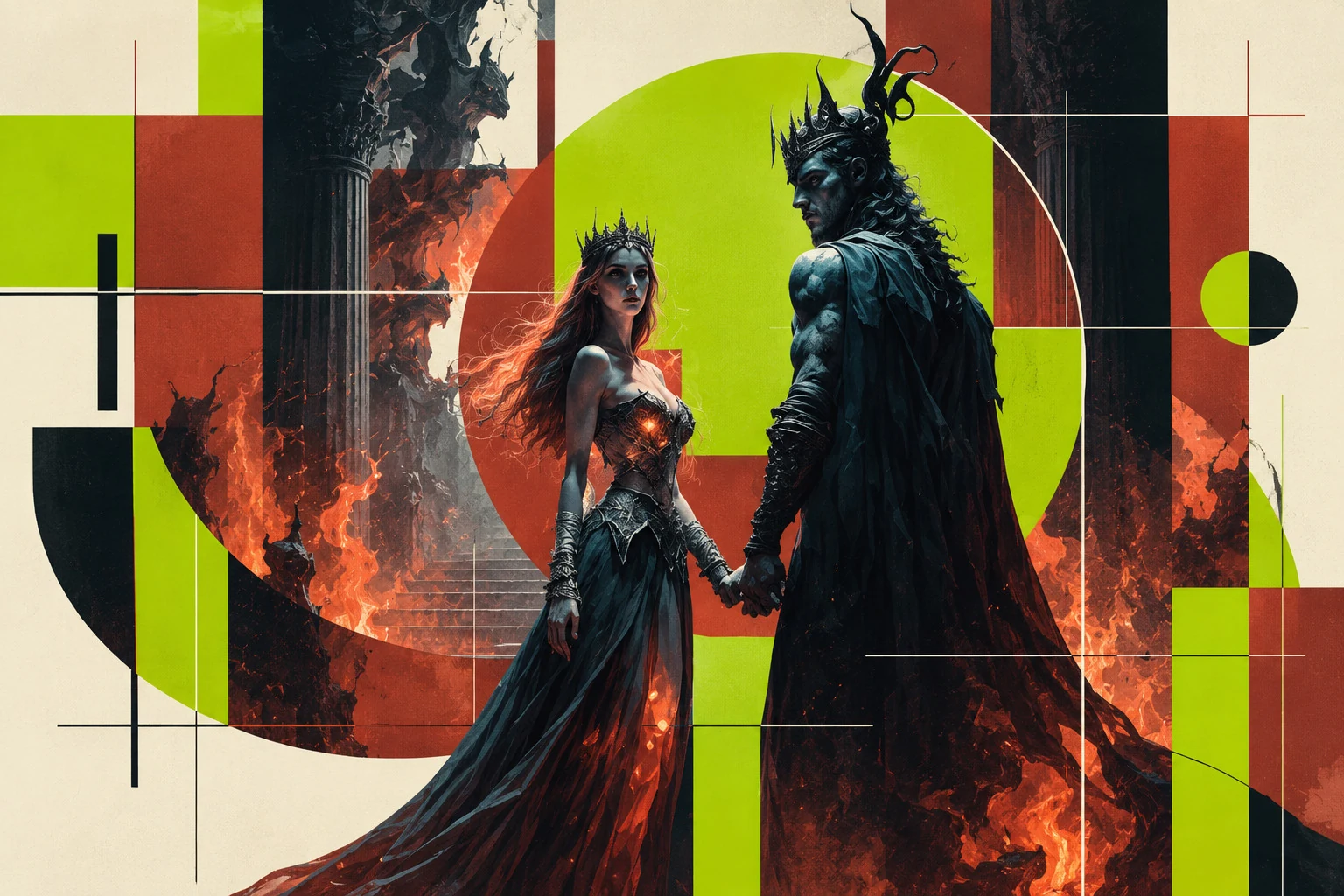
Hades and Persephone’s children: Melinoë, Zagreus and disputed parentage
The Greek goddess Persephone is known for her abduction by Hades and subsequent role as Queen of the Underworld.
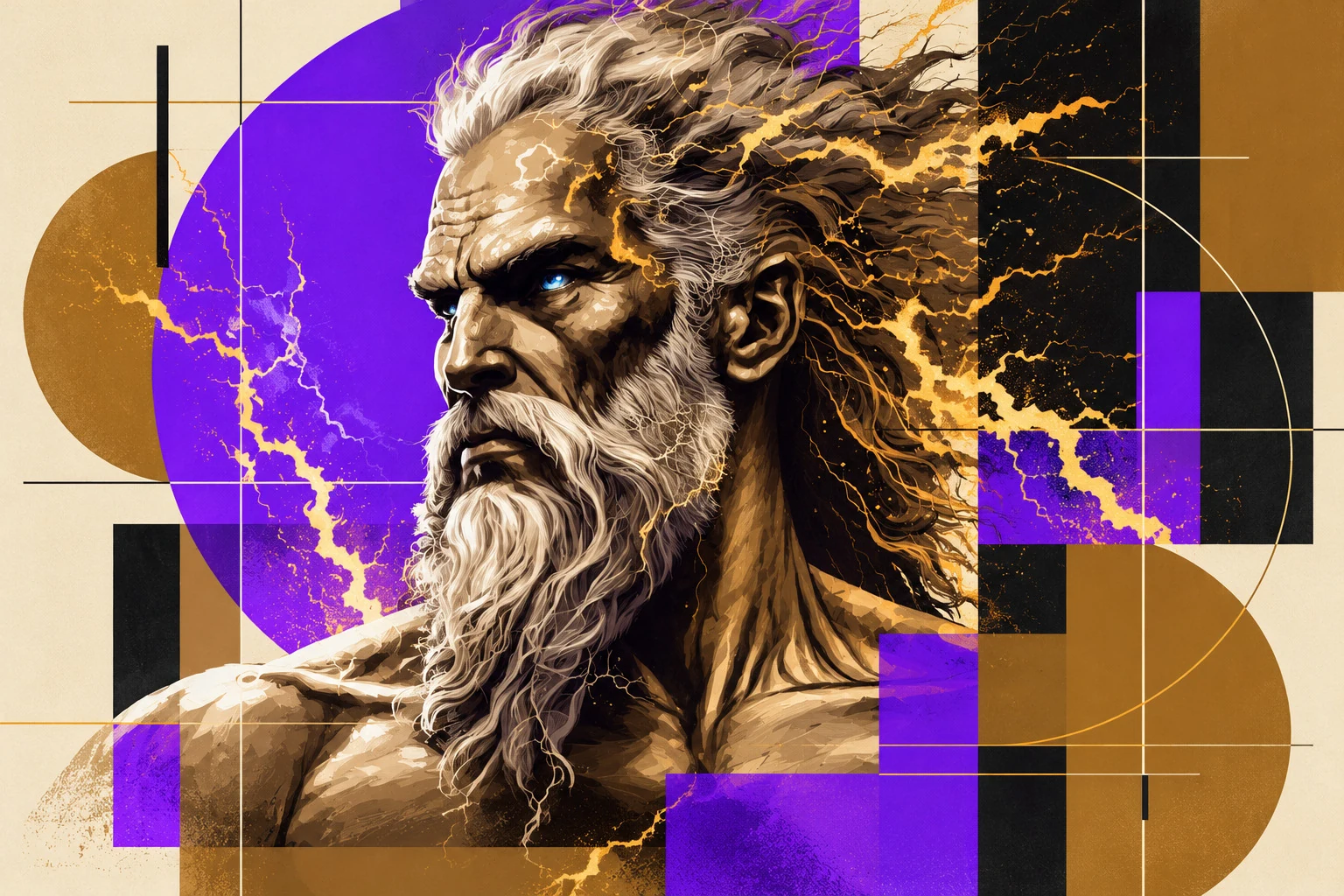
Did Zeus ever die? Immortality and the Cretan tradition
Zeus, king of the gods and ruler of thunder and lightning, is usually portrayed as all-powerful and immortal.
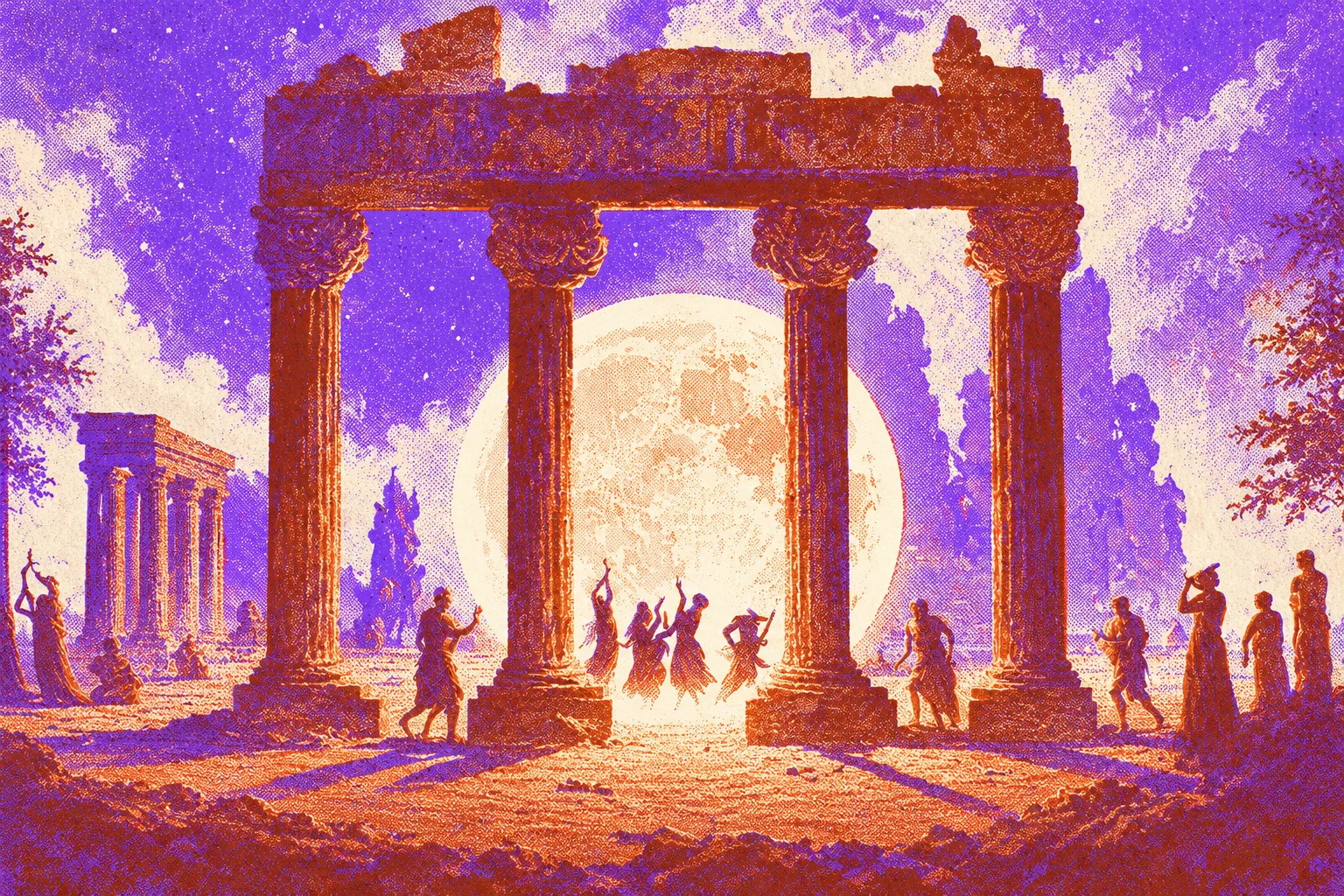
5 Greco-Roman mystery cults and their secretive rituals
Greco-Roman religion reached from the gods of Mount Olympus to the underworld.