The History Hogs archive

All articles

Latest articles

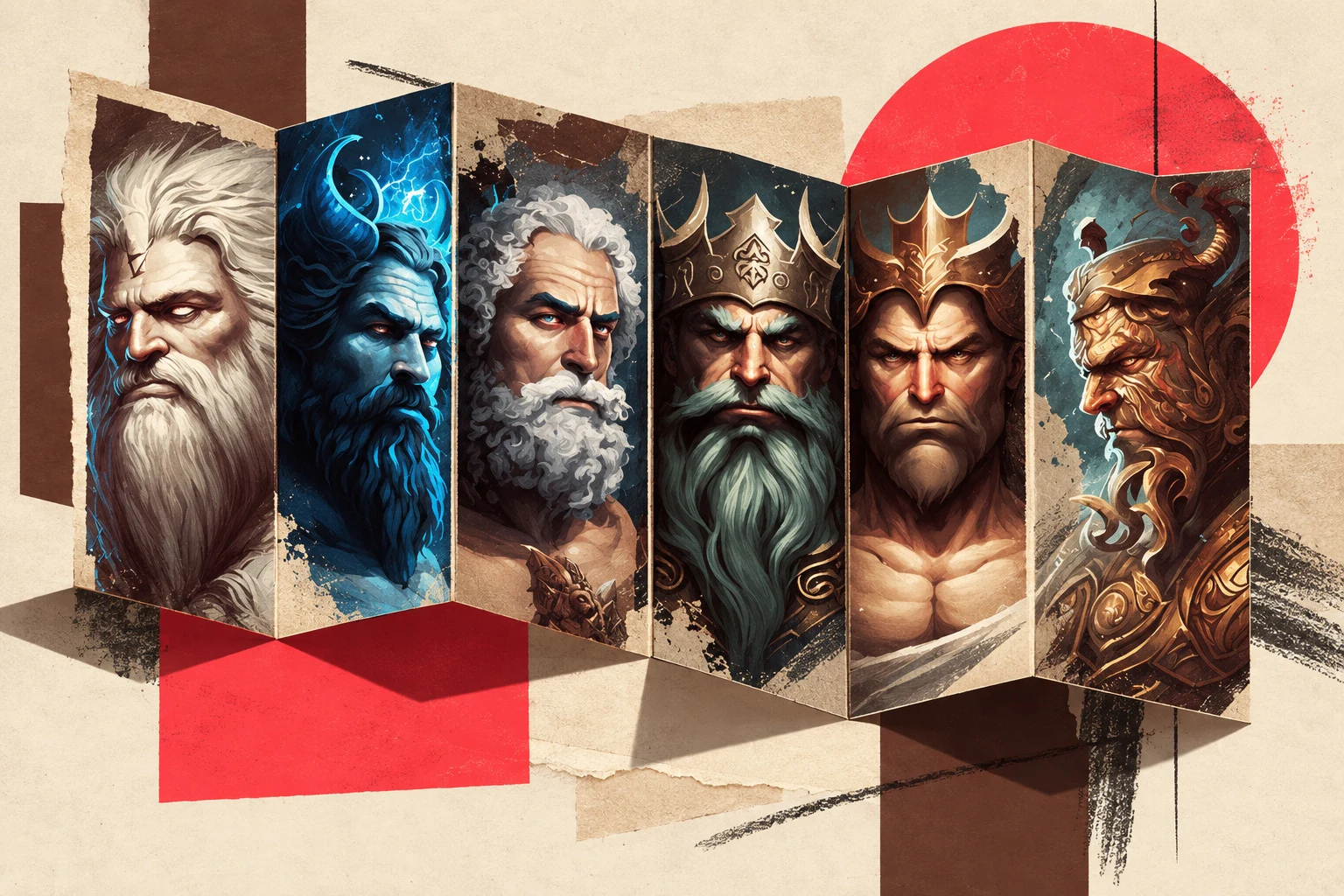
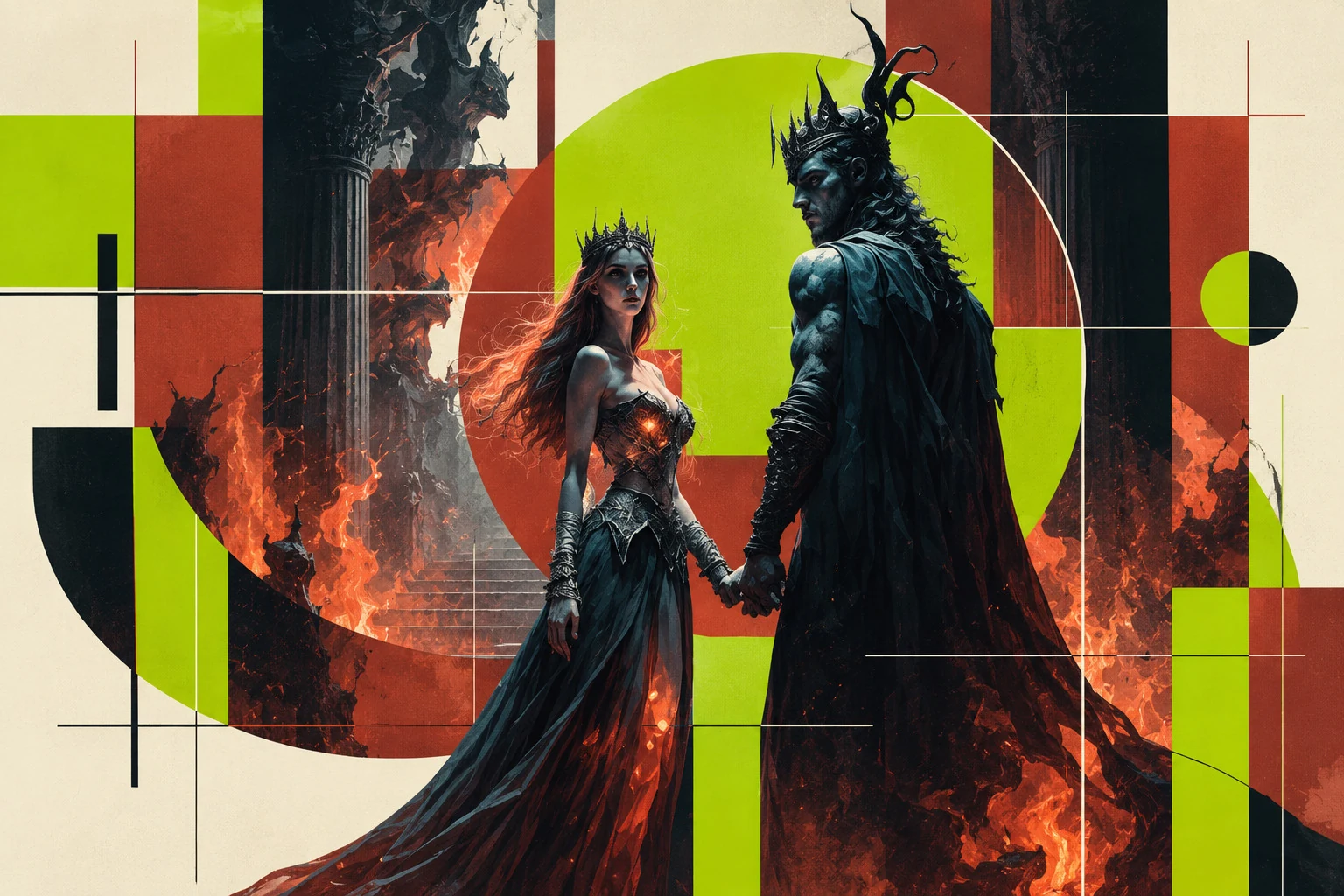
Were the Greek gods evil? Cruelty and morality in myth — editorial illustration

Were the Greek gods evil? Cruelty and morality in myth

Hades abducts Persephone, Ares revels in bloodshed, and Hera pursues Zeus’s lovers and their children. It is easy to see why readers ask whether the Greek gods are evil.

Roman mythology and religion: Gods, rituals and belief — editorial illustration

Roman mythology and religion: Gods, rituals and belief

Roman religion connected stories about the gods with government, social duties and everyday life. Its practices changed as Rome grew from a city with a mythical founding into an empire that adopted…

Who was the Roman goddess Trivia? — editorial illustration

Who was the Roman goddess Trivia?

Trivia ruled the crossroads: the places where Roman roads met and, metaphorically, the decisions people faced in daily life.

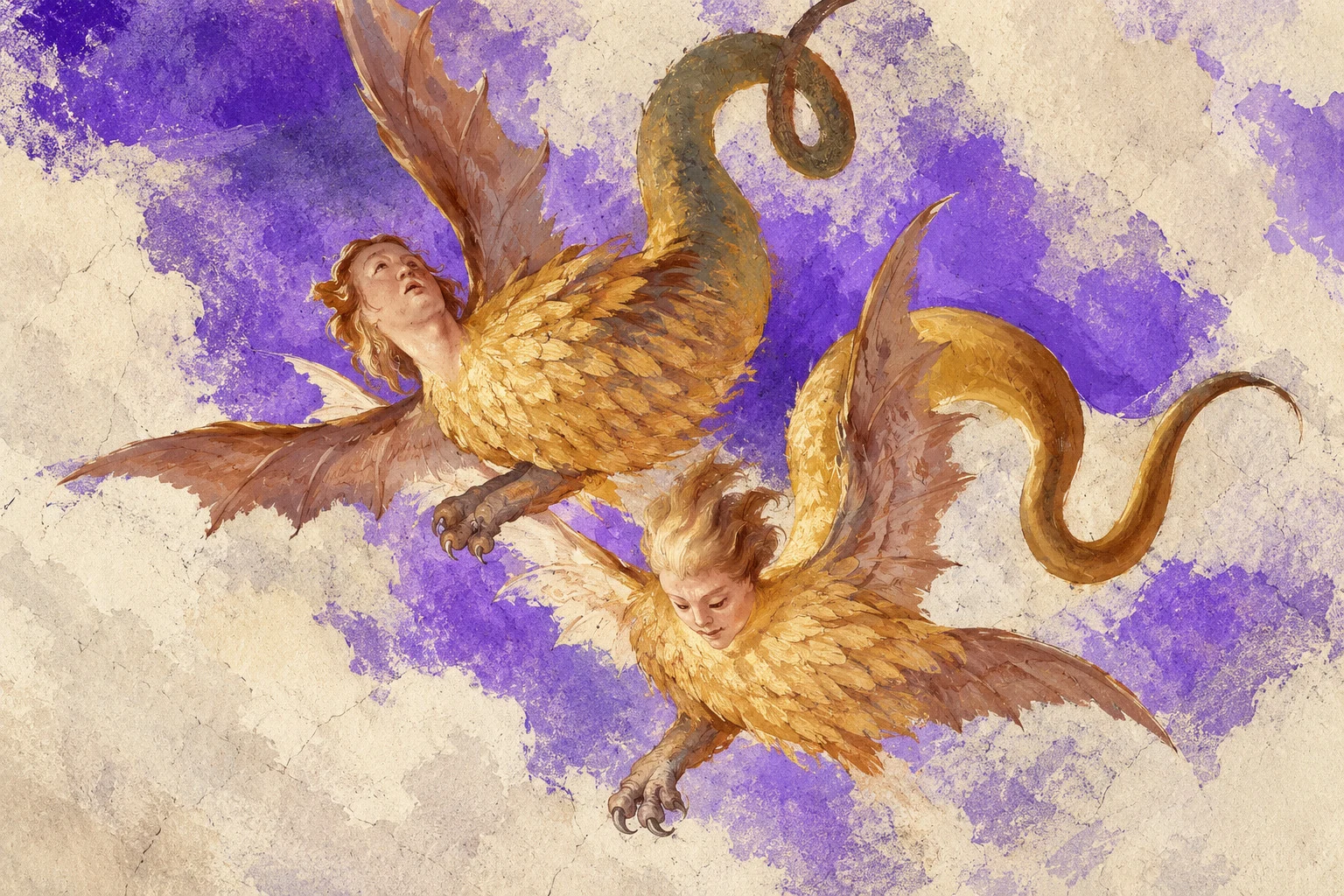
Sirens vs harpies: Songs, wings and different myths — editorial illustration

Sirens vs harpies: Songs, wings and different myths

Sirens and harpies both combine human and bird features, which makes them easy to confuse. In Greek mythology, though, they have different origins, roles and stories.

Greek gods with wings: A guide to winged figures in myth — editorial illustration

Greek gods with wings: A guide to winged figures in myth

Wings appear throughout Greek mythology, from Hermes’s swift-footed journeys to Athena’s keen-eyed presence. Gods, goddesses and heroes wear them, each with stories and symbolism attached to their flight.

The Colossus of Nero and the story behind the statue — editorial illustration

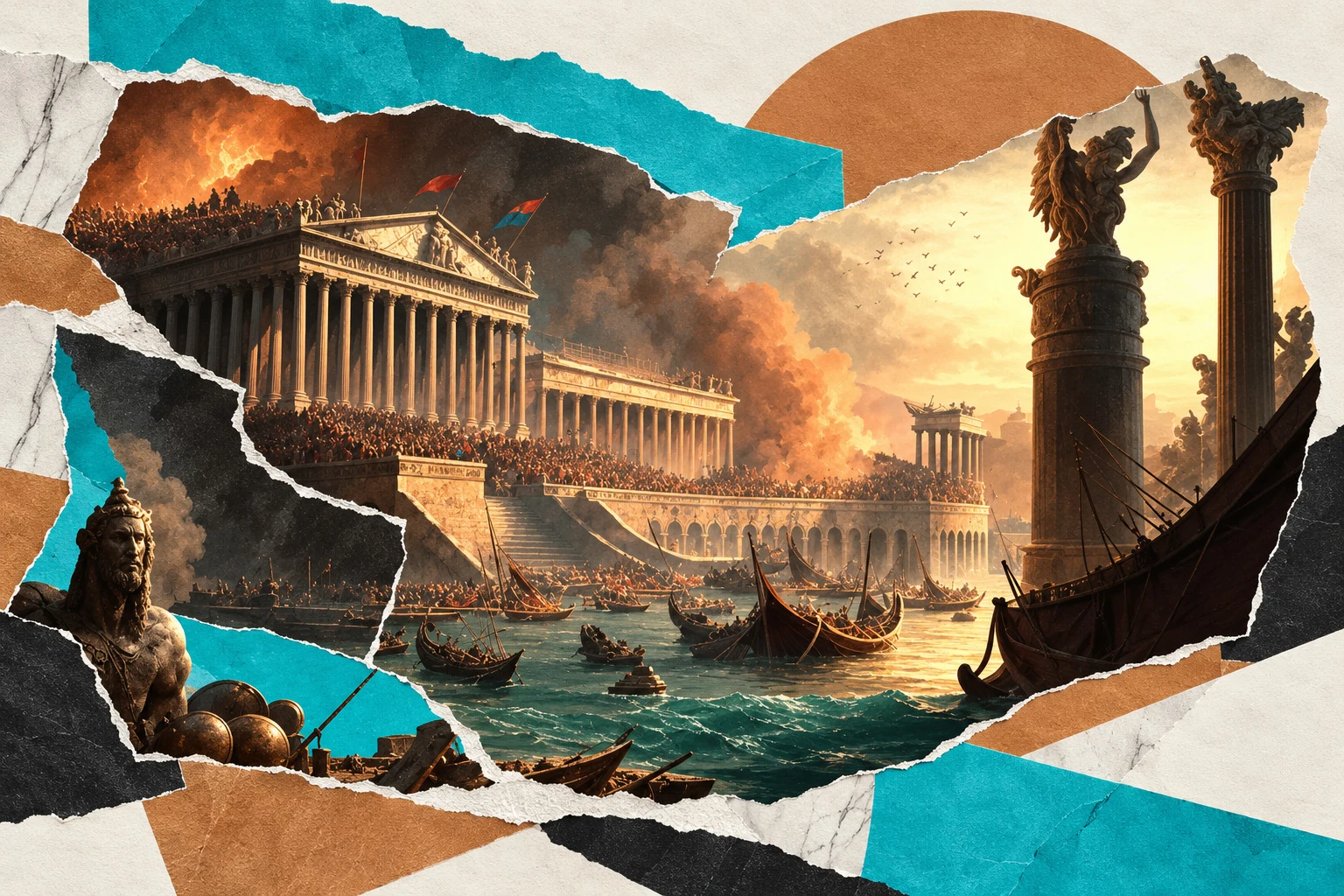
The Colossus of Nero and the story behind the statue

The Colossus of Nero was a 30-metre (98 ft) bronze statue, conceived by the emperor and placed in the vestibule of his Domus Aurea. Nero’s sprawling villa covered several of Rome’s hills; the statue matched…

Monsters of Greek mythology and the heroes who faced them — editorial illustration

Monsters of Greek mythology and the heroes who faced them

Greek mythology gives gods and heroes an extraordinary company of creatures, from towering giants to strange hybrids. These beings have fascinated and frightened audiences for centuries.

Griffins: Origins, gold and the stories behind the winged beast — editorial illustration

Griffins: Origins, gold and the stories behind the winged beast

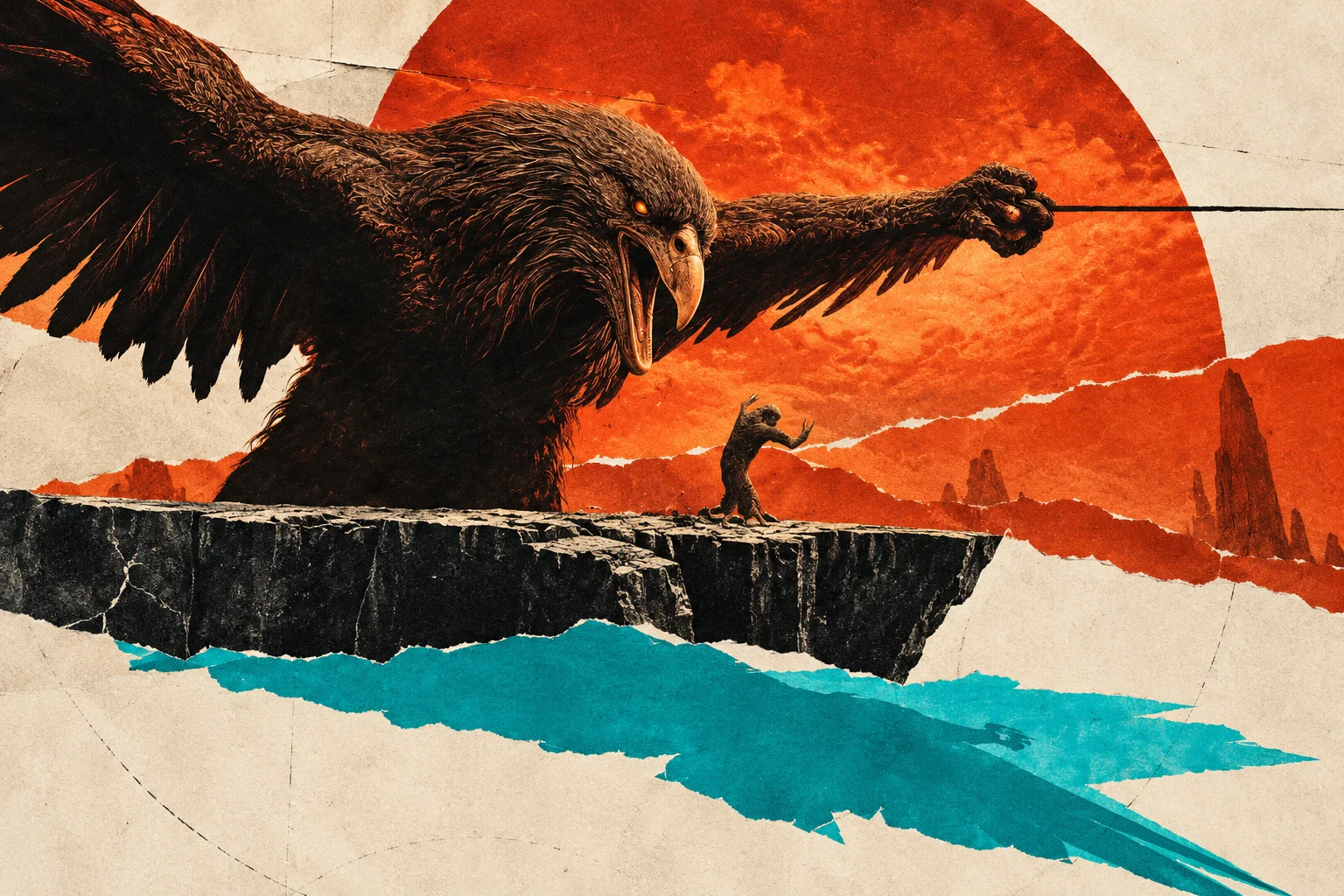
A griffin combines a lion's body with an eagle's head and wings: an awkward animal to meet if you were hoping to steal its gold. Greek writers placed these creatures in distant lands, where treasure was…

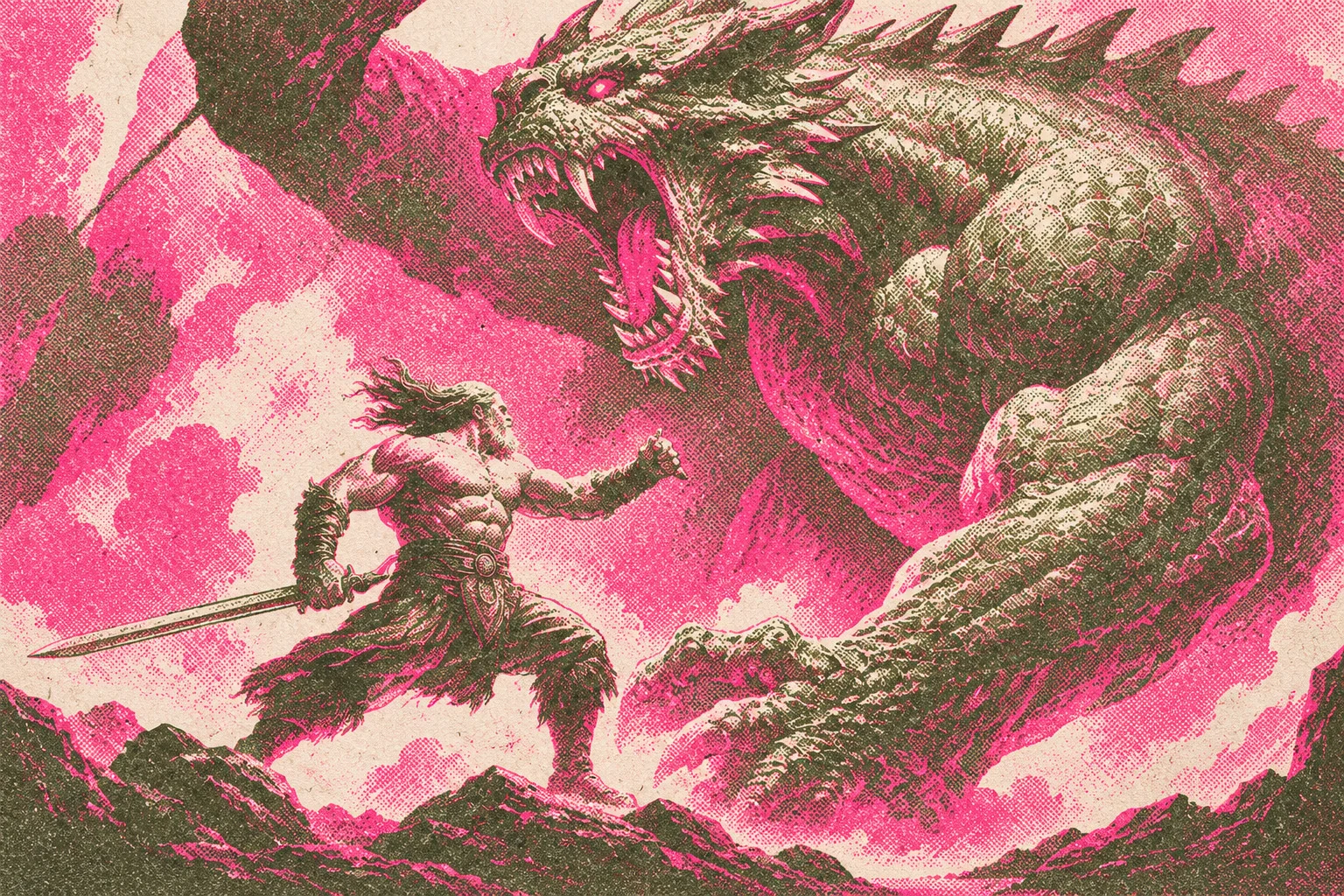
Typhon: The monster who challenged Zeus — editorial illustration

Typhon: The monster who challenged Zeus

Zeus has already defeated the Titans when another challenger appears in Hesiod's Theogony. Typhon brings fire, a hundred snake heads and enough noise to shake the world. For a moment, the poem allows the…

Talos: Crete’s bronze guardian and his fatal weakness — editorial illustration

Talos: Crete’s bronze guardian and his fatal weakness

Talos guards Crete by throwing rocks at unwanted arrivals. His body is bronze, his patrol takes him round the island three times a day, and his life depends on a vulnerable point near his ankle. When the…

The Stymphalian Birds: Heracles and the creatures of the marsh — editorial illustration

The Stymphalian Birds: Heracles and the creatures of the marsh

Heracles cannot solve every problem by walking up to it and hitting it. For the Stymphalian Birds, he first has to get a flock out of the cover around a lake. The solution is noise: bronze rattles supplied…
The Greek Sphinx: Oedipus, the riddle and the road to Thebes — editorial illustration

The Greek Sphinx: Oedipus, the riddle and the road to Thebes

The Sphinx brings Thebes a question with a lethal penalty. Those who cannot answer become her victims; the person who solves it can win the kingdom. Oedipus succeeds, but the reward draws him further into…

Sirens: Odysseus, Orpheus and the stories behind their song — editorial illustration

Sirens: Odysseus, Orpheus and the stories behind their song

The Sirens do not simply offer Odysseus a pleasant song. In the Odyssey, they promise knowledge: they know what happened at Troy and what happens across the world. For a traveller whose own story is bound…

Scylla: Homer’s monster and Ovid’s transformation story — editorial illustration

Scylla: Homer’s monster and Ovid’s transformation story

Passing Scylla is not a victory parade for Odysseus. His ship survives, but six of his companions do not. While the crew watches the danger on the other side of the strait, the monster reaches down and…
Python: Apollo’s serpent at Delphi — editorial illustration

Python: Apollo’s serpent at Delphi

Python is the serpent whose defeat gives Apollo a place at Delphi in Greek myth. But the story changes with the source: a hymn describes a female dragon near a spring, a mythographic account makes Python…
Pegasus: Medusa, Bellerophon and the winged horse — editorial illustration

Pegasus: Medusa, Bellerophon and the winged horse

Pegasus begins life at the moment Medusa loses hers. When Perseus cuts off her head, the winged horse and Chrysaor emerge. Yet Pegasus's best-known rider is Bellerophon, and his place in Hesiod's account is…

Orthrus: The two-headed dog guarding Geryon’s cattle — editorial illustration

Orthrus: The two-headed dog guarding Geryon’s cattle

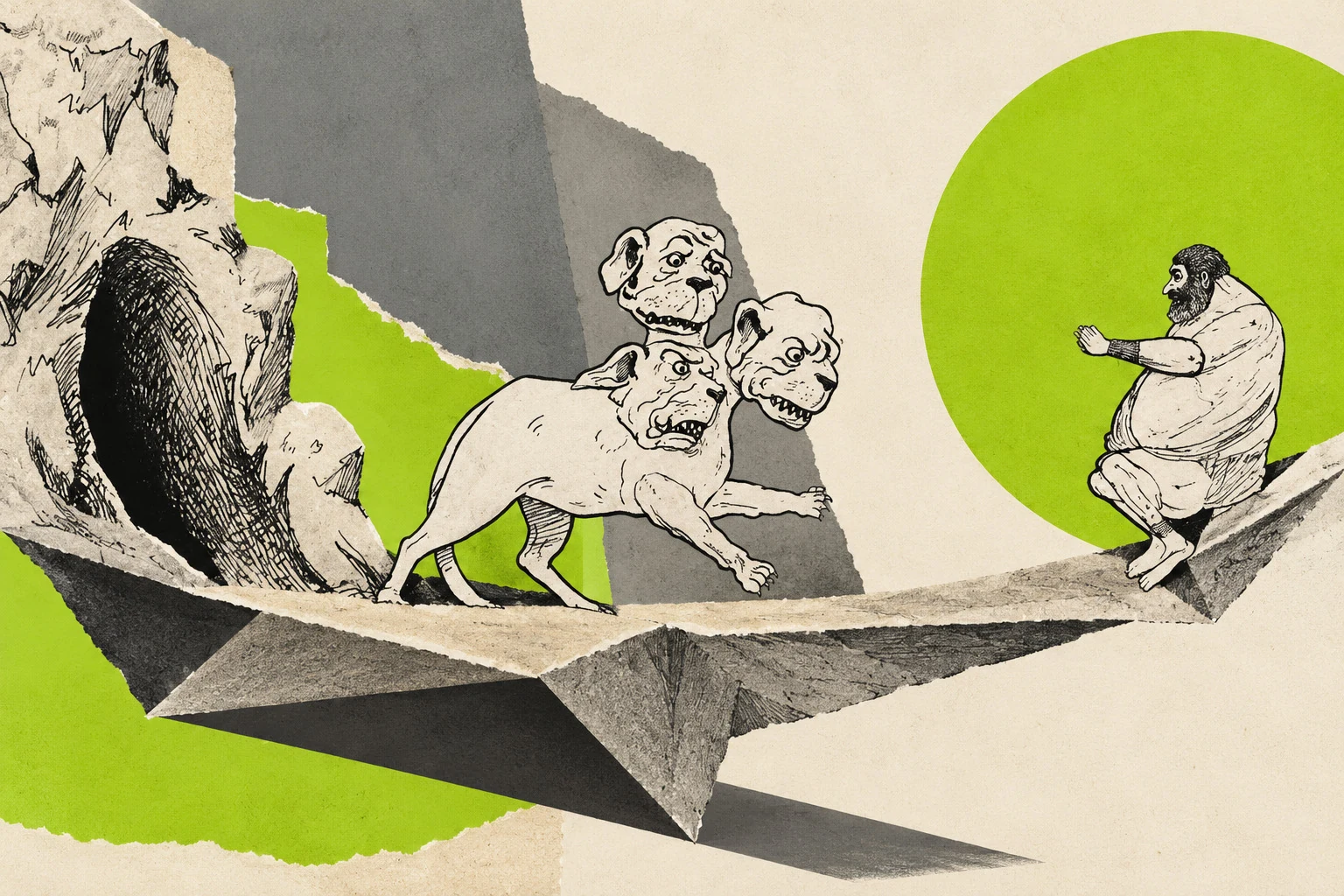
Orthrus, also written Orthus, is the two-headed dog guarding Geryon's cattle. Heracles meets him while carrying out the labour of taking the herd. The dog is doing the job a watchdog is supposed to do:…

The Nemean Lion: A cave, a contest and an unusual victory — editorial illustration

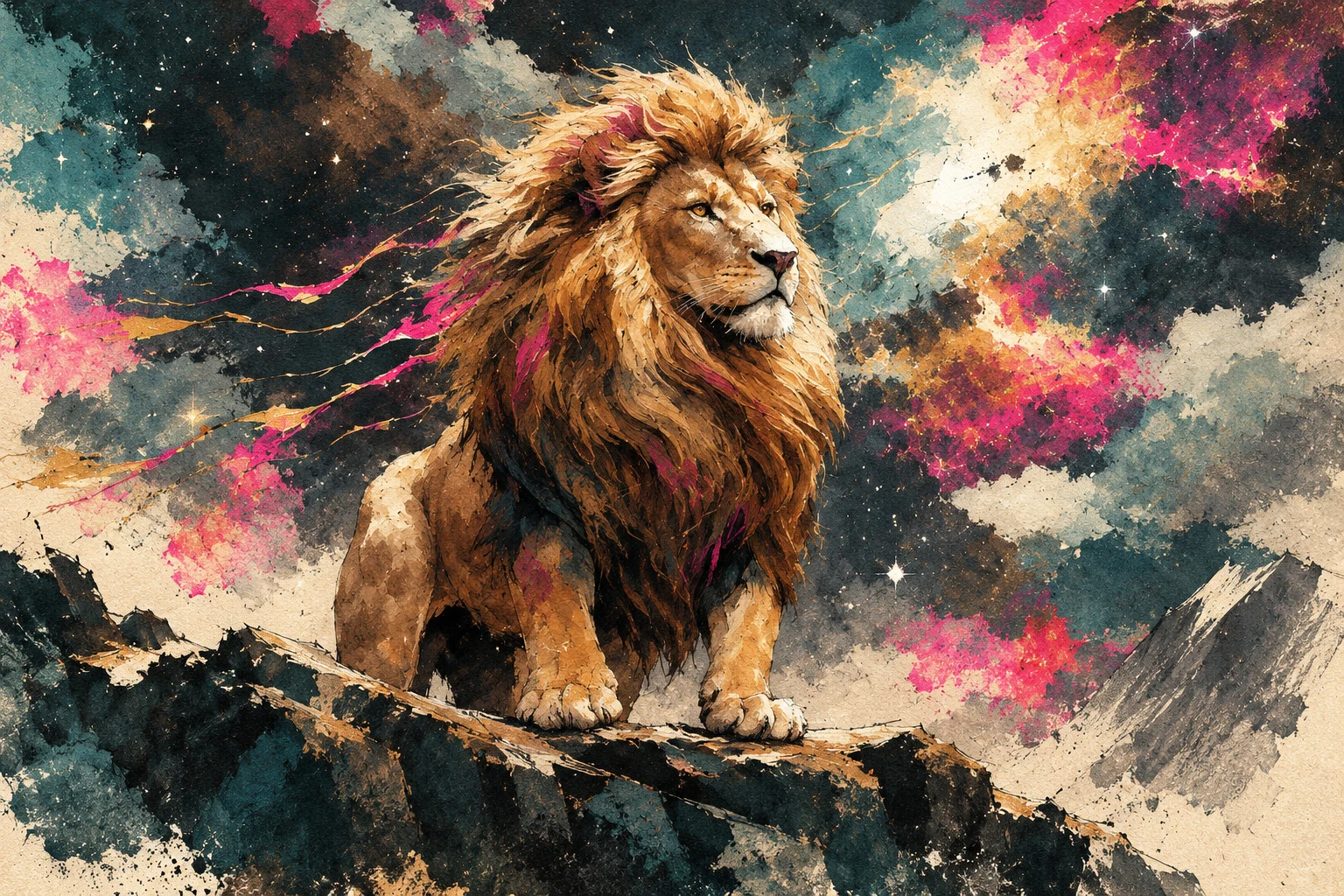
The Nemean Lion: A cave, a contest and an unusual victory

Heracles's first labour begins with a weapon that does not work. The Nemean Lion cannot be pierced by his arrow, so the hero has to change the terms of the fight. An invulnerable hide still leaves a neck…
The Minotaur: Birth, labyrinth and the story of Theseus — editorial illustration

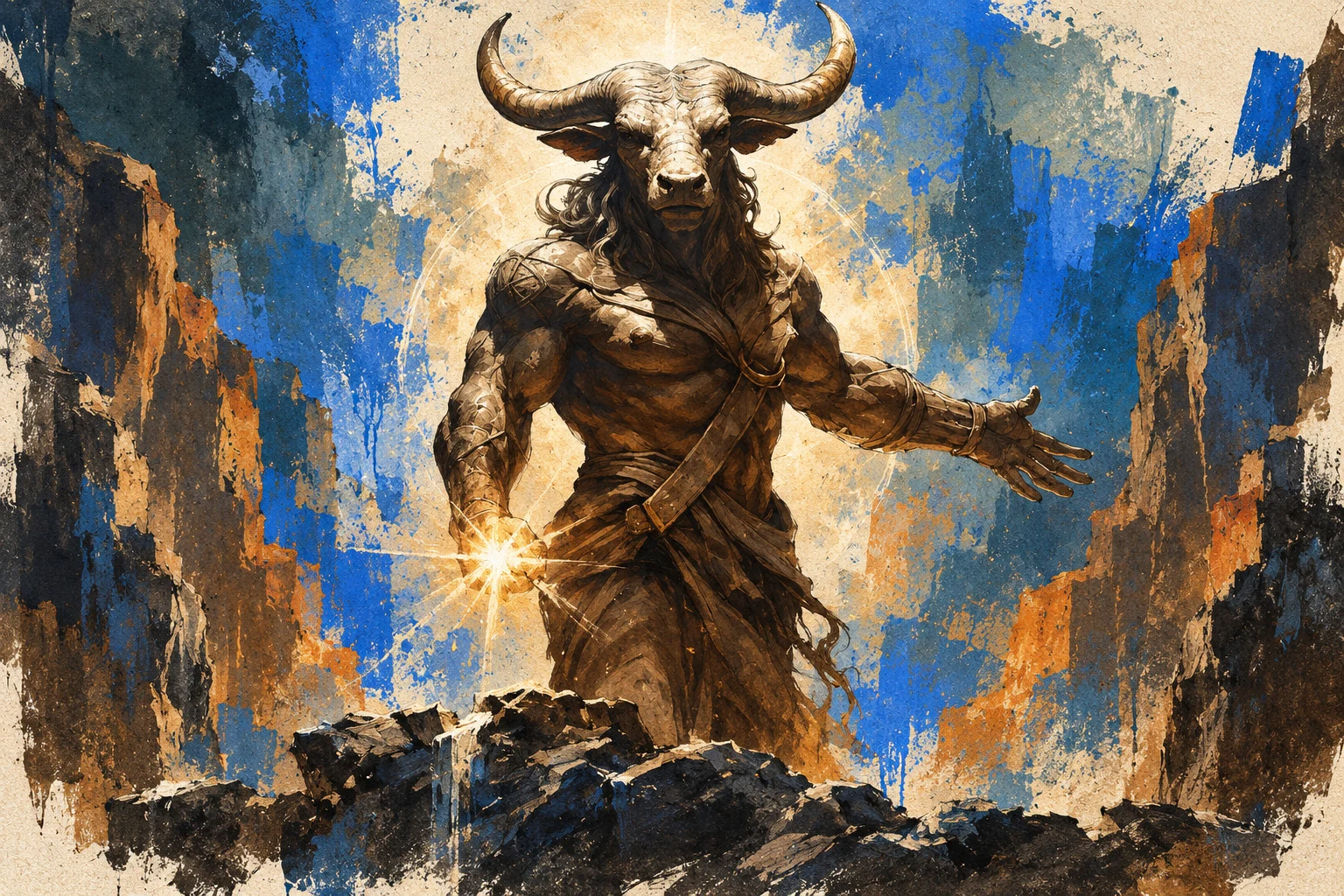
The Minotaur: Birth, labyrinth and the story of Theseus

The Minotaur is the consequence of a promise Minos decides not to keep. Poseidon sends the king a magnificent bull on the understanding that it will be sacrificed. Minos keeps it and offers another animal…
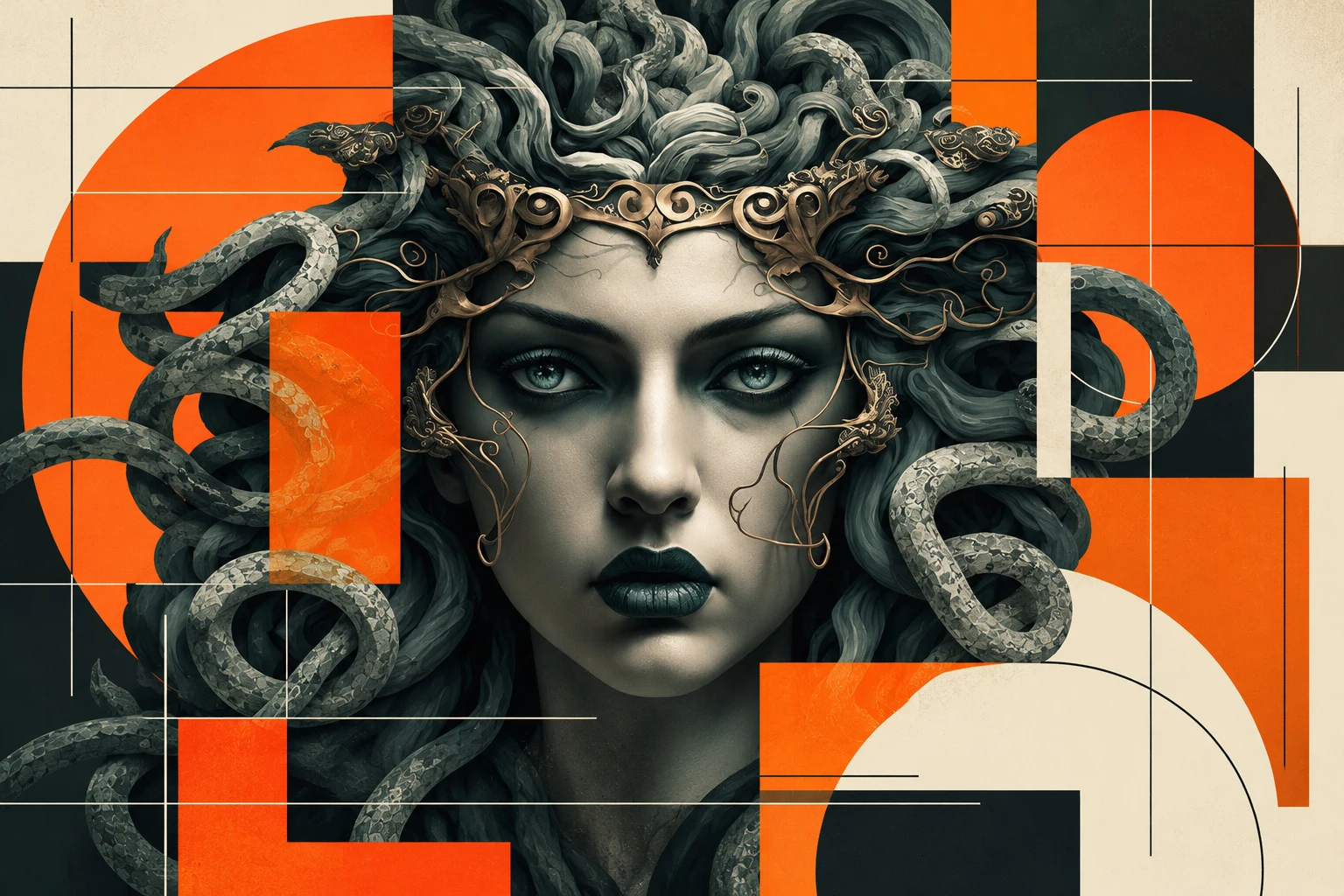
Medusa: Snakes, Perseus and the power of a severed head — editorial illustration

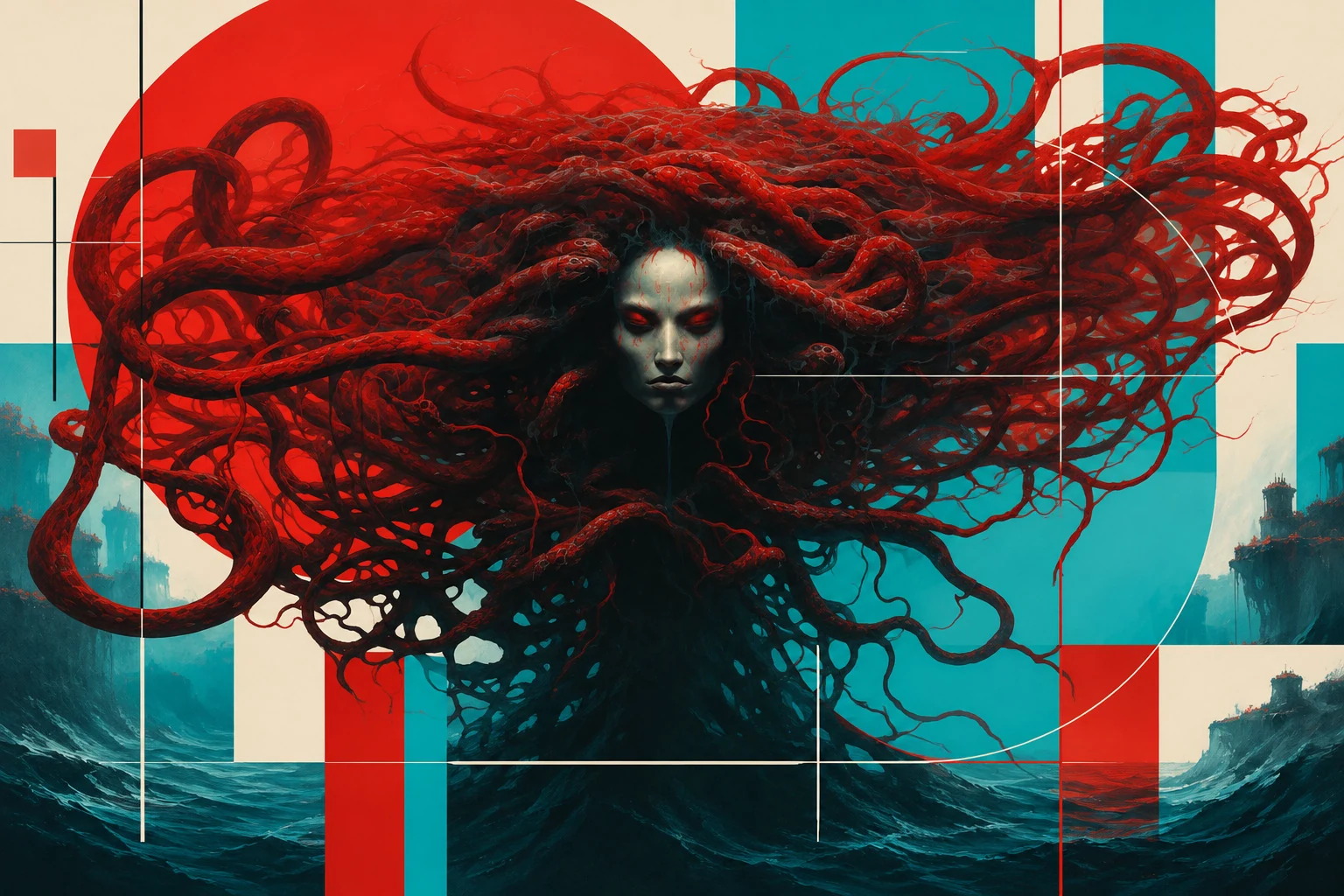
Medusa: Snakes, Perseus and the power of a severed head

There is no single ancient biography of Medusa. In Hesiod she is the mortal member of a family of Gorgons. In a later account, Perseus kills her while she sleeps. In Ovid, her snake hair receives a…

The Teumessian Fox: The beast no hunter could catch — editorial illustration

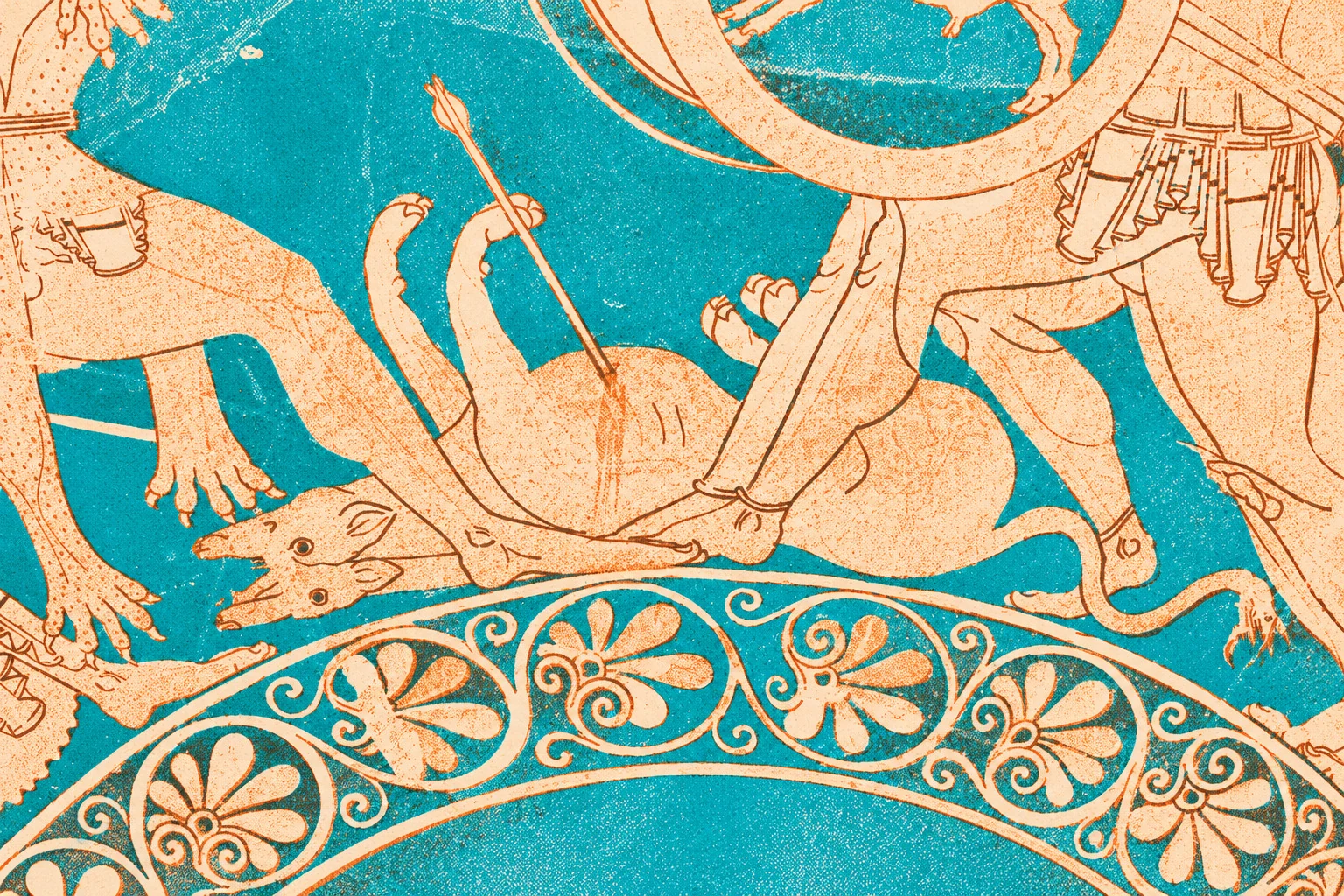
The Teumessian Fox: The beast no hunter could catch

The Teumessian Fox cannot be caught. Laelaps, the hound sent after it, cannot fail to catch its quarry. Put the two in the same chase and a hunting story becomes a problem even extraordinary speed cannot…

Laelaps: The hound that never failed to catch its prey — editorial illustration

Laelaps: The hound that never failed to catch its prey

A dog guaranteed to catch whatever it chases sounds like an ideal gift for a hunter. Laelaps exposes the difficulty with that guarantee: what happens when the quarry is also guaranteed never to be caught?…

The Ismenian Dragon: Cadmus, Ares and the founding of Thebes — editorial illustration

The Ismenian Dragon: Cadmus, Ares and the founding of Thebes

Cadmus kills the dragon blocking a sacred spring, but the victory does not simply clear the ground for Thebes. The monster's teeth grow into armed men, and its connection with Ares leaves the founder owing…

Hydra in Greek mythology: Heads, venom and a disputed labour — editorial illustration

Hydra in Greek mythology: Heads, venom and a disputed labour

Cutting off a Hydra head makes the problem worse: two grow in its place. Heracles needs more than strength to defeat the creature at Lerna, and more than his own pair of hands. Iolaus supplies the…

Ladon: The dragon guarding the golden apples — editorial illustration

Ladon: The dragon guarding the golden apples

Golden apples are a suitable prize for a hero only if getting them is difficult. Their dragon guardian supplies that difficulty. The creature usually called Ladon watches the tree alongside the Hesperides,…

Harpies: From the Argonauts’ voyage to the story of Aeneas — editorial illustration

Harpies: From the Argonauts’ voyage to the story of Aeneas

Phineus has food within reach, but cannot enjoy a meal. The Harpies swoop down to snatch it, leaving what remains so foul that eating becomes another torment. In Apollonius's Argonautica, rescuing the old…

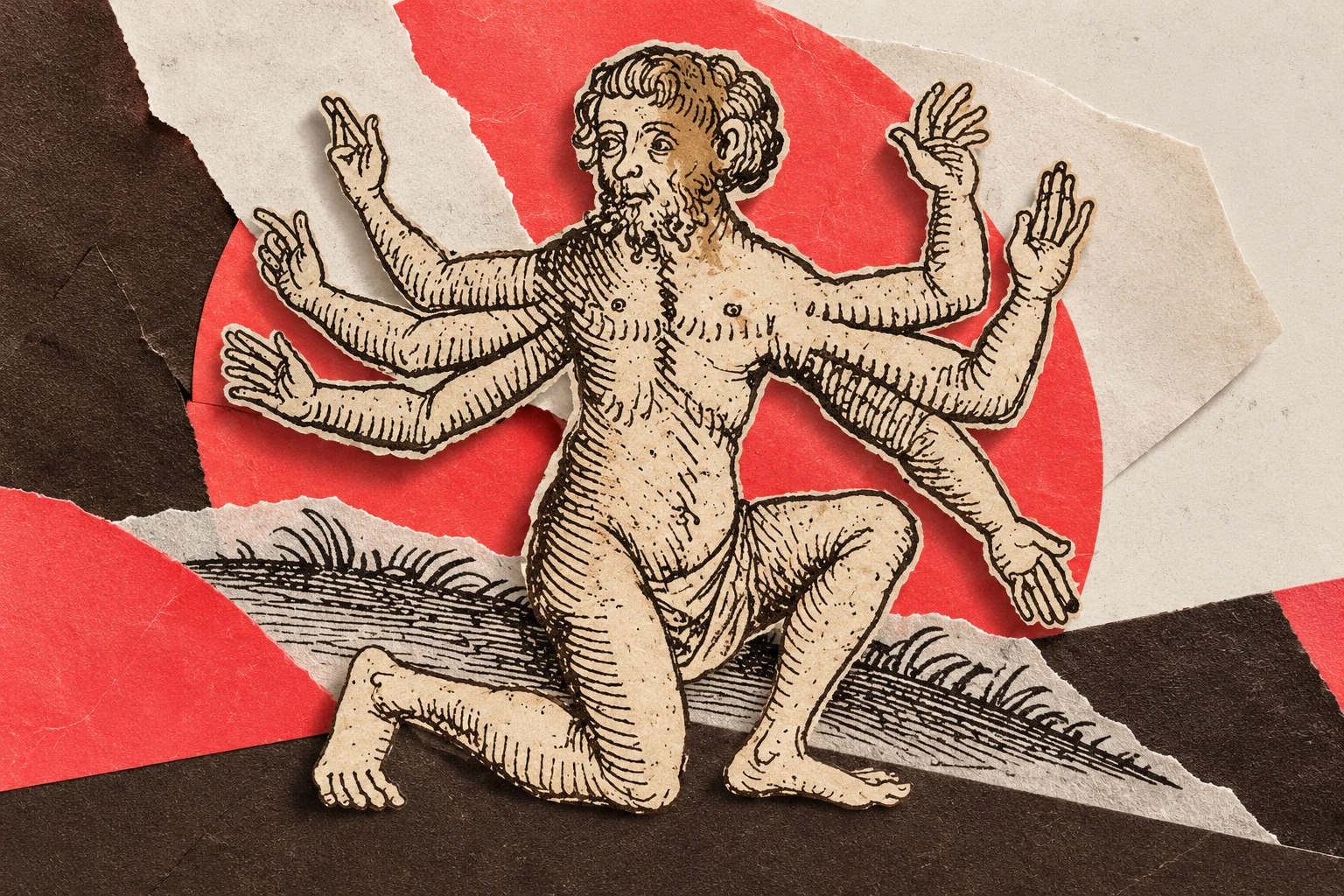
Gegenees: The six-armed giants who attacked the Argonauts — editorial illustration

Gegenees: The six-armed giants who attacked the Argonauts

The Gegenees attack the Argonauts where a ship is most vulnerable: trapped inside a harbour. They try to block the exit with rocks, leaving the crew to fight for a route back to the sea. Each attacker has…

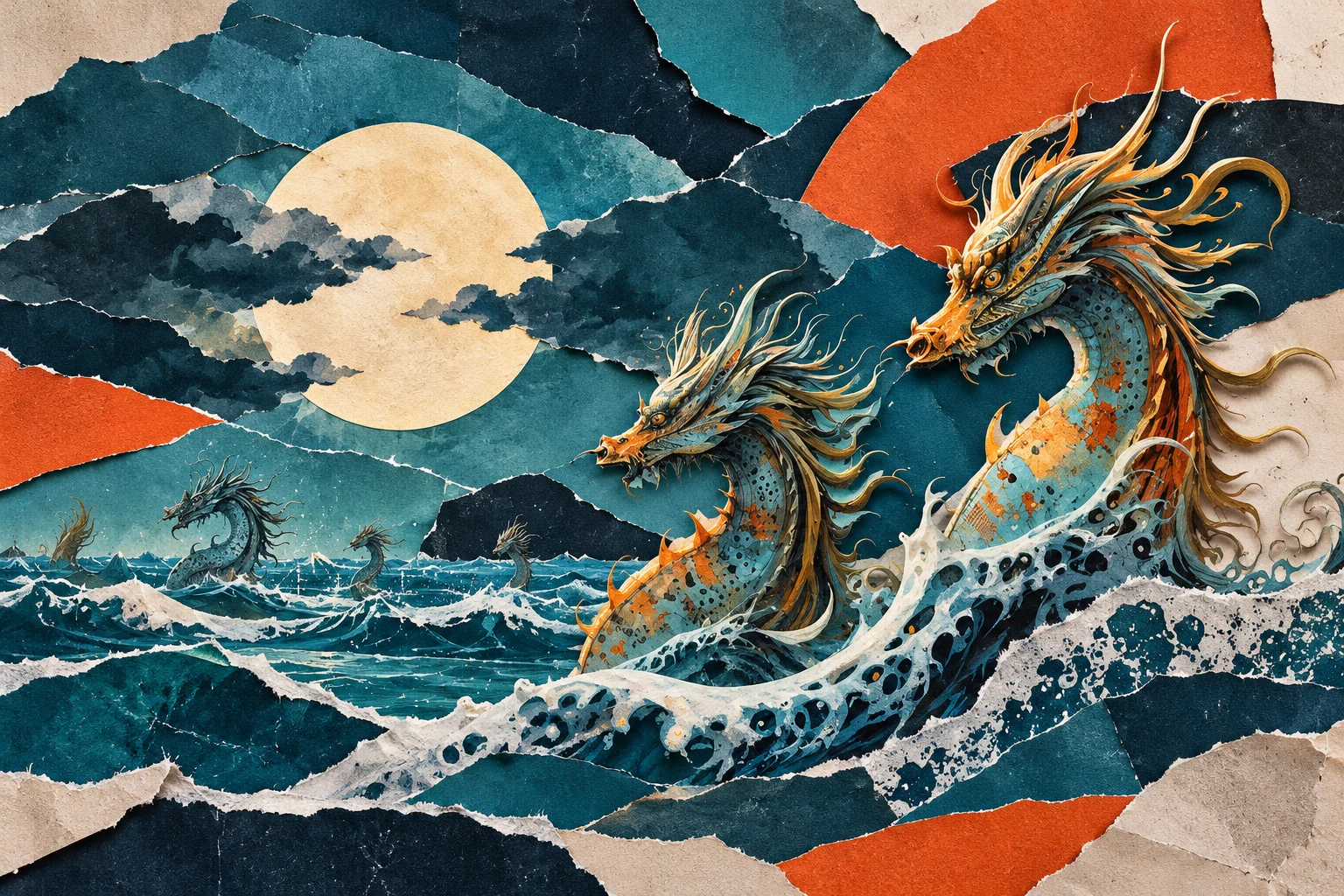
Ketea: The sea monsters of Greek mythology — editorial illustration

Ketea: The sea monsters of Greek mythology

Greek sea monsters make the shore a dangerous place to stand. In two famous rescue stories, a king's offence puts his daughter within reach of a creature sent from the sea. Perseus saves Andromeda; Heracles…

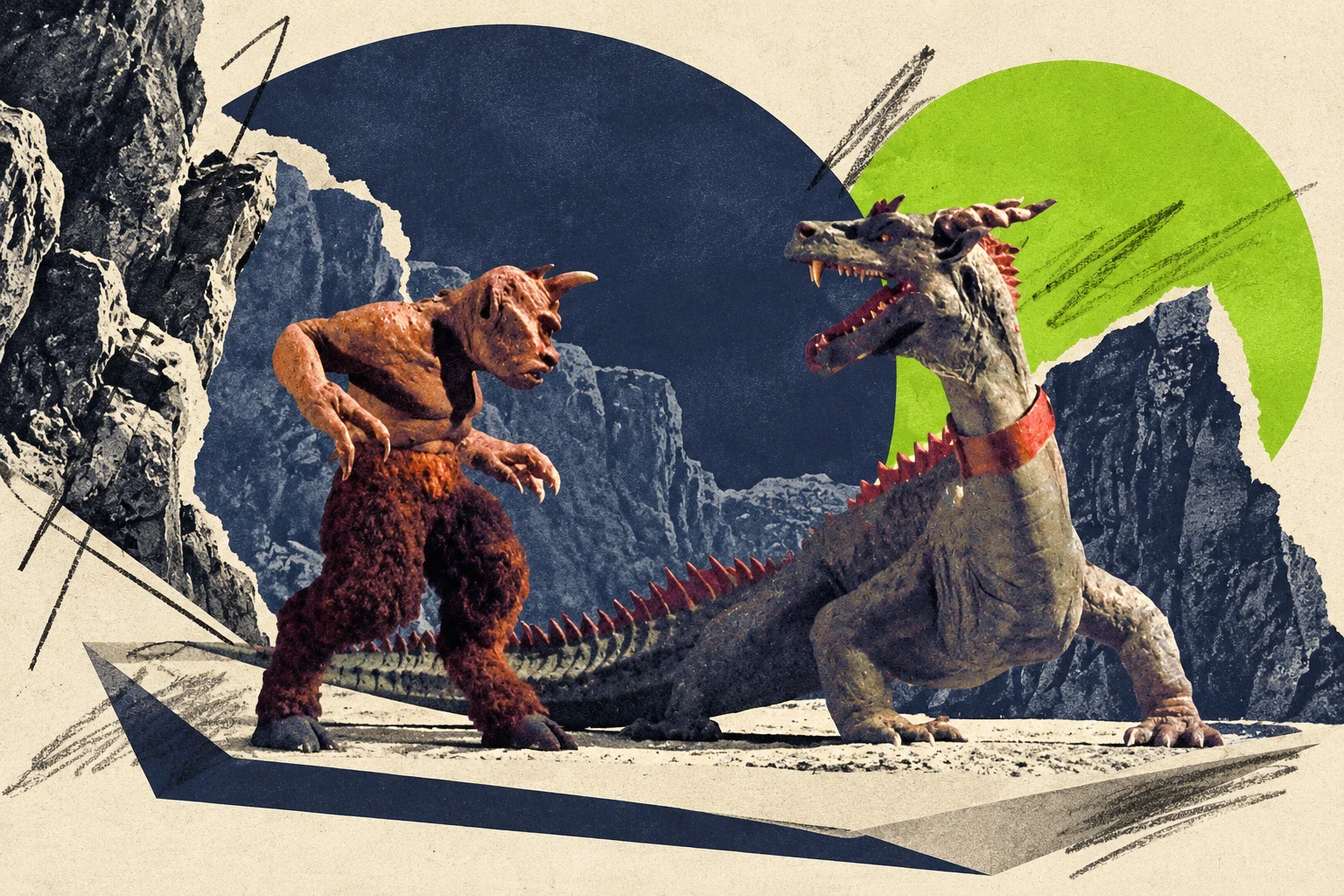
Cyclops: One-eyed giants from Zeus’s forge to Odysseus’s cave — editorial illustration

Cyclops: One-eyed giants from Zeus’s forge to Odysseus’s cave

A single eye does not give every Cyclops the same job. Hesiod's Cyclopes make Zeus's thunderbolt. Homer's Polyphemus keeps sheep and traps visitors in his cave. Other traditions credit Cyclopes with walls…

The Crommyonian Sow: Theseus and the beast called Phaea — editorial illustration

The Crommyonian Sow: Theseus and the beast called Phaea

Before Theseus reaches the Minotaur, he makes the road to Athens dangerous for some of its most dangerous inhabitants. One of his encounters is with the Crommyonian Sow, a formidable animal called Phaea.…

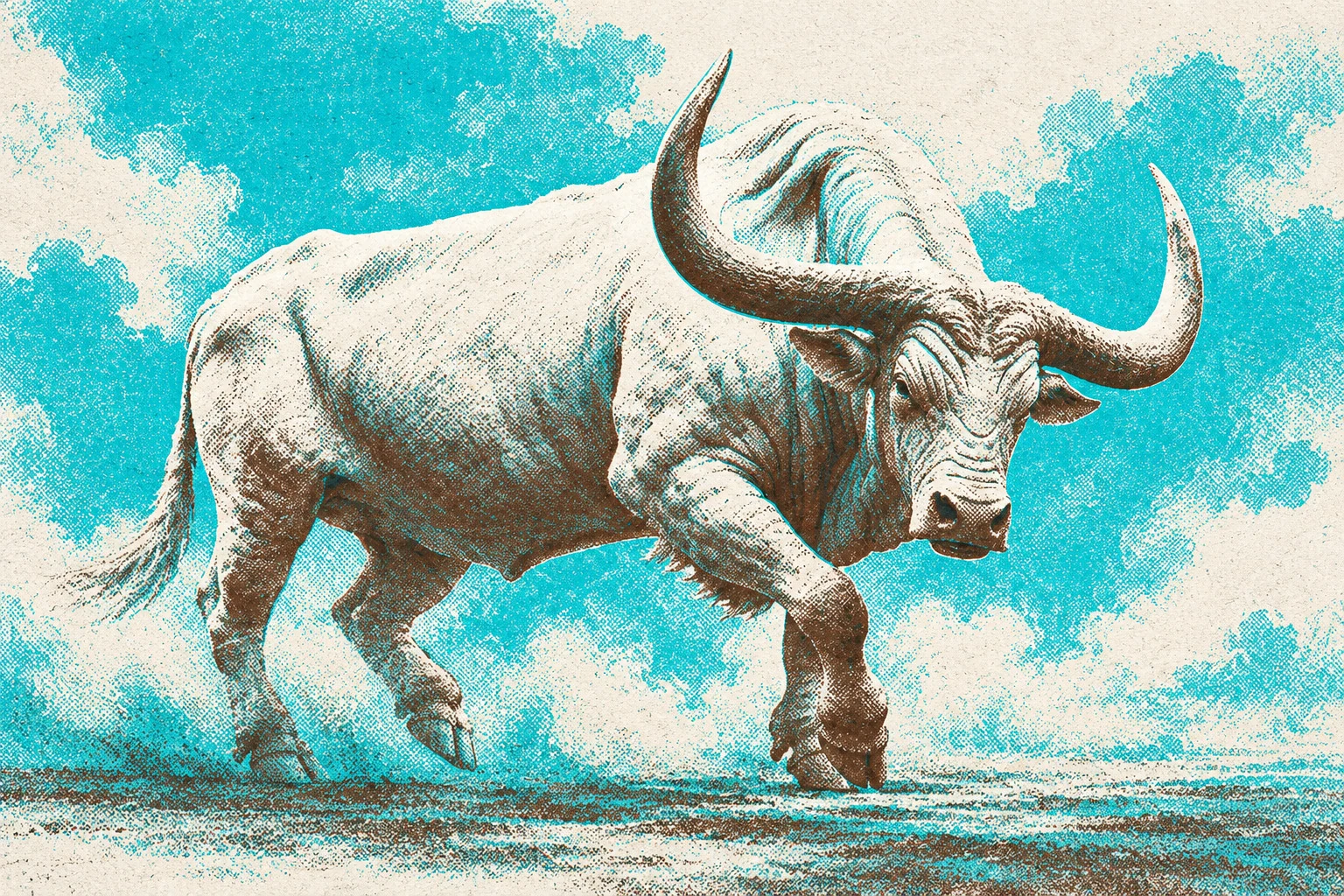
The Cretan Bull: Poseidon, Heracles and the road to Marathon — editorial illustration

The Cretan Bull: Poseidon, Heracles and the road to Marathon

Minos asks Poseidon for a sign that he deserves to rule Crete. The god sends a magnificent bull from the sea. Minos gets his kingdom, then keeps the animal he has promised to sacrifice. His substitute…

The Colchian Dragon: Guardian of the Golden Fleece — editorial illustration

The Colchian Dragon: Guardian of the Golden Fleece

The Golden Fleece hangs in a grove of Ares, watched by a serpent that does not sleep. Jason reaches the prize because Medea can do what an ordinary intruder cannot: make its guardian close its eyes. In…

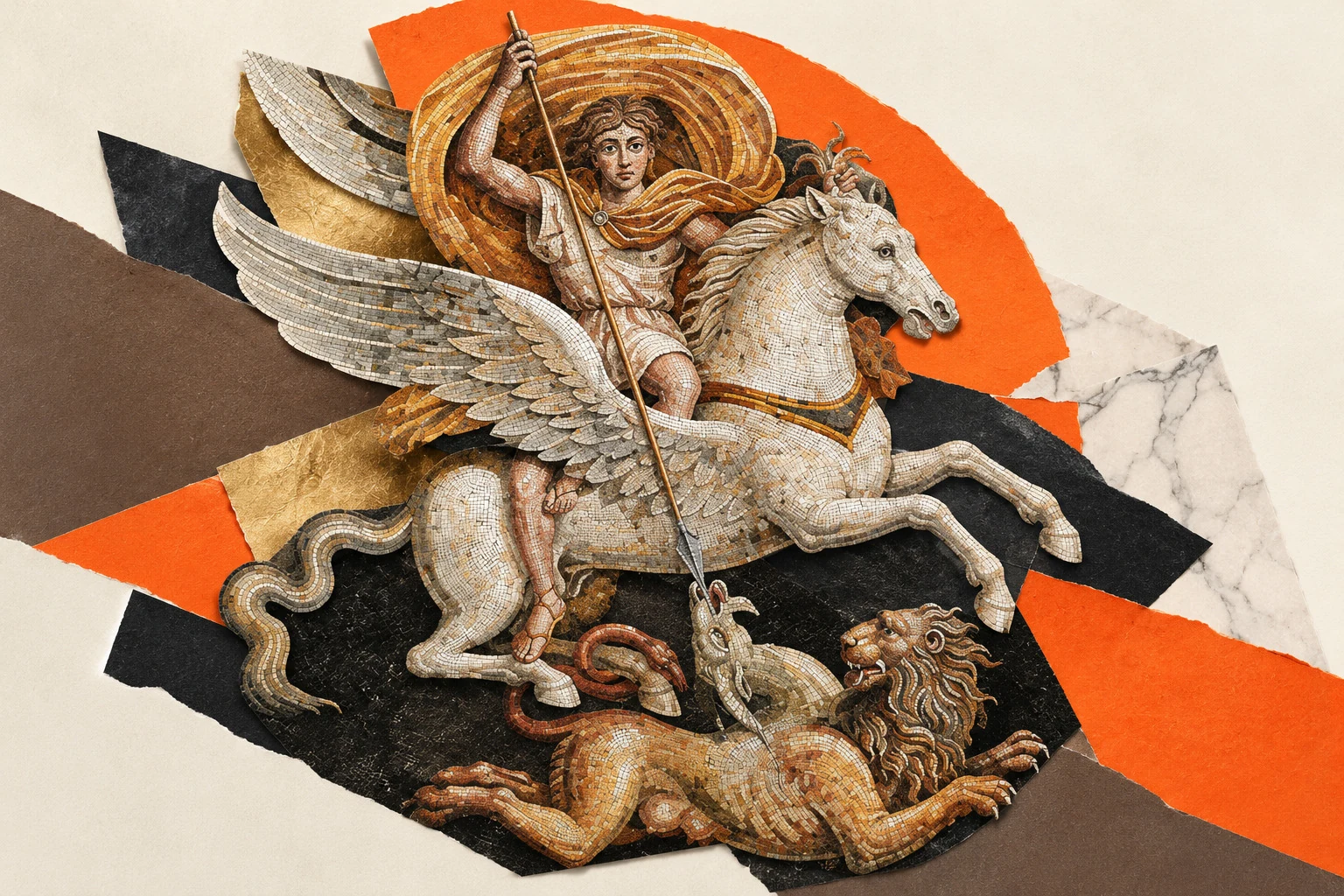
The Chimera: Bellerophon and a fire-breathing monster — editorial illustration

The Chimera: Bellerophon and a fire-breathing monster

A lion at the front, a serpent behind and a goat in the middle: the Chimera combines three animals and adds fire. In the Iliad, Bellerophon is ordered to kill her because the king who sends him expects the…

The Ceryneian Hind: Golden horns and a delicate labour — editorial illustration

The Ceryneian Hind: Golden horns and a delicate labour

Heracles's task is to catch the Ceryneian Hind and bring her back alive. That is difficult enough before he considers her owner: Artemis, goddess of the hunt. Killing a sacred deer would turn a successful…

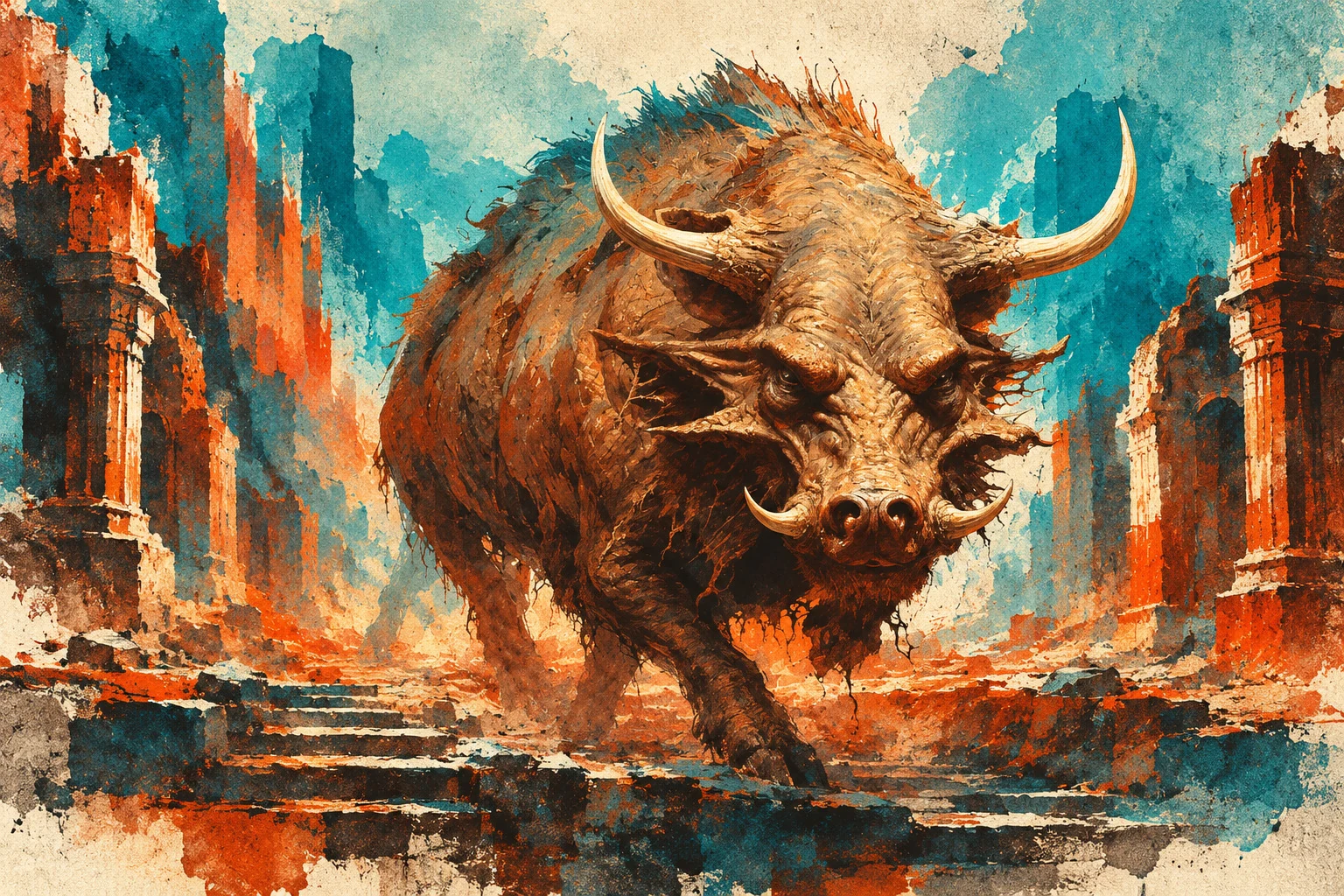
The Calydonian Boar and the heroes who hunted it — editorial illustration

The Calydonian Boar and the heroes who hunted it

Killing the Calydonian Boar ends the destruction of the countryside. It does not end the trouble. The hunters quarrel over the prize, Meleager kills members of his own family, and his mother brings about…

Centaurs in Greek mythology: Chiron, Nessus and the wild herd — editorial illustration

Centaurs in Greek mythology: Chiron, Nessus and the wild herd

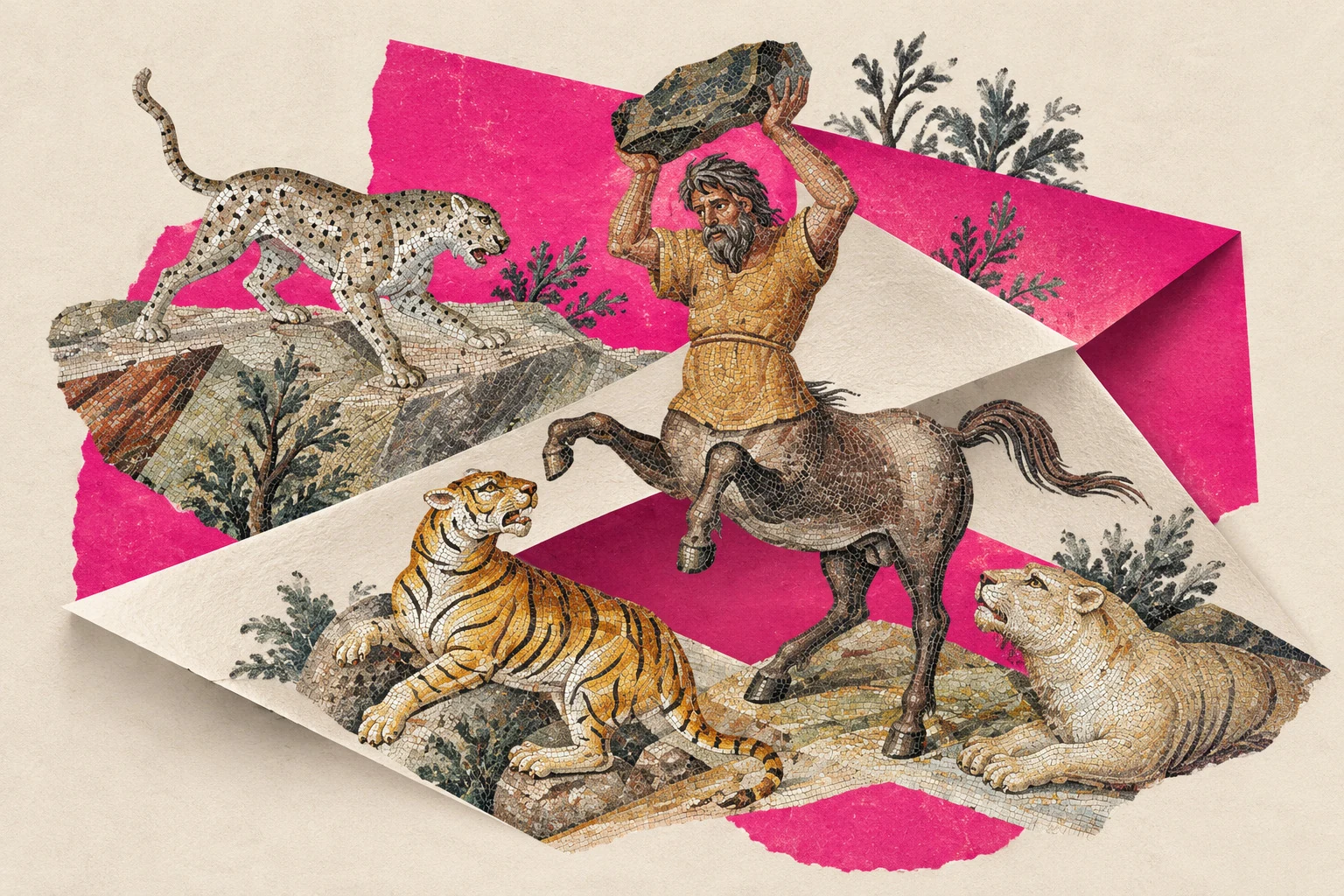
A centaur can be a violent wedding guest, a generous host or a teacher trusted with a hero's childhood. The human-and-horse body is recognisable; the behaviour depends on the individual and the story.…

Are There Male Sirens In Greek Mythology? — editorial illustration

Are There Male Sirens In Greek Mythology?

Sirens are known for the songs that lured sailors to their deaths. Their call is usually associated with female figures, but Greek mythology also has a less familiar counterpart: the male Siren.

Was Septimius Severus a Black Roman Emperor? — editorial illustration

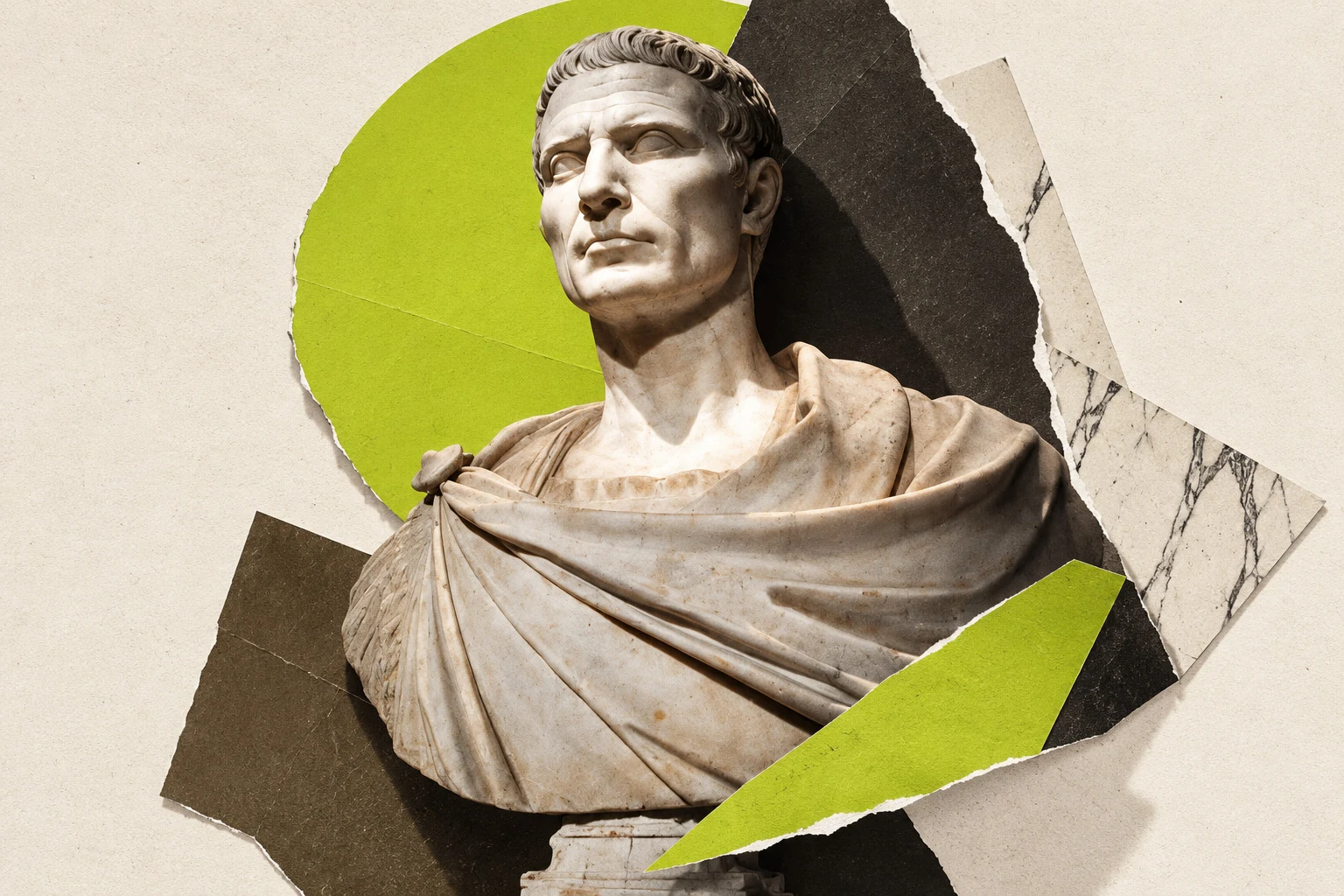
Was Septimius Severus a Black Roman Emperor?

Was Septimius Severus a Black Roman emperor? The Severan dynasty’s founder has prompted a long-running debate about heritage, identity and how modern racial categories apply to ancient Rome.

The Twelve Olympian Gods of the Greek Pantheon — editorial illustration

The Twelve Olympian Gods of the Greek Pantheon

The Twelve Olympians sit at the heart of Greek mythology. From Zeus to Aphrodite, each has a distinct role and stories of their own.

Could Alexander the Great have conquered Rome? — editorial illustration

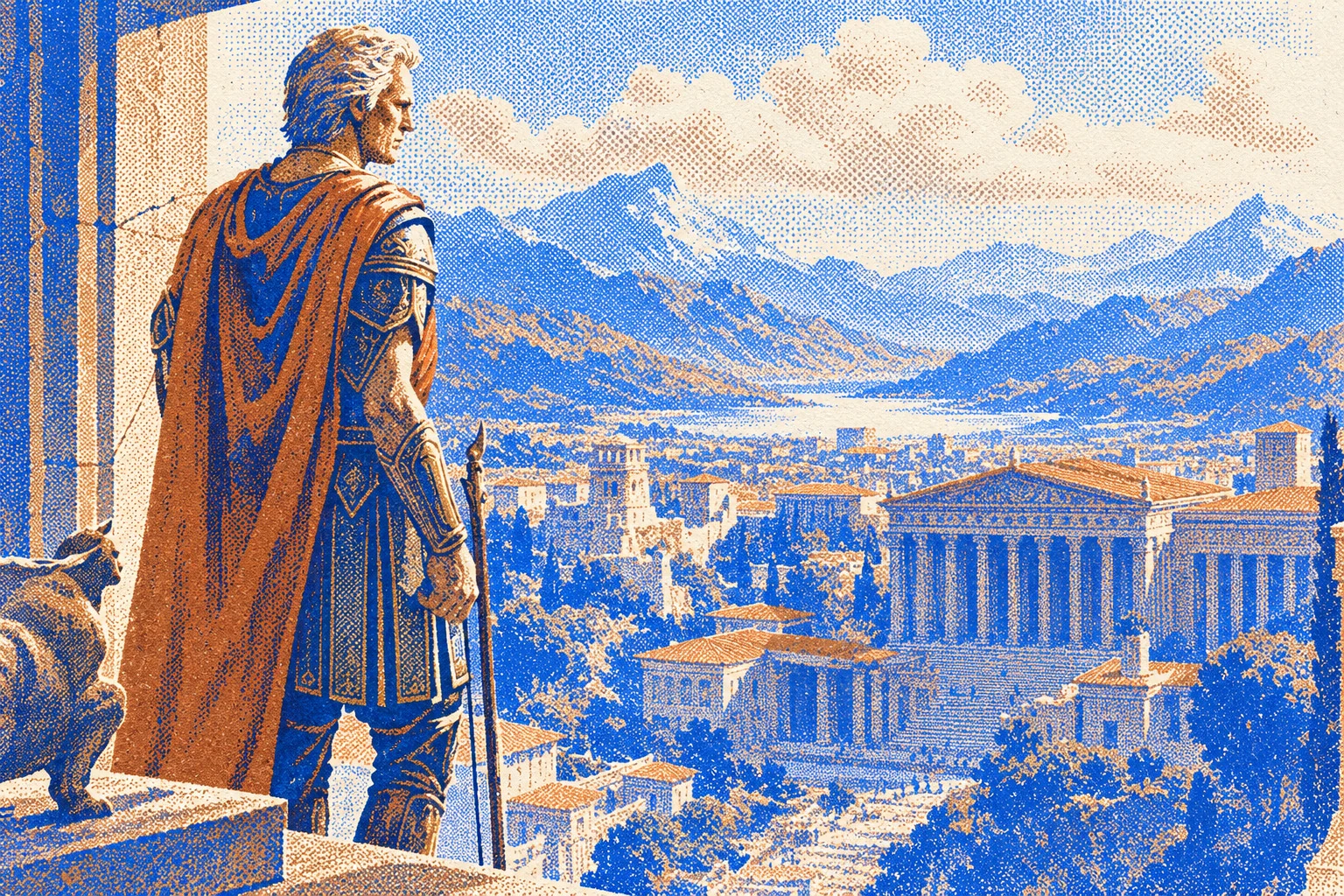
Could Alexander the Great have conquered Rome?

Could Alexander the Great have conquered Rome before it became an empire? Rome was still a rising power when he died, leaving room for a very different encounter from the later battles between Roman and…

Why did Athena curse Medusa? Punishment and protection — editorial illustration

Why did Athena curse Medusa? Punishment and protection

In Ovid’s Roman account, Minerva turns Medusa’s hair into snakes after Neptune assaults her in Minerva’s temple. Other accounts tell the story differently.

Seleucus I Nicator: The rise of the Seleucid Empire — editorial illustration

Seleucus I Nicator: The rise of the Seleucid Empire

Seleucus I Nicator combined military skill, political manoeuvring and luck to build a prosperous Near Eastern empire centred on fertile Mesopotamia after Alexander’s death.

Ptolemy I: War, diplomacy and the rise of Ptolemaic Egypt — editorial illustration

Ptolemy I: War, diplomacy and the rise of Ptolemaic Egypt

Ptolemy Soter was one of the most prominent successors of Alexander the Great, known as the Diadochi. His life spanned a time of great upheaval and conflict as the successors of Alexander fought for control…

Vestal Virgins: The women who kept Rome’s sacred fire — editorial illustration

Vestal Virgins: The women who kept Rome’s sacred fire

Rome’s Vestal Virgins held extraordinary powers: they could vote, buy land, free slaves and even pardon condemned prisoners, alongside their duties at Vesta’s temple.

The History Hogs newsletter

Get historical stories and new articles in your inbox.